
Last updated November 24, 2026
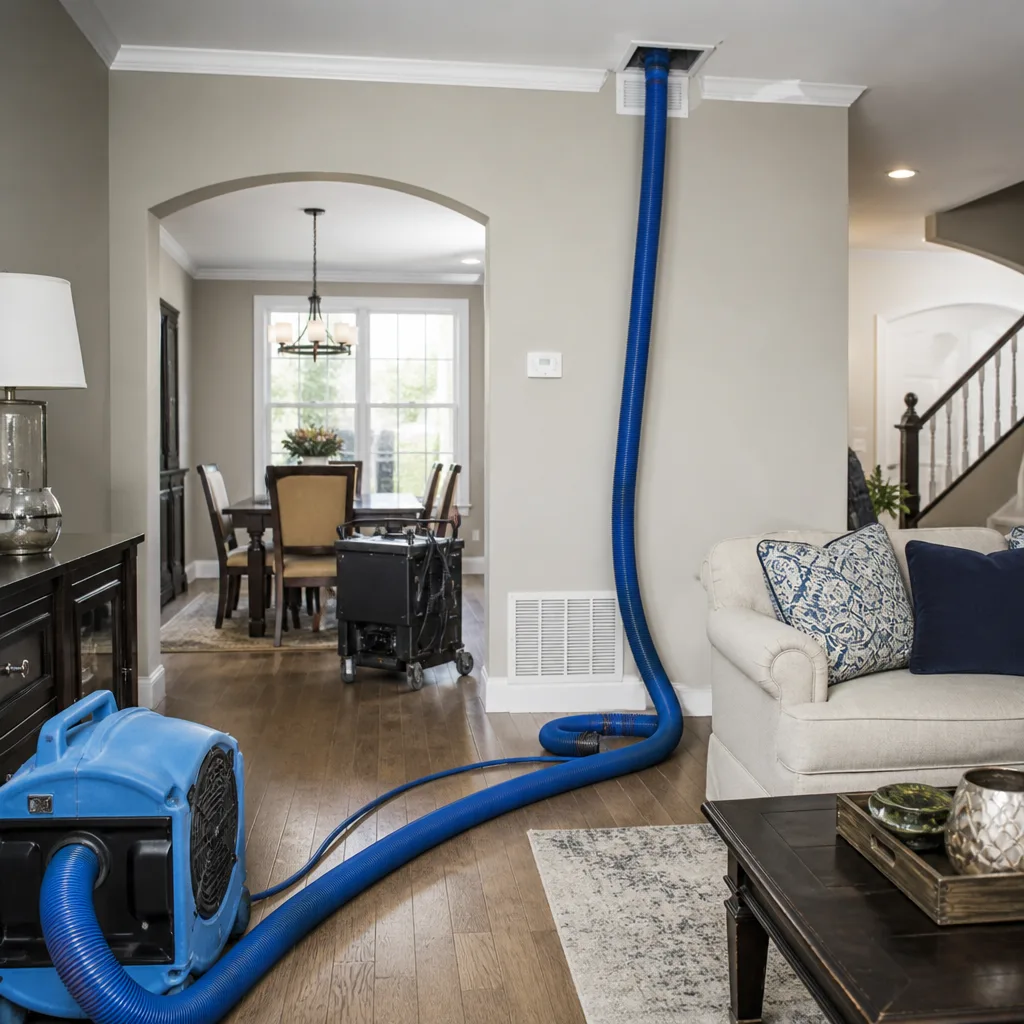 Whole-home duct cleaning
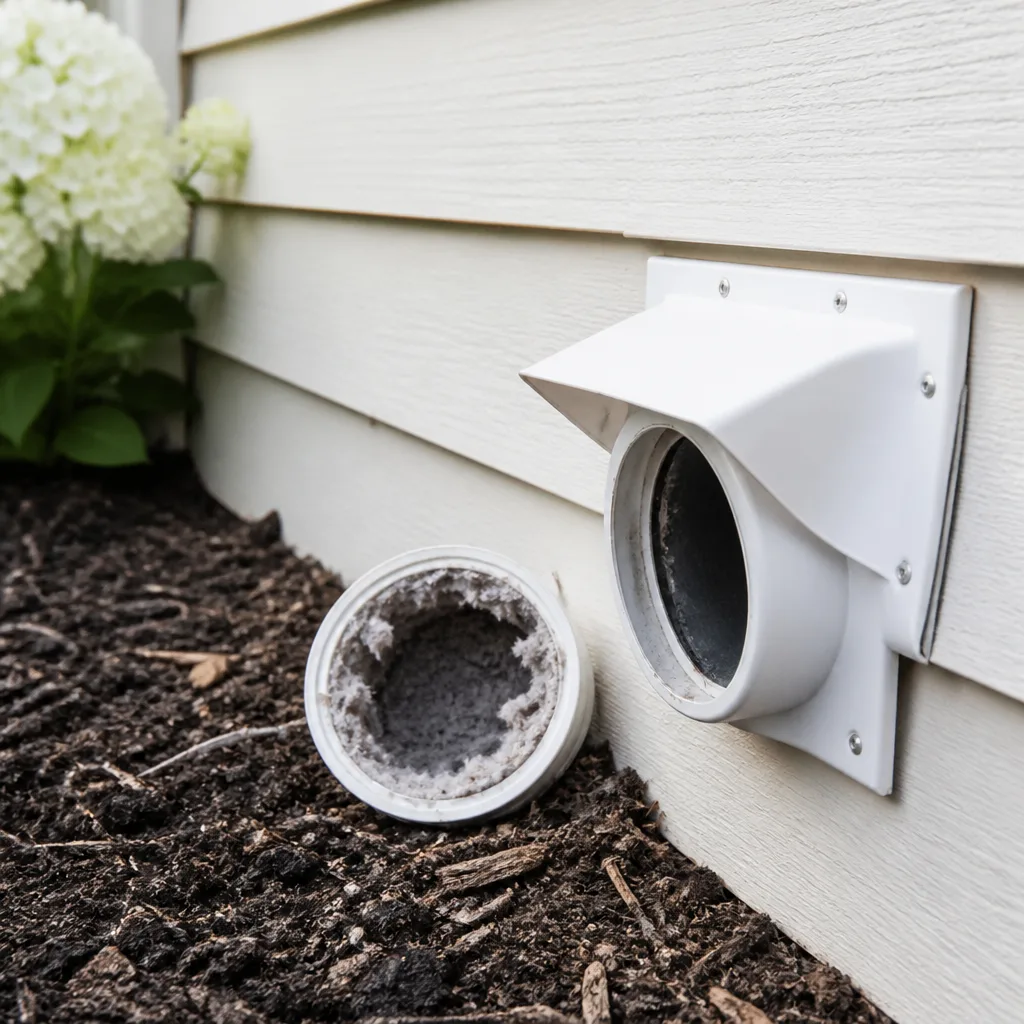 Dryer vent cleaning
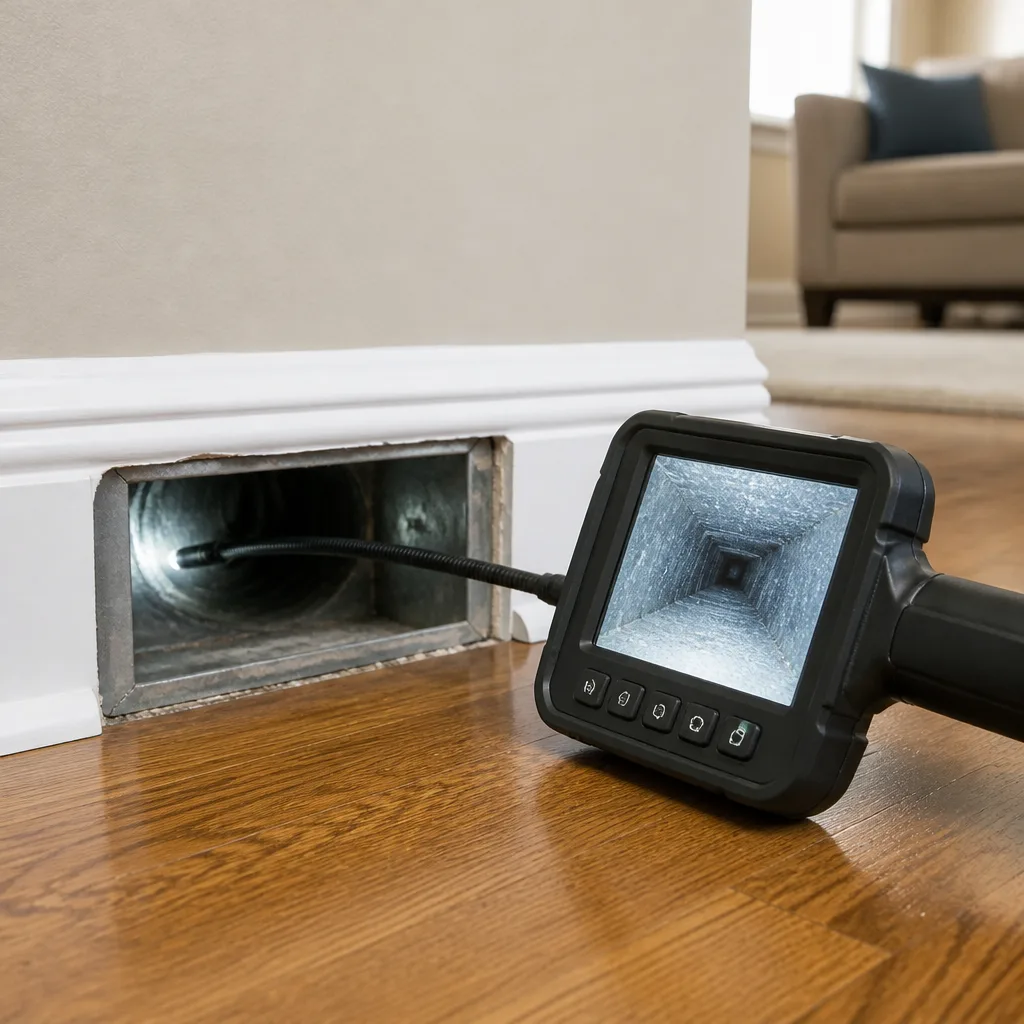 Camera inspection
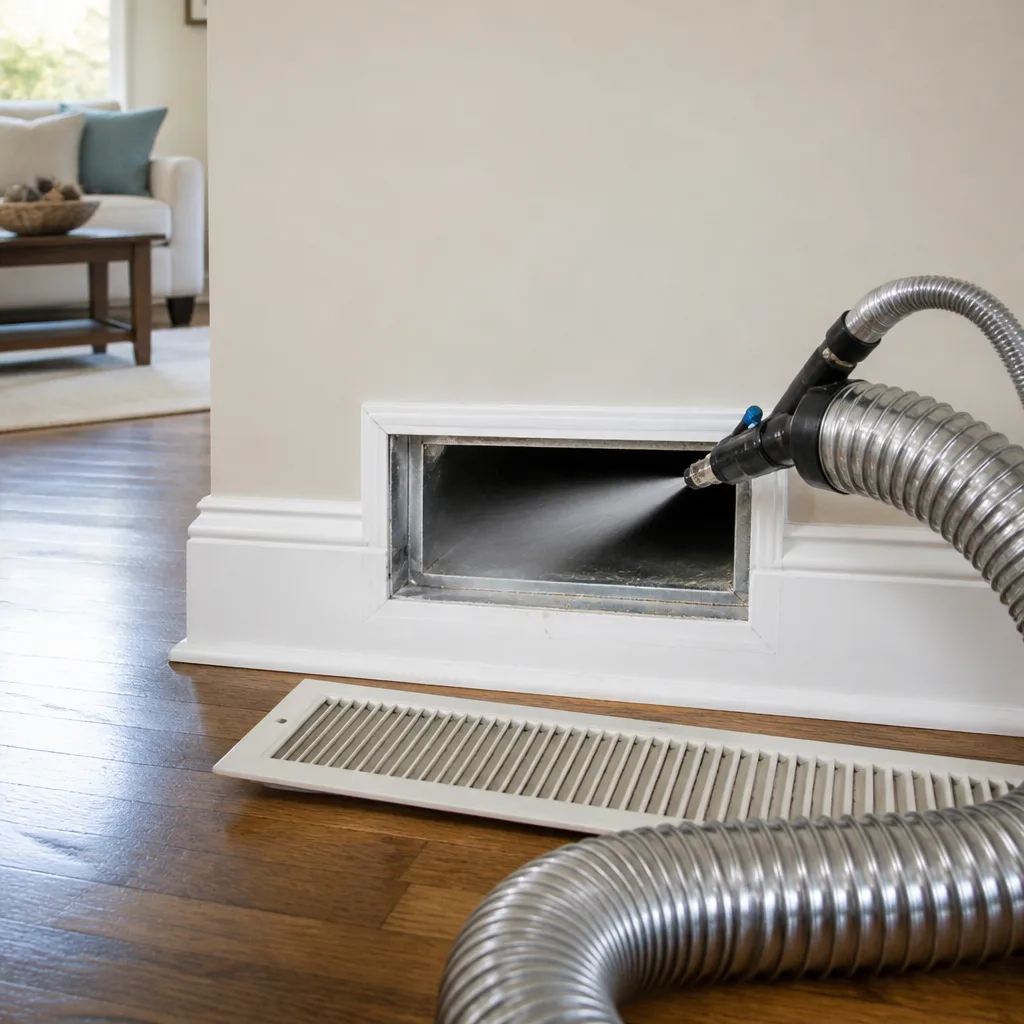 Sanitizing & deodorizing
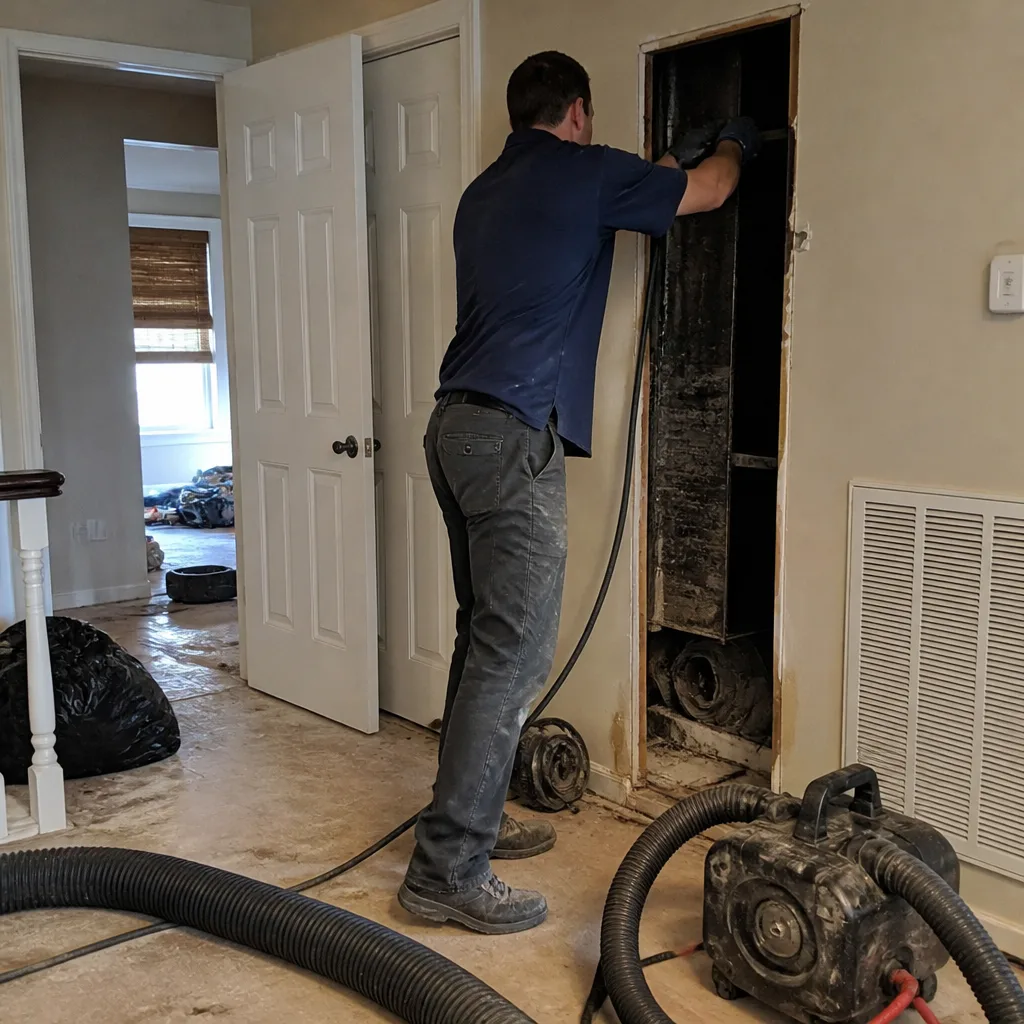
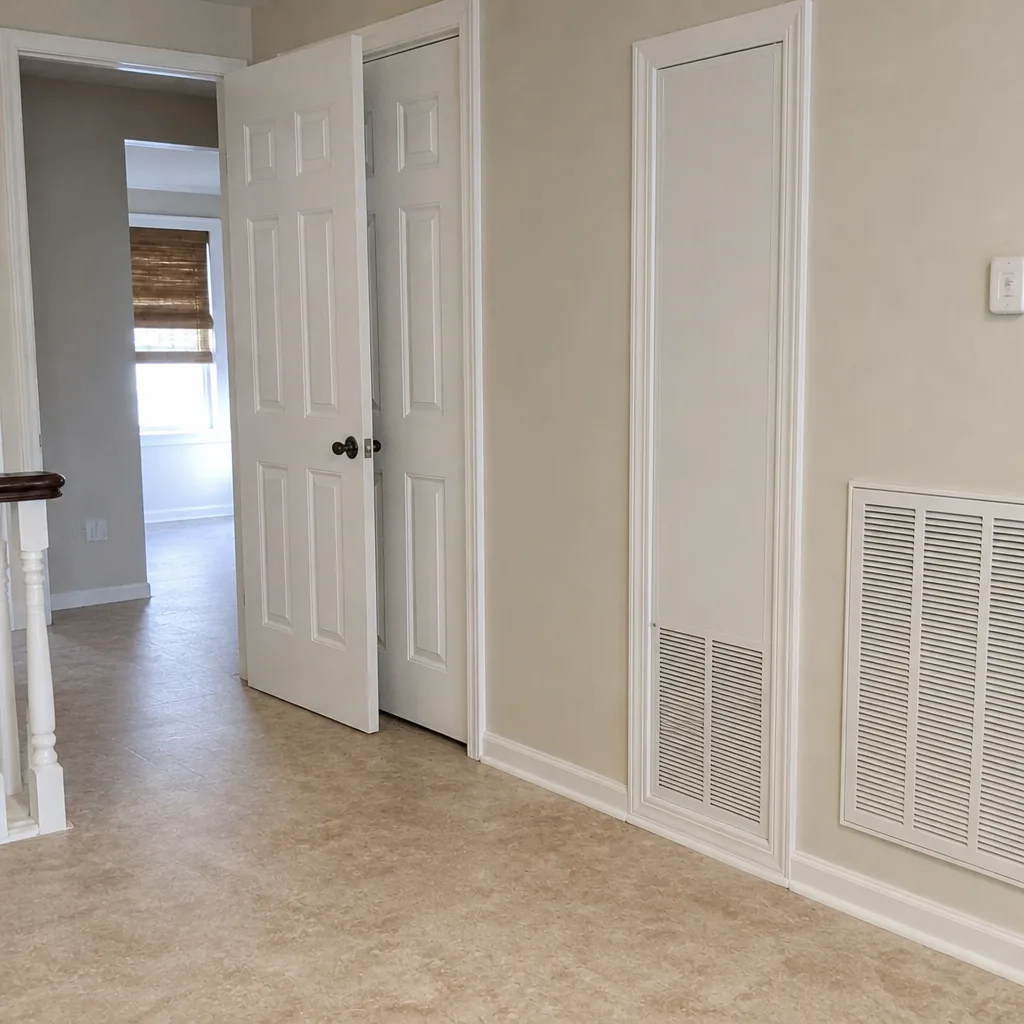
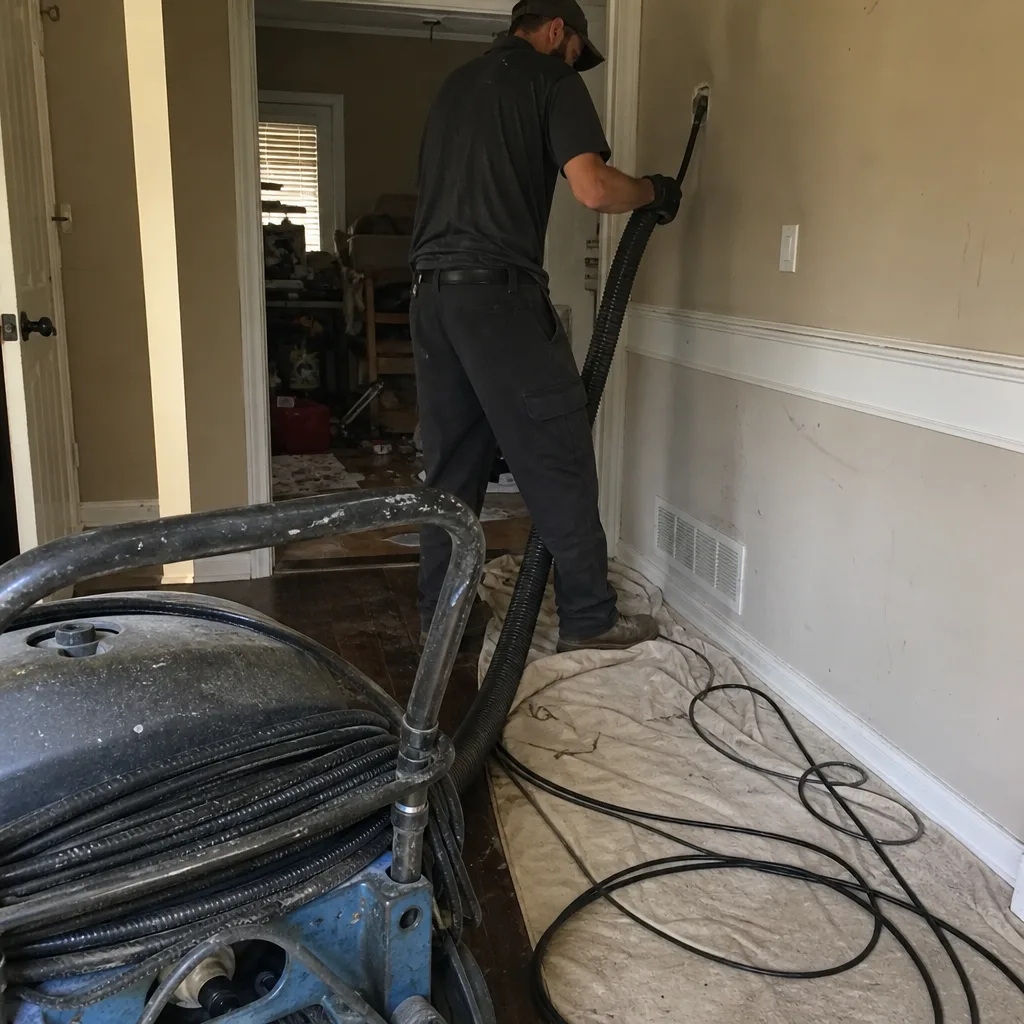
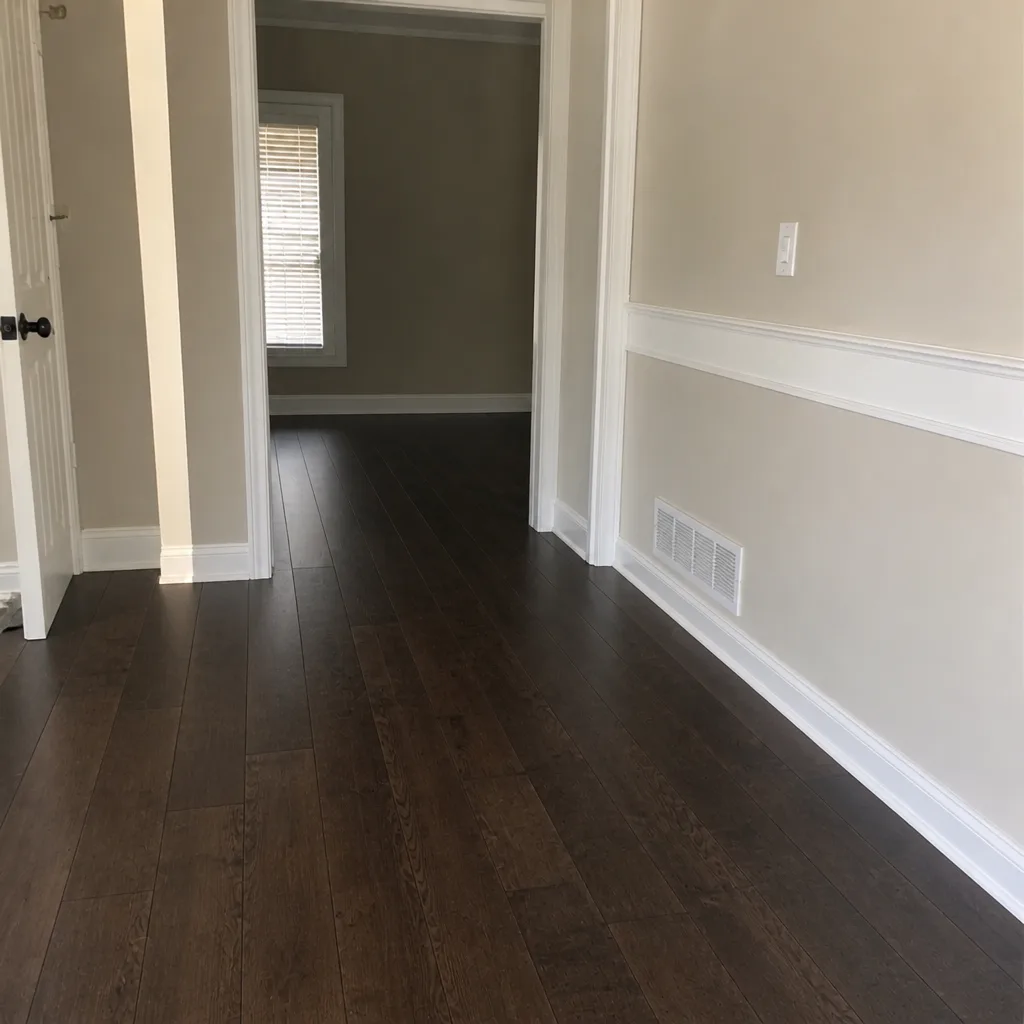
Whole-system duct and dryer vent check with before-and-after photos - you see exactly what came out of your vents
That "$99 whole-house special" is a bait ad - the real number appears once they are in your hallway, or the "clean" is a shop-vac at the register. We photograph the inside of your ducts before and after instead.
Air Duct Cleaning Maintenance Checklist for SouthPark Homeowners
A checklist that says every homeowner should clean their ducts every three to five years is ignoring something obvious. A SouthPark home with two dogs, a 1990s flex duct system, and a homeowner who runs the fan continuously needs a completely different maintenance rhythm than a newly built townhouse with a media filter and no pets. The variables driving your duct condition are specific to your house, not to a generic calendar. This guide gives you a framework organized around those variables: what to inspect monthly, quarterly, and annually on your own, how to document duct condition so trends become visible, which measurable red flags mean schedule service now, and how to fold duct maintenance into your HVAC tune-up visits so the two services actually inform each other.
Styles & brands we work with
- Whole-home duct cleaning
- Dryer vent cleaning
- Camera inspection
- Sanitizing & deodorizing
Quick Answer
There is no fixed interval for air duct cleaning. In SouthPark, a home with pets, recent renovations, allergy sufferers, or older flex ducting usually needs professional cleaning every two to four years, while a newer home with a media filter and no pets can often stretch to every five to seven years. Between those cleanings, monthly filter checks, quarterly register inspections, and annual photo documentation are what actually protect your air quality and your HVAC system.
Table of Contents
- What Actually Changes Your Duct Cleaning Interval
- Monthly Tasks You Can Do Yourself
- Quarterly Inspection Checklist
- Annual Documentation and Professional Assessment
- Red-Line Conditions: When to Schedule Service Now
- Coordinating Duct Maintenance with HVAC Tune-Ups
- How Duct Material Age Changes the Equation
- Common Mistakes to Avoid
- When to Call a Professional
- Frequently Asked Questions
What Actually Changes Your Duct Cleaning Interval
Duct contamination is not linear with time. It accumulates based on what gets drawn into the return side and how well the system filters it before it travels through the supply trunk. In SouthPark, where homes range from older ranch-style properties with original sheet metal to newer builds with engineered flex runs, the variables stack differently house to house.
These factors shorten the interval:
- Pets in the home. Dander and hair load the return filter faster and coat duct walls with a fine film that traps other particles.
- Recent renovation or construction dust. Drywall dust migrates into return grilles during any interior work. If your home has been renovated, schedule cleaning after the final paint, not before.
- Occupant allergies or asthma. When someone in the household reacts to airborne particles, the tolerance for accumulated debris drops sharply.
- Older flex duct or unsealed ductwork. Leaky joints pull attic and crawlspace air into the system, bringing along whatever is in that space.
- Continuous fan operation. Running the blower around the clock circulates more air and moves more debris through the system per day.
- Wood-burning fireplace or high cooking smoke. Combustion particles settle in the return side and are hard to remove without professional equipment.
These factors extend it: a media filter or high-MERV filtration setup, no pets, no recent renovations, and a sealed, well-maintained duct system. A SouthPark townhome meeting all four can comfortably go longer between professional cleanings, but only if the filter is changed on schedule and registers stay clean.
Monthly Tasks You Can Do Yourself
These tasks take fifteen minutes and catch most developing problems before they cost you anything.
- Check the filter. Hold it up to light. If you can’t see through it, replace it. In a pet home, monthly replacement is realistic. With a media filter, check the pressure drop indicator if your system has one.
- Look at the return grille. Remove it and inspect the visible duct interior with a flashlight. A light dust film is normal. A visible mat of debris or dark streaking is not.
- Wipe a supply register. Run a white cloth along the inside of the register face. Heavy gray residue means the supply side is carrying material worth investigating.
- Smell the air near a register. A musty or dusty smell at startup that fades after minutes is normal. A persistent odor is not.
- Listen at the return. Whistling or a rattle at the return grille often signals a partially blocked or collapsing duct.
None of this requires a contractor. It’s the same baseline inspection any professional does on arrival, and doing it monthly means you’ll notice change rather than guessing.
Quarterly Inspection Checklist
Every three months, go deeper. This is where you catch things that move from monitor to action.
- Inspect every accessible register. All supply registers in the home, plus all return grilles. Check for debris accumulation, loose screws, and gaps at the flange.
- Check duct connections at the air handler. Look for separated flex duct, torn insulation, or tape that has lost adhesion. Loose connections pull in attic or crawlspace air with everything suspended in it.
- Examine the condensate drain area. Standing moisture near the air handler promotes biological growth that migrates into the ductwork. If the drain pan holds water, address that first.
- Inspect the dryer vent exterior. Confirm the exterior flap opens and closes freely and that no lint is visibly collecting at the termination. Dryer vent cleaning belongs on the same maintenance calendar as duct cleaning; both are part of the same air-delivery system in your home.
- Test airflow at the farthest register. Hold a tissue at the register face. Weak flow compared to other registers suggests a partial blockage or a duct issue worth a professional look.
SouthPark homes with finished basements often hide flexible ductwork behind soffits and cavity walls. If you can’t see a run at all, note it and ask about access points during your next professional visit. A professional using contractor-grade equipment can often reach runs you can’t, but the access question should be answered before anyone arrives.
Annual Documentation and Professional Assessment
Photos at fixed access points turn a subjective “it feels dirty” into a measurable record. Take the same five or six photos every year from the same position, and you’ll see whether contamination is stable, accumulating slowly, or accelerating after a renovation or a change in pets.
- Photograph the return grille interior. Flash, close-up, same angle each year.
- Photograph the supply plenum and air handler cabinet. Note visible filters, insulation condition, and any streaking.
- Photograph each accessible register face. Keep the same framing.
- Note the filter type and MERV rating. If you’ve upgraded from a basic fiberglass filter to a media filter, note the date. That upgrade may legitimately extend your interval.
- Log any HVAC service calls. What was inspected, what was found. A tune-up that turns up dirty evaporator coils tells you the air-delivery system is carrying moisture and debris together, which is a red flag.
Once a year, have the system assessed by a professional who can inspect beyond the visible register. At that visit, a full-system inspection covers more than the ducts: the HVAC cleaning portion of the visit addresses the air handler, coils, and blower, which is where contamination accumulates first and where duct cleaning alone won’t reach.
Red-Line Conditions: When to Schedule Service Now
These are measurable and specific. If any one of these is true, schedule a professional assessment without waiting for your regular interval.
- Visible debris mat inside any register or duct. Not dust film; an actual accumulation you can see and hold.
- Persistent musty odor when the system runs. Not the first minute; every time the blower starts, day after day.
- Post-renovation dust still visible in return trunks weeks after the work finished. Drywall dust in a duct system stays there. It doesn’t settle out through normal operation.
- Airflow drop at multiple registers. If two or more registers show noticeably weaker flow than they did three months ago, a blockage or duct failure is possible.
- Separation or collapse of flex duct at the air handler or in accessible runs. This is a repair condition, not just a cleaning condition.
- New allergy or respiratory symptoms in the household after a move-in, renovation, or pet addition. These correlate with duct contamination in some homes and are a reasonable trigger for inspection.
- Rodent or pest activity in ductwork. That changes the standard of work to remediation-level. Insist on a provider using containment and filtration equipment during the process, not just a shop-vac and a brush.
We use Abatement Technologies filtration equipment during the cleaning process, which maintains containment while debris is being removed. That matters most in the red-line cases above, where contamination has moved past routine accumulation.
Coordinating Duct Maintenance with HVAC Tune-Ups
Duct cleaning and HVAC cleaning overlap, and they’re often sold as if they don’t. In practice, timing them together saves duplicated labor and gives the technician a complete picture.
Here’s how to sequence it:
- Book the HVAC tune-up first. During tune-up, the technician looks at the evaporator coil, blower wheel, and filter configuration. If the coil is fouled or the blower wheel is loaded with dust, that information changes the duct cleaning scope.
- Have duct cleaning done after the tune-up identifies issues, not before. Cleaning ducts when the air handler is still carrying contamination into the supply side means it will re-foul faster.
- Coordinate the two services when possible. A single provider handling both means the same access points are opened once, the containment is set up once, and the technician who cleaned the ducts is the same one who assessed the coils. It’s one visit instead of two, with one coherent recommendation at the end.
- Address duct repair and sealing during the same visit. Leaky joints defeat the point of cleaning. A sealed system holds its cleanliness longer and stops drawing attic air into your supply side.
- Use the visit to update your filter strategy. If the tune-up reveals a high dust load, that’s the moment to consider a media filter. Honeywell and Aprilaire indoor air quality products integrate with most residential systems and are designed to be serviced alongside the HVAC equipment.
That coordination is the reason Air Duct Cleaning SouthPark handles all five services in one scope: duct cleaning, dryer vent cleaning, HVAC cleaning, air quality and sanitizing, and duct repair and sealing. One specialist, every component, one set of photos for your file.
How Duct Material Age Changes the Equation
The physical duct system in your SouthPark home drives the maintenance interval as much as your household habits do.
Sheet metal ductwork is durable and cleanable, but unsealed joints leak. Homes from the 1960s through the 1980s often have sheet metal trunks with questionable sealing at every joint. These systems benefit from duct sealing alongside cleaning.
Flexible duct has a corrugated inner liner that traps debris on its ridges. It’s cleanable but less so than sheet metal, and it loses cleanliness faster. Flex duct installed in the 1990s is often collapsed, sagging, or separated at connections. It tends to need professional attention more often, and repair as often as cleaning.
Ductboard is the most difficult to clean thoroughly, and its interior surface can degrade after repeated moisture exposure. If you have ductboard in a SouthPark home, professional assessment of its condition matters as much as cleaning frequency.
Whatever material you have, the interval should reflect its condition, not a number from a blog. Our technicians have up to 10 years of experience assessing duct condition, and we can tell you during a visit whether cleaning alone is the right answer or whether repair and sealing needs to happen first.
Building Your SouthPark Maintenance Schedule
Here’s a practical way to turn the variables into a calendar for your specific SouthPark home.
- High-variable home (pets, allergies, older flex duct, continuous fan): monthly filter, quarterly inspection, annual professional assessment, professional cleaning every two to four years.
- Moderate home (one pet or one variable, sheet metal ducts, standard filter): monthly filter, quarterly inspection, annual professional assessment, professional cleaning every three to five years.
- Low-variable home (media filter, no pets, sealed ducts, newer construction): quarterly filter, semiannual inspection, professional assessment every other year, cleaning every five to seven years.
SouthPark’s climate matters here. Warm, humid summers mean the air handler runs long and hard from May through September, pulling more air through the filter and the ducts than in cooler months. The system stays wet on the coil side for months at a time, which is why moisture-related growth is a genuine concern in this part of North Carolina. Airflow and filter discipline matter more in July than they do in January.
For SouthPark homeowners who are also managing a dryer vent, the schedule matters for safety, not just air quality. Lint accumulation in a dryer vent is a fire risk, so the quarterly check on the exterior flap isn’t optional. dryer vent cleaning belongs on the same interval as your duct maintenance when the vent run is long or the dryer runs daily.
Common Mistakes to Avoid
- Following a “clean every 3-5 years” rule regardless of household conditions. A pet home in SouthPark with original ductwork can accumulate more debris in two years than a filtered, pet-free home does in seven. The interval is a variable, not a fixed number.
- Skipping duct repair and going straight to cleaning. Leaky joints re-contaminate a clean system within months. If the ducts leak, fix that first or the cleaning won’t hold.
- Relying on a basic fiberglass filter when a media filter is a better fit. Fiberglass filters catch large particles only. A media filter, or a system with a Honeywell or Aprilaire filter, changes what reaches the ducts in the first place.
- Assuming visible dust at the register means the whole system is contaminated. Register dust can be ambient dust settling on the outside of the grille. Visible debris inside the duct, or the return side, is a different signal.
- Getting duct cleaning done immediately after a renovation without confirming the work includes the return side and that construction debris isn’t still being fine-dusted by ongoing work. Sequence matters. Cleaning after the last sanding, not before.
- Treating duct cleaning, dryer vent cleaning, and HVAC cleaning as separate jobs from separate providers. Each provider opens the system, sets up containment, and checks the same access points. Doing them together saves labor and produces a single service record.
- Skipping photo documentation. Without a record, you can’t tell whether your ducts are stable or deteriorating, and you can’t show a professional what changed.
When to Call a Professional
If any of the red-line conditions above are present, call. But there are quieter reasons too. If your HVAC tune-up turns up dirty evaporator coils, that’s a sign the dust load in the system is higher than your filter and routine are handling. If you’re moving into a SouthPark home with unknown duct history, a professional assessment establishes a baseline you can document from. If a household member’s allergies worsened after a renovation or a new pet, the duct system is a reasonable place to look. And if you can’t tell from the visible register whether your ducts are fine or fouled, a professional inspection answers the question in under an hour.
Air Duct Cleaning SouthPark offers free estimates in SouthPark. Call (833) 468-3043. We answer 24/7. Fast dispatch from 7am to 7pm, Sunday through Friday.
Frequently Asked Questions
There’s no fixed answer. Most SouthPark homes fall into a two-to-four-year cycle if they have pets, allergies, or older flex ductwork, and a five-to-seven-year cycle if they have a media filter, no pets, and sealed ducts. The honest answer is that the interval depends on your specific household and duct material, and a professional assessment will give you a more precise number than any general guideline.
Filters capture what passes through them, but the return side, the blower wheel, and the ducts themselves still accumulate material over time. Regular filter changes slow that accumulation, and in a well-maintained, sealed system the interval stretches considerably. But filters don’t remove what has already deposited on duct surfaces, which is why even well-maintained homes eventually need professional cleaning.
Yes, within limits. Visible debris inside a register, a persistent musty smell, or airflow that’s dropped at multiple registers are reasons to schedule a professional visit. Monthly filter and register checks catch most of the developing problems. What you can’t assess on your own is the interior of the return trunk and the condition of hidden flexible runs, which is why the annual professional assessment remains in the schedule.
After. The tune-up reveals the condition of the air handler, evaporator coils, and blower wheel. If those components are fouled, cleaning the ducts first means the system will re-contaminate the clean ducts quickly. Sequencing the tune-up first and cleaning after gives you a cleaner system and a more accurate picture of what’s actually going on.
Cleaning removes accumulated debris from inside the ductwork. Repair and sealing address leaks, separated connections, collapsed flex runs, and unsealed joints that pull attic or crawlspace air into the system. Cleaning a leaky system produces temporary results. Repairing and sealing the leaks is what makes the cleaning hold, and it’s why we offer both as part of the same scope.
Consumer-grade vacuums and brush kits don’t produce the airflow or containment that professional cleaning requires. Our technicians work with Rotobrush and Nikro duct cleaning systems, which are contractor-grade equipment designed for the job, and we use Abatement Technologies filtration equipment to maintain containment during the process. When you consider what’s in an average duct system and how easily it goes airborne in a home, professional equipment is the difference between cleaning and redistributing.
The Bottom Line
Duct cleaning is not a one-size-fits-all calendar item. Build your checklist from your own house: pets, renovations, allergies, duct material, filter type, and how much the system runs through a SouthPark summer. Handle the monthly and quarterly tasks yourself. Take annual photos at the same access points so you can see trends. Move to professional service when a red-line condition shows up, not just when a number of years passes. And when you do schedule service, sequence it after your HVAC tune-up and get duct repair and sealing handled alongside cleaning, so the work you pay for holds. Call (833) 468-3043 for a free estimate. We answer 24/7. Fast dispatch from 7am to 7pm, Sunday through Friday.
Written by the team at Air Duct Cleaning SouthPark.
See the difference
 Before
 After
 Before
 After
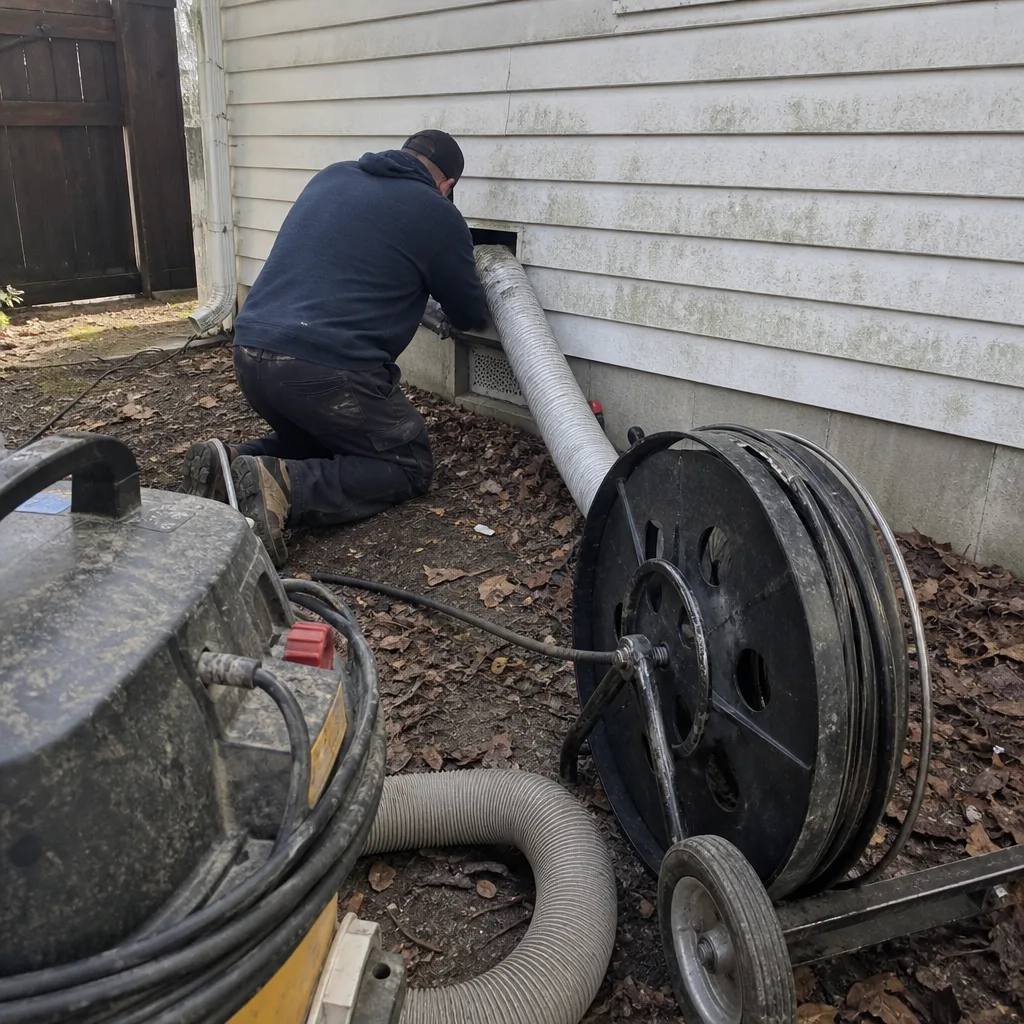 Before
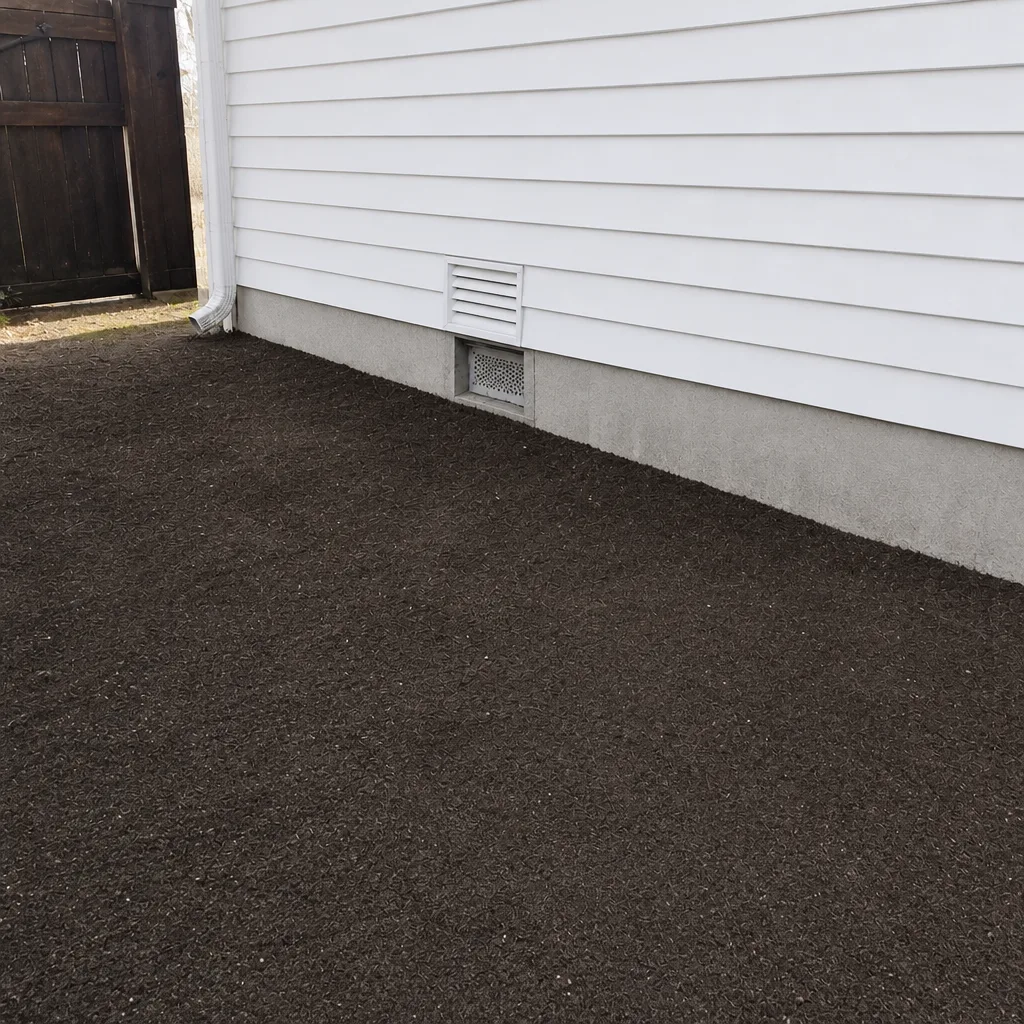 After