
Last updated November 24, 2026
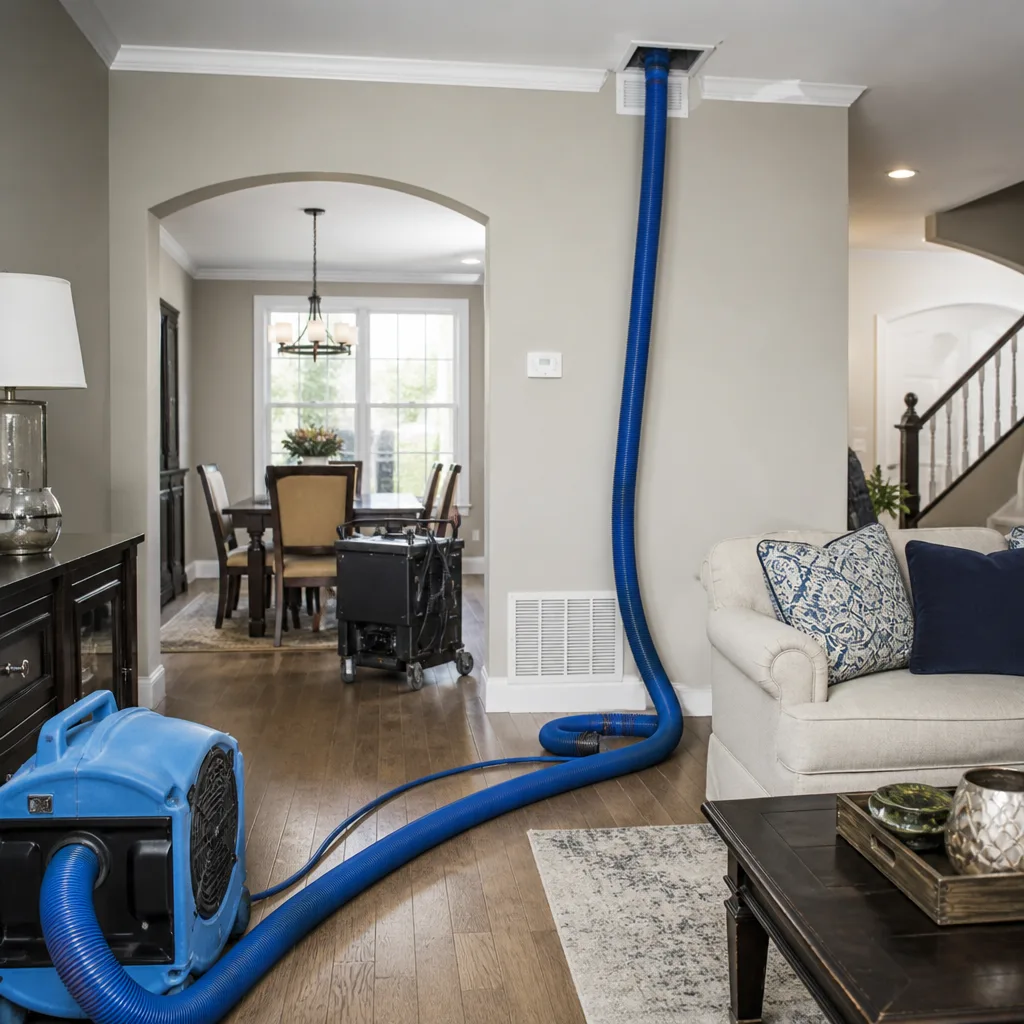 Whole-home duct cleaning
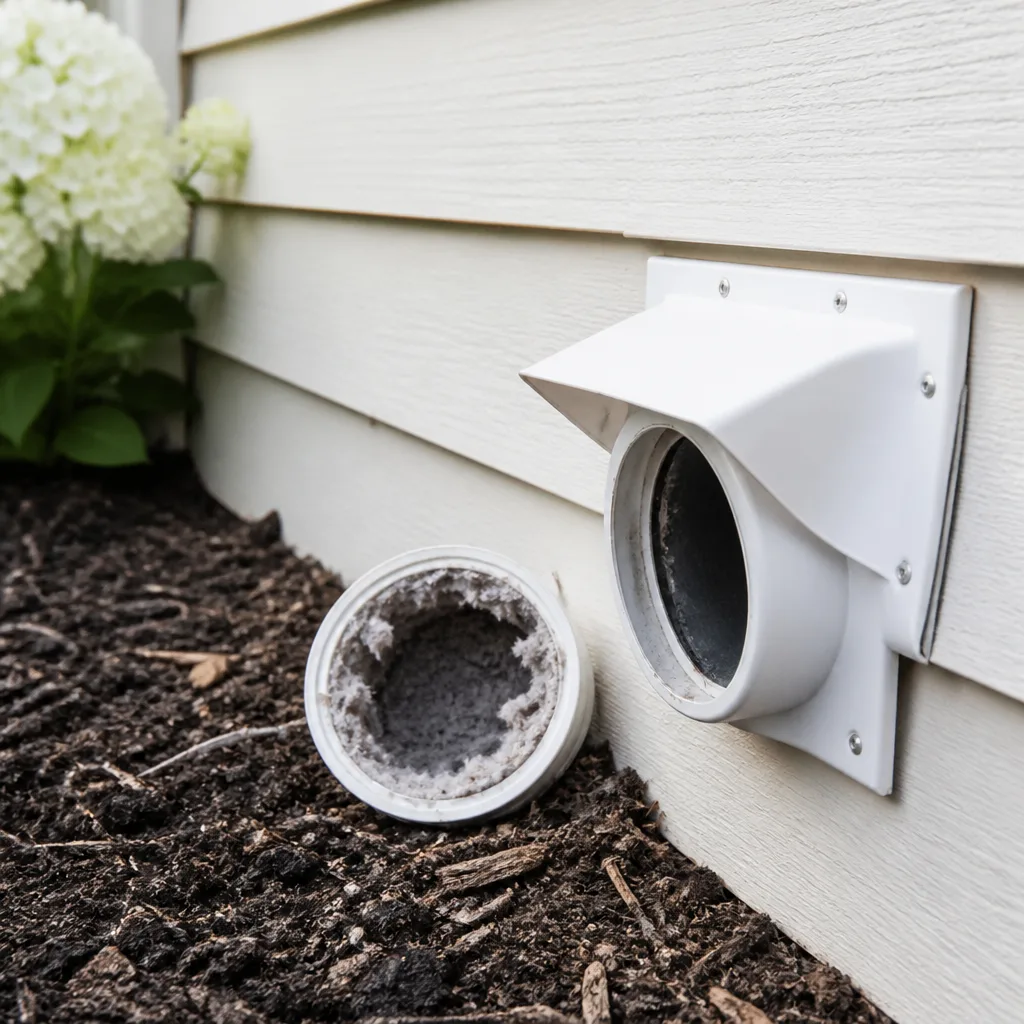 Dryer vent cleaning
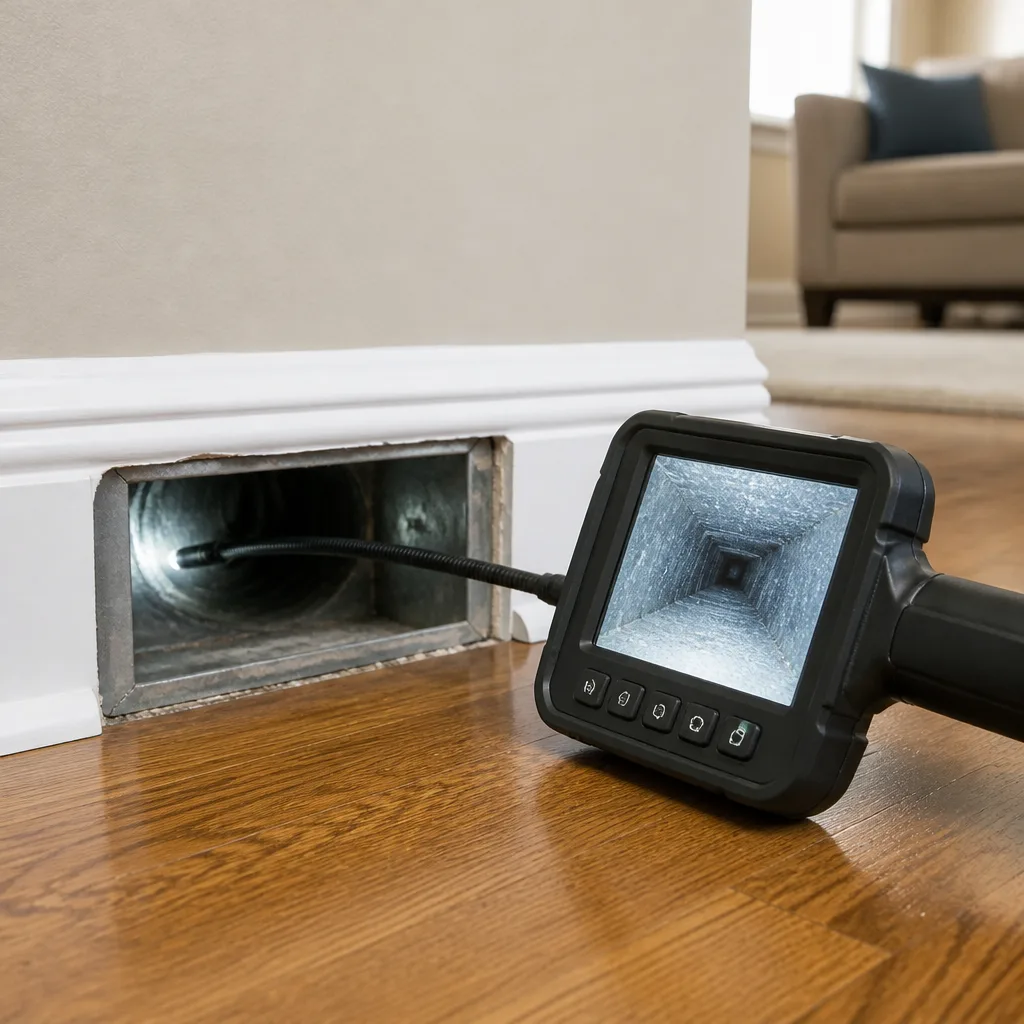 Camera inspection
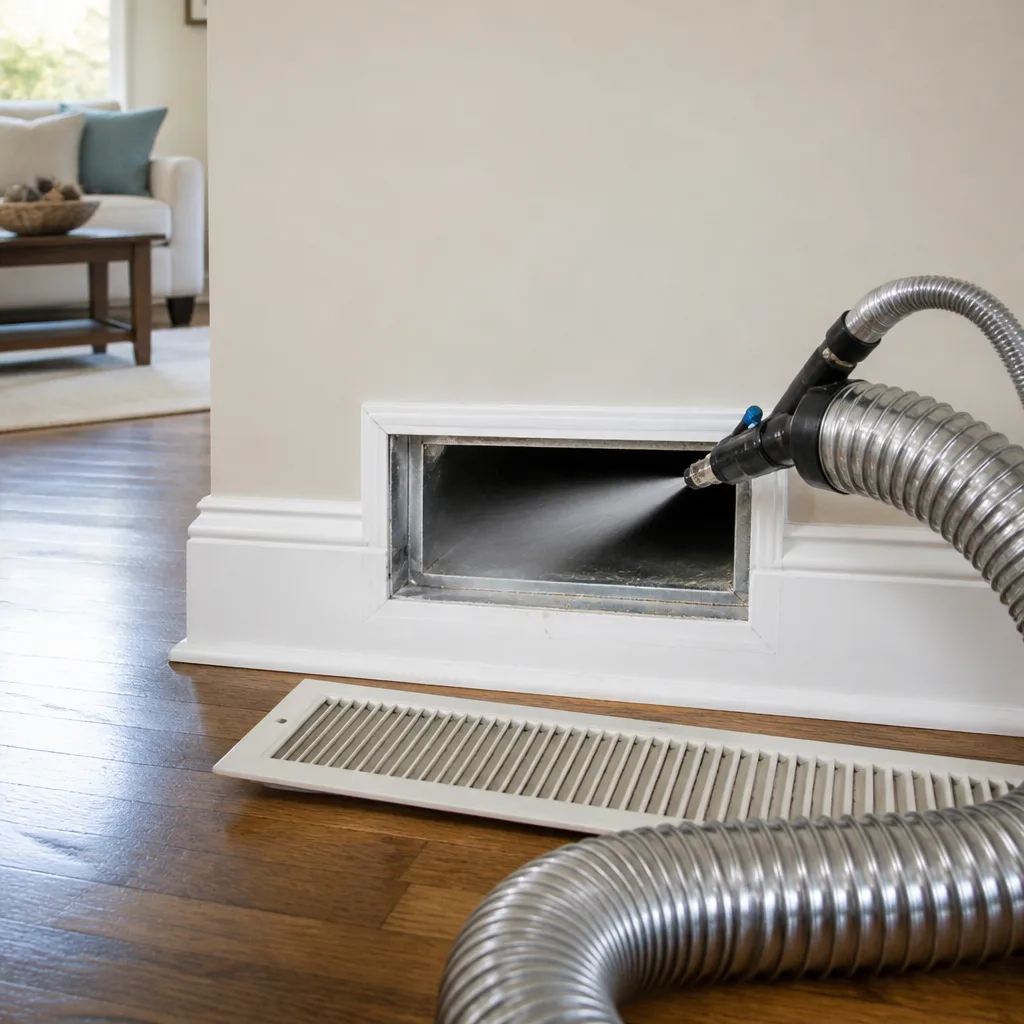 Sanitizing & deodorizing
Whole-system duct and dryer vent check with before-and-after photos - you see exactly what came out of your vents
That "$99 whole-house special" is a bait ad - the real number appears once they are in your hallway, or the "clean" is a shop-vac at the register. We photograph the inside of your ducts before and after instead.
Air Duct Cleaning Permits, Codes & Inspections in SouthPark, NC: What You Need to Know
The cleaning itself is permit-free, but the moment a contractor patches a collapsed flex duct run or installs a new access panel, the work crosses into mechanical repair territory, and unpermitted mechanical work can complicate a home sale later. Most homeowners in SouthPark assume that because duct cleaning isn’t a permitted trade, nothing about their ductwork is regulated at all. That’s wrong, and it’s the gap this guide fills. We’ll walk you through where North Carolina’s residential code draws the line between cleaning and mechanical repair, how the Mecklenburg County permit process actually works for duct modification, what your SouthPark HOA or condo association may require on top of that, and what a clean paper trail for your records looks like.
Quick Answer
Routine air duct cleaning in SouthPark, NC requires no permit and no inspection. Duct repair, sealing that involves modification of the duct system, or installation of new access panels counts as mechanical work under the North Carolina Residential Code, and that work generally requires a mechanical permit pulled through Mecklenburg County by a licensed contractor. If you live in an HOA-governed or shared-wall building in SouthPark, expect an association approval layer on top of the county process.
Styles & brands we work with
- Whole-home duct cleaning
- Dryer vent cleaning
- Camera inspection
- Sanitizing & deodorizing
Table of Contents
- Cleaning vs. Repair: Where the Code Draws the Line
- How Mecklenburg County Handles Duct Repair Permits
- HOAs and Condo Associations: The SouthPark Layer Most Contractors Skip
- What “Duct Sealing” Means in a Code Context
- What an Inspection Actually Looks Like
- How to Request Documentation That Separates Cleaning from Repair
- Selling a SouthPark Home: Why Permit History Matters
- Common Mistakes to Avoid
Cleaning vs. Repair: Where the Code Draws the Line
Cleaning is maintenance. Repair is construction. That’s the cleanest way to hold the distinction in your head, and it’s the distinction the North Carolina Residential Code cares about. When a technician runs a Rotobrush or Nikro system through your existing ductwork, opens the registers, and vacuums the system with negative pressure containment, the duct system itself is unchanged. No new components, no altered airflow paths, no structural modifications. Nothing about that scope requires a permit in any jurisdiction we work in.
The line moves the moment the work changes the system:
- No permit: cleaning, sanitizing, filter replacement, register and grille cleaning, dryer vent cleaning.
- Permit territory: replacing a run of flex duct, reconnecting a disconnected duct at a trunk or boot, cutting a new access hole, enlarging an existing access panel, changing duct sizing, rerouting a run, adding or removing a register.
- Gray zone that usually needs a permit: sealing a joint where the duct has physically separated, or rebuilding a crushed section rather than just cleaning it out.
The gray zone is where most disputes happen. A homeowner hears “duct sealing” and assumes it’s part of cleaning. A contractor who’s bidding carefully will tell you which parts of what he’s proposing are maintenance and which parts are mechanical alteration, because the two carry different liability. In our experience walking SouthPark homeowners through this, the confusion is almost never about the cleaning. It’s about the repair that gets tacked onto the end of the visit when the technician finds a collapsed run in the crawlspace or attic.
SouthPark’s housing stock shapes this. The neighborhood is dominated by homes built across several decades, which means ductwork in older ranches and split-levels gets brittle flex, disconnected boots, and crushed runs behind plaster and drywall. Newer construction in the area uses tighter systems with fewer access points, so when a repair is needed on a newer build, it often means cutting a new access panel, which is precisely the kind of work that draws a permit. If you want to understand the cleaning side on its own, our air duct cleaning page covers the full-system process in detail.
How Mecklenburg County Handles Duct Repair Permits
Mecklenburg County issues mechanical permits for alterations to HVAC and duct systems, and duct repair or modification falls inside that envelope. The permit has to be pulled by a licensed mechanical contractor with the right classification for the work, not by the homeowner and not by a cleaning-only outfit that isn’t licensed for mechanical work. That’s the first thing to nail down before anyone touches your ducts.
Here’s how the process typically moves from the homeowner’s side:
- Scope identification. The contractor inspects the system and separates cleaning scope from repair scope. This is the step most quotes skip.
- Permit application. The licensed mechanical contractor files the permit with Mecklenburg County, describing the repair or modification. Not all duct repairs require it, but anything that changes the system likely does.
- Work performed. Repair happens. Access panels, sealed joints, new duct runs, whatever the permit covers.
- Inspection. The county inspects the mechanical work against the permit scope. If the work passes, you get a documented inspection.
- Records kept. You keep the permit number and inspection result with your home records. That file matters at resale more than most people realize.
Ask any contractor you’re considering one direct question: “Are you pulling a permit for the repair portion, and who’s the qualifying licensed mechanical contractor?” If the answer is vague, that’s information. A cleaning-only company that subcontracts repair work should be able to tell you who the licensed contractor is before the work starts, not after. We’ve found that SouthPark homeowners who ask this one question filter out a lot of downstream headaches.
The county process is also slower than a lot of contractors advertise. Permit review and inspection scheduling take time, and a contractor who quotes “we can do it all tomorrow” for duct repair either isn’t pulling a permit or is treating a permitted job as if it were maintenance. Neither is what you want on a home you plan to sell. Our HVAC cleaning page goes deeper into the components inside the air handler that sit upstream of the duct system and typically get addressed in the same visit.
HOAs and Condo Associations: The SouthPark Layer Most Contractors Skip
This is the part almost no contractor tells you about, and in SouthPark it’s real. Large parts of the neighborhood sit inside HOA-governed communities and condominium buildings where any work touching the HVAC system or the visible air-delivery components may need association approval before a contractor so much as opens a panel. The county permit is one layer. The association approval is a second, completely separate layer.
What typically triggers association review in SouthPark:
- Work in shared-wall condominiums where ducts run through common areas or vertical chases.
- Exterior vents, roof caps, or dryer vent terminations that change the building envelope.
- Installation of new access panels that open into walls the association treats as common property.
- Any change in mechanical equipment visible from outside, like a condenser or a vent terminus.
If you’re in a shared-wall building, the ducts may not even be entirely your property. A run that passes through a chase shared with a neighboring unit can be the association’s to approve changes on. That’s why the sequence matters: get the association’s approval in writing before the contractor schedules the work, not after. Ask the property manager or the board for the current architectural review or alteration request form. Most SouthPark associations have one, and the process is usually straightforward if you go in with a clear scope.
The other trap is doing permitted county work without association sign-off and vice versa. If the county has a permit on file for duct modification but the association never approved it, you can still get tagged later. Both paper trails need to exist on a shared-wall building. Our dryer vent cleaning service is worth mentioning here because dryer vent work is one of the more common items that crosses into association approval territory when the termination point changes on a multi-unit building.
What “Duct Sealing” Means in a Code Context
“Duct sealing” is one of the vaguest phrases in the trade, and it means three different things depending on who’s saying it. In a code context, the question isn’t whether sealing is happening; it’s whether the sealing changes the duct system in a way that requires a permit and inspection. Here’s how the three main approaches sort out:
Mastic and tape application (maintenance-adjacent)
Brushing mastic on existing seams or wrapping joints with approved tape is generally treated as maintenance when it’s applied to a duct system that’s already intact. It seals leaks at joints without changing the system’s geometry. In practice, most localities don’t require a permit for this when it’s done as part of cleaning or minor repair, but the moment the mastic is being applied because a joint has structurally separated, you’ve moved into repair.
Aerosol sealing (Aeroseal and similar)
Aerosol duct sealing injects a fogged sealant into the duct system under pressure, and the particles collect at leaks and build up a seal. This approach is often marketed as non-invasive, and it is. But it still changes the system, and some jurisdictions treat it as an alteration that needs to be documented. Ask the contractor how the work will be recorded and whether the local building department has a stance on it. When we discuss aerosol sealing with SouthPark homeowners, we’re clear that the documentation is worth requesting regardless of whether the county requires a permit.
Mechanical repair and rebuild
Replacing a crushed flex run, reconnecting a boot at the register, rebuilding a toppled trunk section, or cutting a new access panel is mechanical repair. Under the North Carolina Residential Code this is the work that triggers a permit and an inspection. There’s no ambiguity here. If your contractor says the crushed run in your attic doesn’t need a permit, ask them to put that in writing along with the code basis. If they can’t, treat it as repair that needs a permit.
The practical takeaway: “duct sealing” isn’t a single scope, and the permit question isn’t yes or no. It’s which kind of sealing, applied to which condition, documented how. Our dedicated duct repair and sealing work is scoped separately for exactly this reason. The repaired system is what holds air; cleaning without repair just resets the clock on the debris.
What an Inspection Actually Looks Like
When a duct repair requires a mechanical permit in Mecklenburg County, an inspector from the county comes out to verify the work against the permit scope. The inspection isn’t an air quality test and isn’t a cleaning verification; it’s a construction inspection. It asks whether the mechanical work described on the permit was actually performed and whether it meets code.
A typical inspection checks:
- That new duct runs, connections, and access panels match the permit description.
- That duct materials are appropriate for the application and installed correctly.
- That the system is supported and sealed per code.
- That nothing about the repair creates a hazard or defeats a fire-rated assembly.
What an inspection does not do is measure whether the interior of your ducts is clean, whether the airflow actually improved, or whether the air quality in the home changed. Those are different questions answered by different tools. When we do full-system cleaning with Abatement Technologies containment and filtration, the verification is in before-and-after photos and measured airflow, not a county inspector’s signature. What the county inspection gives you is the paper record that the mechanical work was done legitimately.
That distinction matters for SouthPark buyers and sellers. A home with a documented mechanical permit and inspection for a duct repair is easier to represent than one where a previous owner had a contractor “fix” a collapsed run with no record. If you’re on the buying side and the disclosure mentions duct repair, ask for the permit number and inspection result. The absence of that record is not fatal, but it’s a negotiating point. And if the repair was done without a permit and now fails, the cost of doing it correctly frequently ends up on the current owner.
How to Request Documentation That Separates Cleaning from Repair
This is the single highest-leverage step you can take as a homeowner, and almost nobody does it. Ask every contractor you’re evaluating for a written scope that separates the cleaning portion from any recommended repair portion. Not a single-line invoice that says “duct cleaning and repair.” A scope that names the two parts and prices them separately.
Here’s the request, spelled out:
- Ask for a written scope that lists cleaning as one line item and any repair, sealing, or modification as a separate line item with a description.
- Ask which items require a permit in Mecklenburg County, and ask the contractor to identify the licensed mechanical contractor who would pull it.
- Ask for the permit number in writing once the permit is filed, and for the inspection result once the work passes.
- Ask for before-and-after photos of the duct interior, not just the vents. Photos are the only practical verification of cleaning scope on the cleaning side.
- Keep the file with your home records alongside your HVAC service history.
When we do a full-system job in SouthPark, the estimate breaks out cleaning, sanitizing, and any repair separately because those are genuinely different scopes with different documentation and different permit questions. That’s not a paperwork flourish. It’s the file you’ll want if you sell the home or need to demonstrate to an insurer that the work was done properly. Our main page at Air Duct Cleaning SouthPark explains how the five-service scope fits together so you can see the pieces before you call.
One more documentation ask: request a written statement of what equipment will be used. Rotobrush and Nikro systems are contractor-grade, and naming the equipment on the estimate is a reasonable ask. If a company can’t tell you what equipment will be in your home, that’s worth knowing before you book.
Selling a SouthPark Home: Why Permit History Matters
Unpermitted mechanical work doesn’t disappear when you list a home; it surfaces during the buyer’s inspection and becomes a negotiation item. That’s the practical consequence of duct repair without a permit. When a home inspector finds a new flex run, a recently cut access panel, or a repair that doesn’t match what the disclosure describes, the buyer’s agent asks for documentation. If none exists, the seller is often asked to either produce it, credit the buyer, or have the work re-done under permit.
The math depends on the situation, but the pattern is consistent: what would have been a routine repair with a modest permit fee becomes a retroactive fix-up with a contractor’s time, a county review, and a negotiating concession all bundled together. It’s the retroactive part that stings. A duct repair that went through a permit the first time generates paperwork instead of questions at resale.
SouthPark’s condo market amplifies this. Shared-wall buildings have association records and county records that a buyer’s agent can check independently, so a discrepancy between the two shows up quickly. If the association approved a duct modification but no county permit exists, that’s a red flag. If the county permitted the work but the association never signed off, that’s a different red flag. Either way, the current owner absorbs the cost of sorting it out.
The remedy is upfront, not retroactive. Get the permit before the work starts on anything that crosses the mechanical repair line, and keep the paperwork. If you’re buying in SouthPark and the disclosure is thin on ductwork history, ask for the permit records. The county can tell you what’s on file, and the association can tell you what was approved. Both are reasonable asks before closing.
Common Mistakes to Avoid
- Assuming no permit is needed because it’s “just duct cleaning.” Cleaning is permit-free, but if the visit turns into a duct repair, the permit question changes. Get the two scopes on the estimate separately from the start so the visit can’t quietly drift into permitted work.
- Hiring a cleaning-only company for repair work. A cleaning outfit that isn’t licensed for mechanical work can’t legally pull the permit for duct repair in Mecklenburg County. Ask who the licensed mechanical contractor will be before the work is scheduled, not after.
- Skipping the HOA approval in a SouthPark condo. The county permit is one layer; the association’s alteration request is a separate layer. Both need to be in place before the work happens on a shared-wall building, and the association side is easy to forget.
- Accepting a one-line invoice that doesn’t distinguish cleaning from repair. A single-line invoice for “duct cleaning and repair” gives you no way to demonstrate to a future buyer or insurer which portion was which. Split the line items and keep the paperwork.
- Treating “duct sealing” as one scope. Mastic on existing seams, aerosol sealing, and mechanical repair of a crushed or disconnected run are three different scopes with different permit implications. Ask which one is being proposed in writing.
- Letting a contractor claim “no permit needed” without documentation. If a contractor tells you a duct repair doesn’t need a permit, ask for that in writing with the code basis. If they can’t produce it, assume it needs one.
- Overlooking the dryer vent in the same conversation. Dryer vent work on a multi-unit building can cross into association approval when the termination point changes. Bring it into the same scope discussion rather than treating it as a separate errand.
See the difference
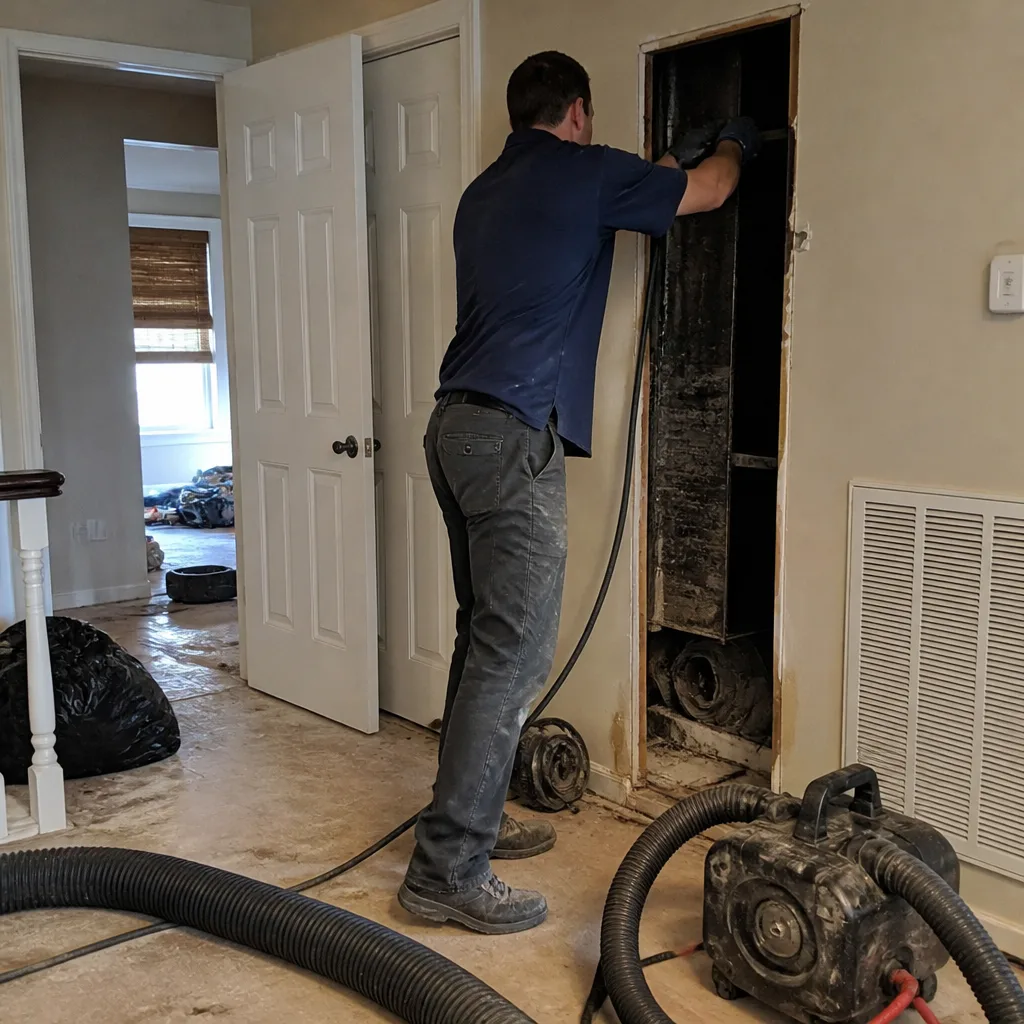 Before
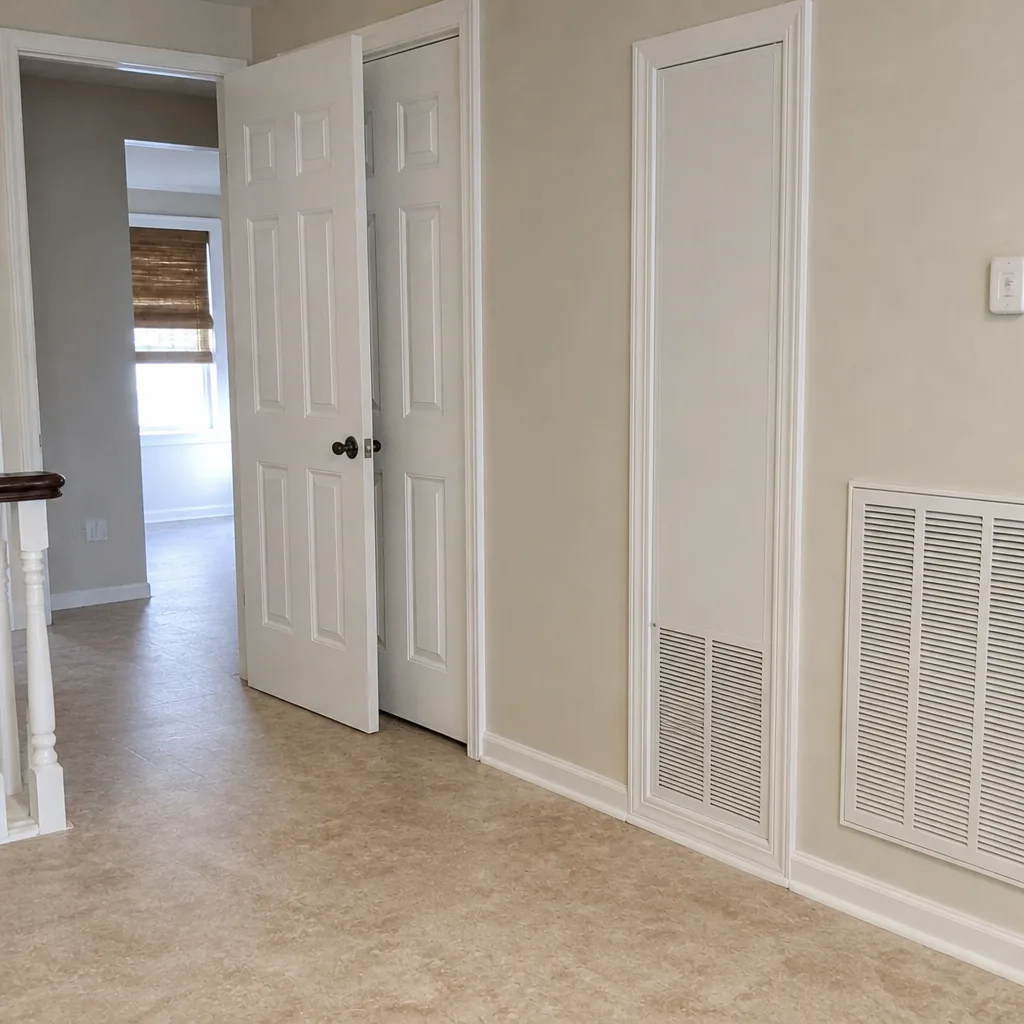 After
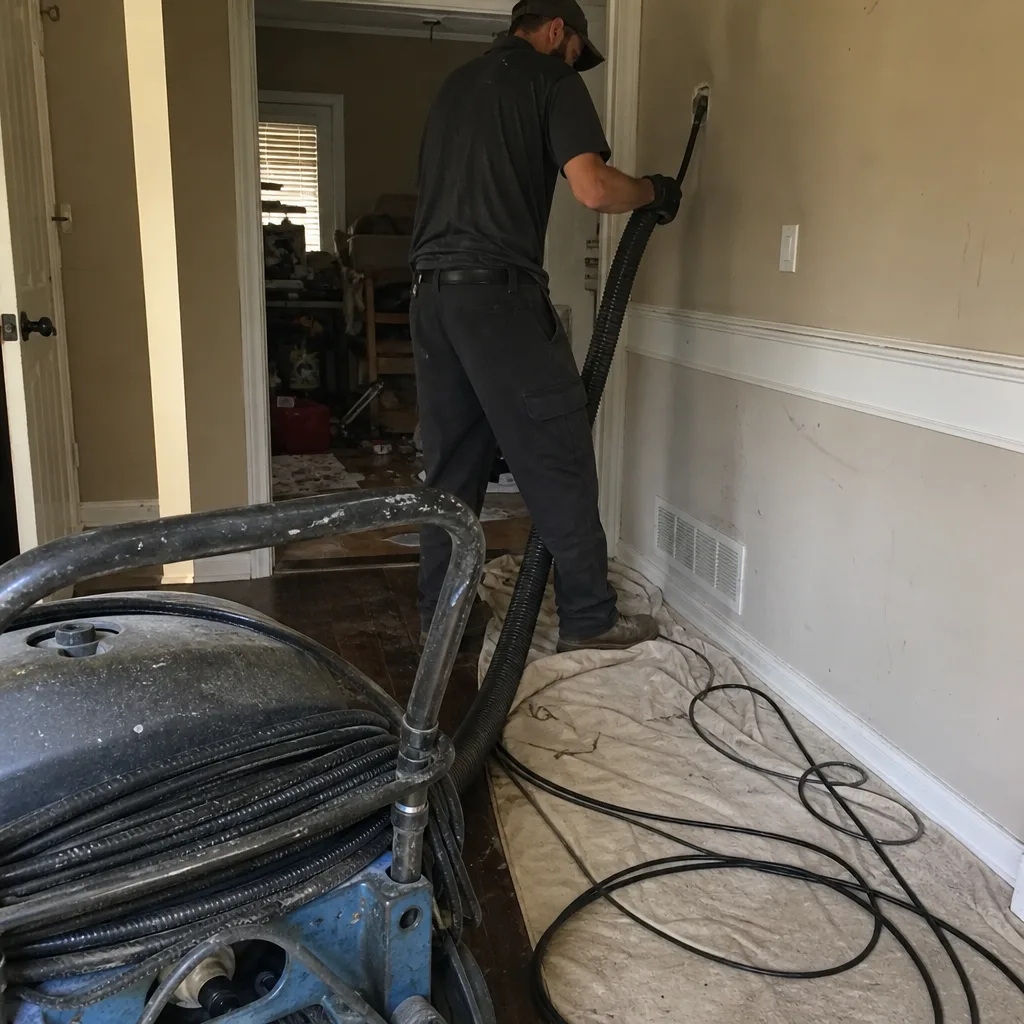 Before
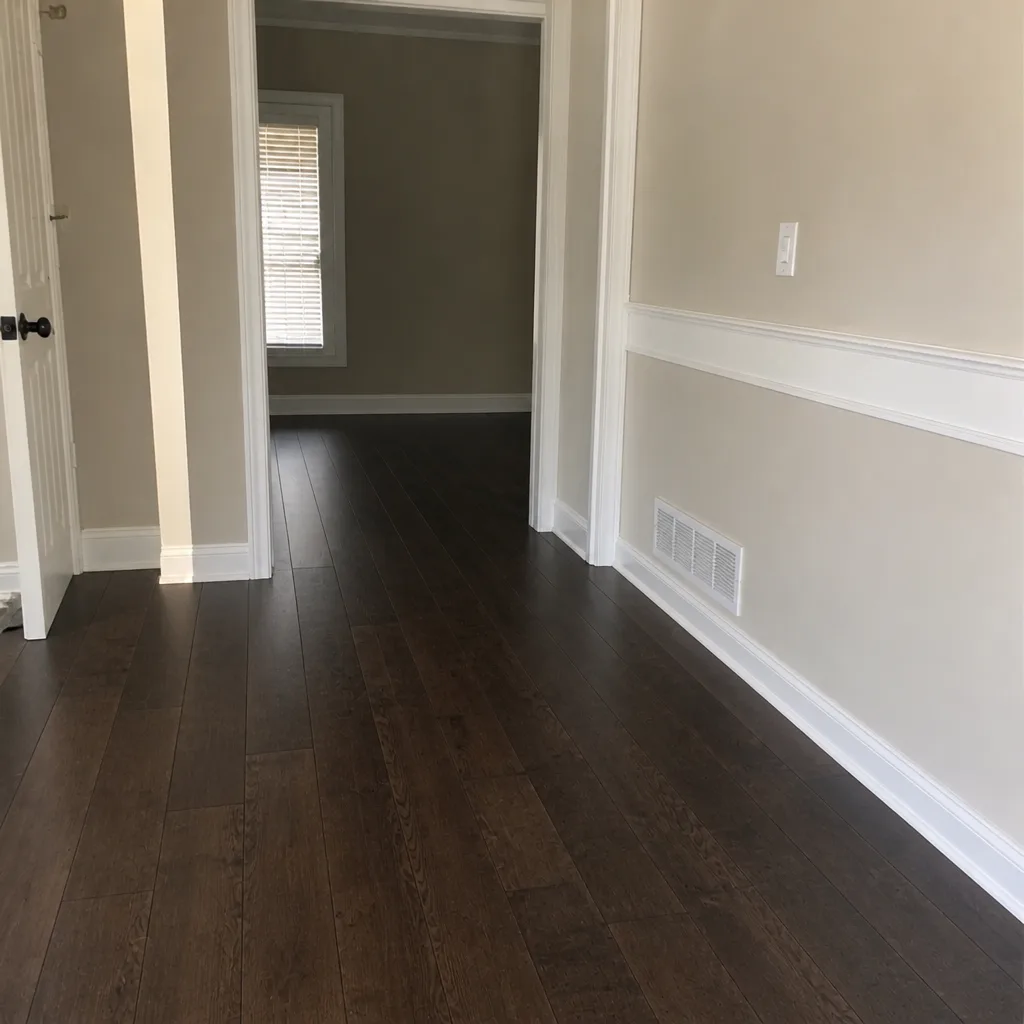 After
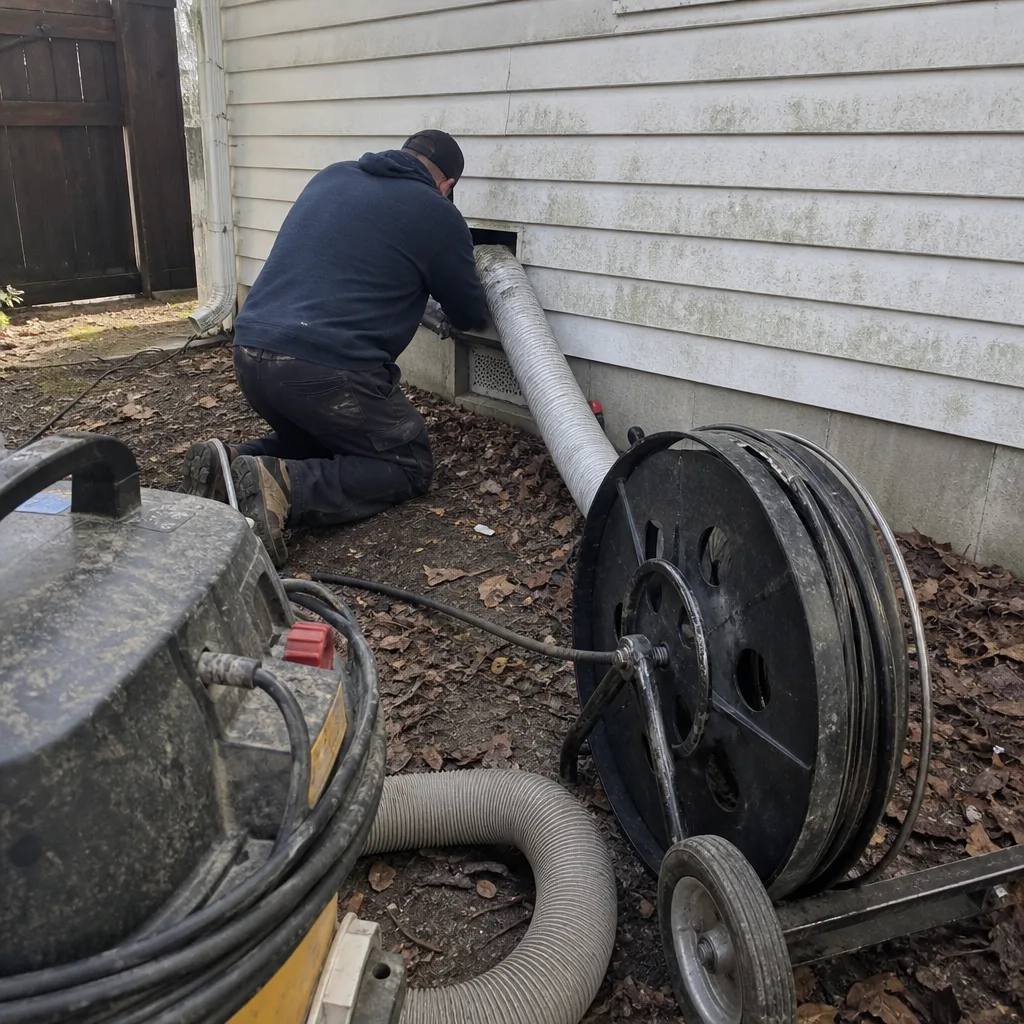 Before
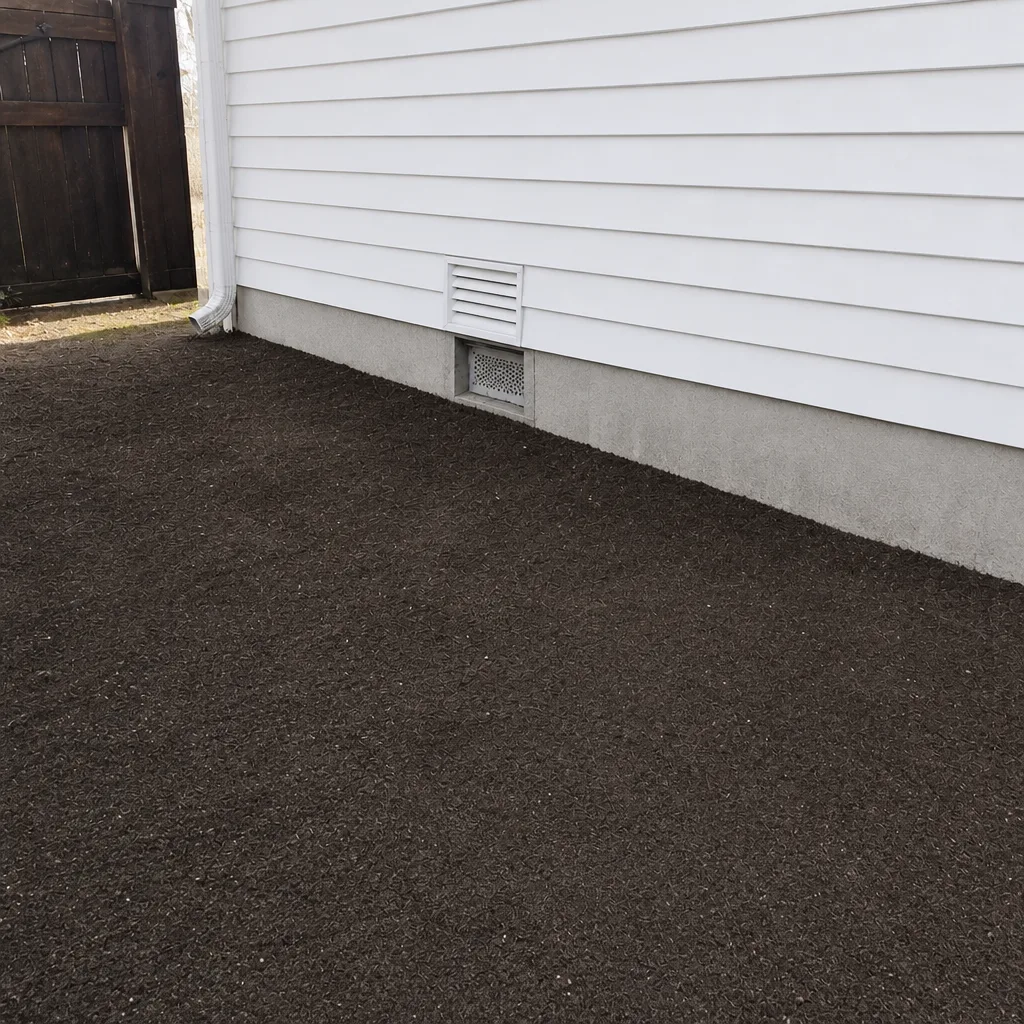 After
When to Call a Professional
Call a professional when you suspect a duct repair rather than a cleaning, when you’ve got disconnected or crushed runs in a SouthPark attic or crawlspace, when a musty smell or visible debris suggests contamination that cleaning alone won’t address, or when you’re in a shared-wall building and don’t know whether the ductwork crossing the common area is yours to change. Also call if you’re preparing to sell and can’t produce a permit record for prior duct repair work, or if a home you’re considering buying has duct repair in the disclosure but no documentation. Air Duct Cleaning SouthPark offers free estimates in SouthPark – call (833) 468-3043. We answer 24/7. Fast dispatch from 7am to 7pm. One flat price per system is agreed before work starts, and before-and-after photos go with every job.
Frequently Asked Questions
No. Routine air duct cleaning in SouthPark requires no permit and no inspection, because cleaning doesn’t change the duct system. The moment the work involves repairing, replacing, or modifying duct components, that’s mechanical work under the North Carolina Residential Code and it generally requires a mechanical permit through Mecklenburg County, pulled by a licensed contractor. Call (833) 468-3043 for an exact quote – estimates are free.
Only a licensed mechanical contractor with the appropriate classification can pull a mechanical permit for duct repair or modification in Mecklenburg County. The homeowner cannot pull it, and a cleaning-only company that isn’t licensed for mechanical work cannot pull it either. Before the work is scheduled, ask the contractor to name the qualifying licensed mechanical contractor and confirm they’re the one filing. Call (833) 468-3043 if you’d like us to walk through what your scope looks like.
It depends on the kind of sealing. Mastic applied to existing seams on an intact system is generally treated as maintenance and usually doesn’t require a permit. Aerosol sealing is often treated as an alteration worth documenting. Mechanical repair of a disconnected, crushed, or separated duct run is mechanical work that requires a permit under the North Carolina Residential Code. The ambiguity lives in how the sealing is described, so get the scope in writing. Call (833) 468-3043 for an exact quote on your specific situation.
It may, and in shared-wall buildings it frequently does. SouthPark condominium associations often require an architectural review or alteration request before any HVAC-adjacent work is performed, especially when the ductwork crosses a chase shared with another unit or when the work touches an exterior vent or roof cap. Ask your property manager for the current form before you schedule the work. Call (833) 468-3043 – we can talk through the association layer alongside the county one.
Duct cleaning is priced per system rather than per vent, and the written estimate sets the final price. Beware of very low teaser pricing that turns into a much larger invoice once the technician is on site. We give one flat price per system agreed before work starts, with before-and-after photos of your ducts so you can see what was actually done. Call (833) 468-3043 for an exact quote – estimates are free.
Low quotes often price cleaning alone and leave any repair found during the visit to be billed as an add-on, or they use consumer-grade vacuums instead of contractor-grade equipment. A quote that doesn’t separate cleaning from repair isn’t comparable to one that does, and a quote that doesn’t name its equipment or its licensed repair contractor leaves you guessing. Ask what’s inside the number. Call (833) 468-3043 for an exact quote – estimates are free.
The Bottom Line
The permit question for air duct cleaning in SouthPark comes down to scope. Cleaning is maintenance and requires no permit. Duct repair, sealing that involves modification, new access panels, and any change to the duct system is mechanical work under the North Carolina Residential Code, and that means a Mecklenburg County mechanical permit pulled by a licensed contractor and an inspection on the completed work. On top of the county layer, SouthPark’s HOA-governed communities and shared-wall buildings often require their own approval. Ask for the scope in writing, split into cleaning and repair; ask who pulls the permit; keep the paperwork. That file is what protects you at resale. Air Duct Cleaning SouthPark uses contractor-grade Rotobrush and Nikro equipment with Abatement Technologies containment, and can work with your insurer where relevant. The local pro is licensed and insured as their state requires. One flat price per system is agreed before work starts, with before-and-after photos as standard.
Call (833) 468-3043 for a free estimate. We answer 24/7. Fast dispatch from 7am to 7pm, Sunday through Friday. Closed Saturday.
Written by the team at Air Duct Cleaning SouthPark.