
Last updated November 24, 2026
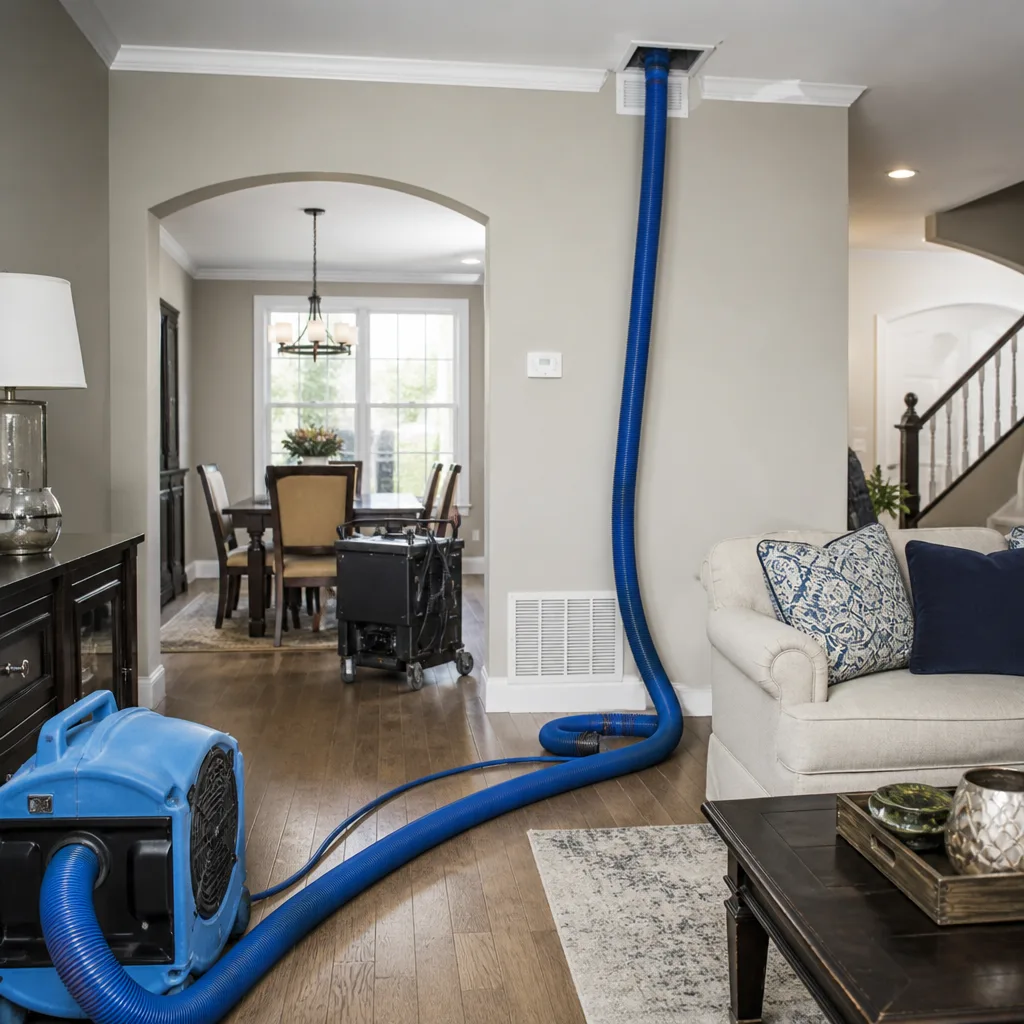 Whole-home duct cleaning
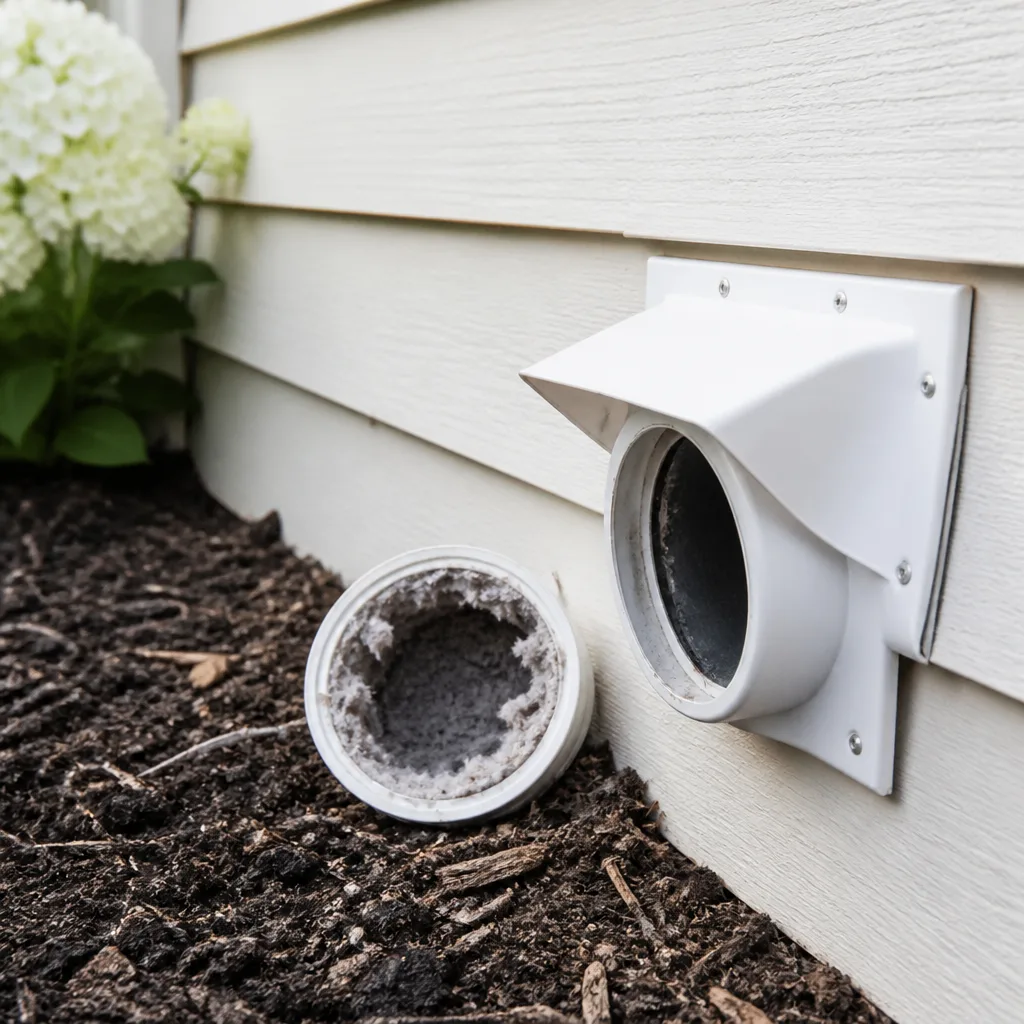 Dryer vent cleaning
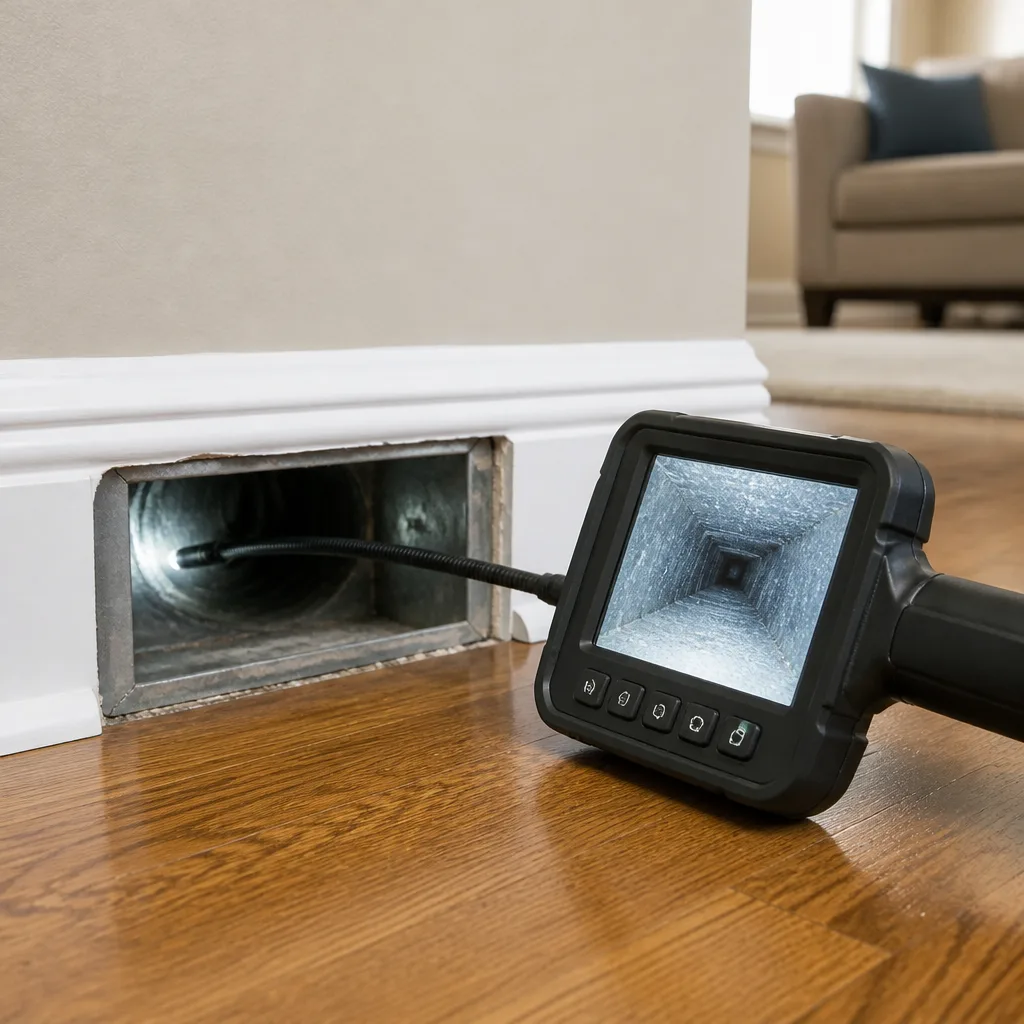 Camera inspection
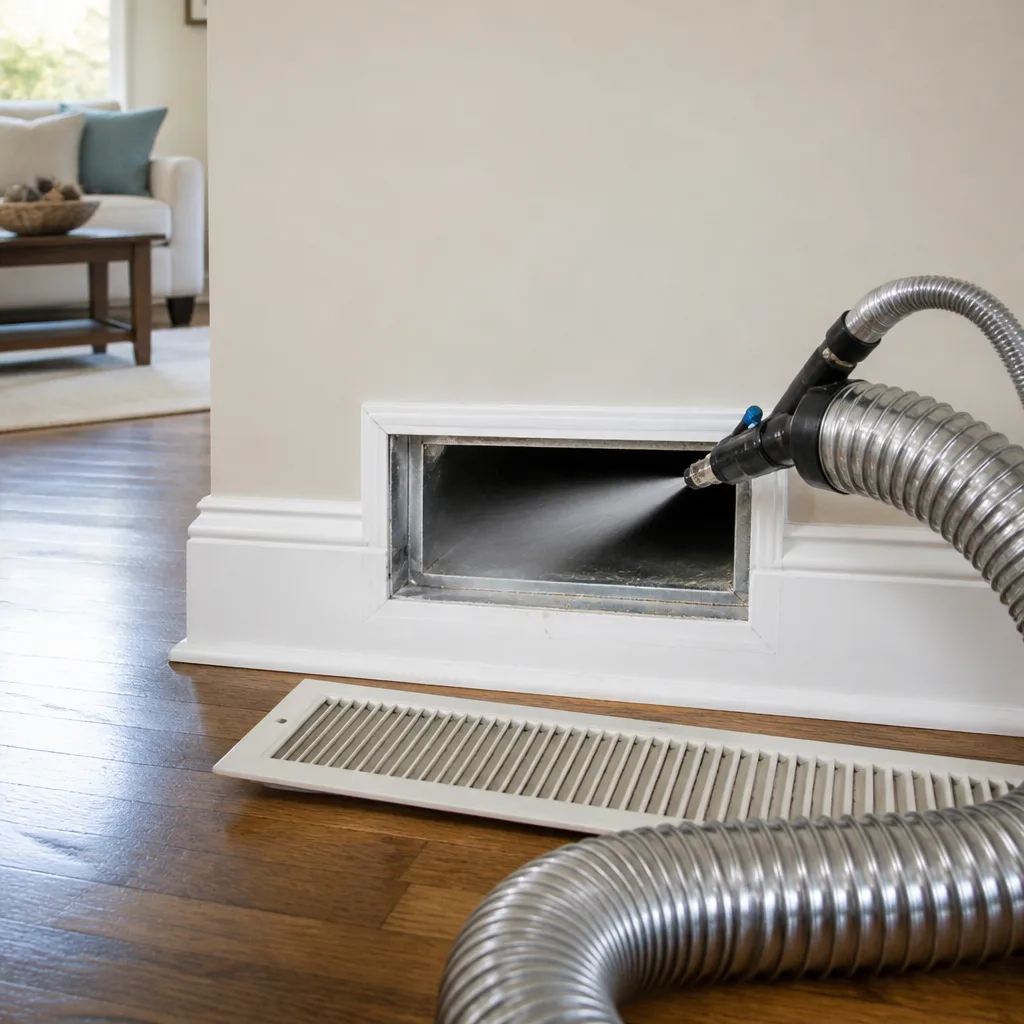 Sanitizing & deodorizing
Whole-system duct and dryer vent check with before-and-after photos - you see exactly what came out of your vents
That "$99 whole-house special" is a bait ad - the real number appears once they are in your hallway, or the "clean" is a shop-vac at the register. We photograph the inside of your ducts before and after instead.
How to Hire an Air Duct Cleaning Contractor in SouthPark: A Step-by-Step Guide
North Carolina does not require a specific license to offer air duct cleaning, so the credential that separates a trained remediator from someone with a shop vac and a website is entirely up to the homeowner to verify. That’s the uncomfortable truth most hiring guides skip. No state exam, no trade board review, no mandatory certification stands between a truck and your return plenum. What fills that gap is process: the questions you ask, the equipment you inspect, and the written scope you insist on before anyone starts. This guide gives you that process as a checklist you can run in under an hour. You’ll learn what NADCA membership actually means, the five questions that reveal source removal versus surface cleaning, and how to structure a job so “done” means done. SouthPark homeowners sit in a competitive market where quotes can vary wildly for what sounds like the same work, so the vetting is the value.
Quick Answer
To hire an air duct cleaning contractor in SouthPark, verify three things before you book: that the contractor performs source removal (physical contact with the whole duct interior, not just the visible grille), that the equipment includes a truck- or van-mounted negative pressure unit with HEPA filtration on the exhaust, and that the quote is a fixed price for a written scope rather than a per-vent teaser. NADCA membership is a useful screening signal but it is a private trade credential, not a government license. The hiring process itself is your quality filter.
Styles & brands we work with
- Whole-home duct cleaning
- Dryer vent cleaning
- Camera inspection
- Sanitizing & deodorizing
Table of Contents
- Why North Carolina Licensing Makes Your Hiring Process the Real Filter
- What NADCA Membership Actually Requires (And What It Doesn’t)
- The Five Pre-Hire Questions That Reveal the Real Job
- How to Evaluate the Equipment on the Quote
- Red Flags in a Duct Cleaning Quote
- How to Write the Scope Before Work Begins
- What’s Different About Duct Work in SouthPark
- What a Legitimate Full-System Visit Looks Like
Why North Carolina Licensing Makes Your Hiring Process the Real Filter
In most trades, the license does the first round of vetting for you. HVAC contractors in North Carolina hold a state license, and electricians hold one too. Air duct cleaning sits outside that structure: there’s no dedicated state license for the service itself. A company can register a business, buy a machine, and advertise the next week. That’s not a knock on the trade, it’s just the reality of a young service category, and it means the barrier to entry is low enough that the consumer’s own process becomes the only meaningful screen.
What this changes for you in SouthPark is practical. You can’t ask “Are you licensed?” and consider the job done, because the honest answer from a good contractor and a bad one may be similar. Instead, you shift the questions toward things the contractor can’t fake on a phone call: What machine do they use? How does it capture what it loosens? Can they describe the process from supply trunk to return? Get specific and the knowledgeable outfit answers in specifics, while the surface cleaner circles back to price.
It also means due diligence costs less than most people think. Fifteen minutes of targeted questions, one written scope, and a comparison of two or three quotes gets you to a confident decision. That’s the entire filter. For a broken-down explanation of what the service should include, see our guide to air duct cleaning.
- What the state does regulate: business registration, sales and use tax, and consumer protection law regarding deceptive pricing.
- What the state does not regulate: the technical standard of the cleaning itself, or which equipment is used.
- What fills the gap: trade credentials (NADCA), equipment choice, written scope, and your own questions.
What NADCA Membership Actually Requires (And What It Doesn’t)
NADCA, the National Air Duct Cleaners Association, publishes the ACR Standard, the industry’s consensus document on how a duct cleaning should be performed and verified. Membership signals that a company has chosen to align with a published technical standard and a code of ethics. That’s a real signal, and it’s worth asking about. What it is not is a government license, an inspection, or a guarantee of workmanship on your job. A company can hold the credential and still execute a mediocre visit, and a company without it can do excellent work. Treat it as one data point, not the whole decision.
What we’ve seen in the SouthPark market is a range: some contractors use the membership as part of an honest standard, others wear the logo almost as a shortcut past any technical conversation. The way to tell the difference is to keep asking. If a company mentions NADCA, ask which standard they follow for source removal and how they verify the duct is clean at the end. If they can describe the standard’s requirements in plain language, that’s a good sign. If the logo is the whole answer, move on.
Ask specifically:
- Are you a NADCA member, and does your process follow the ACR Standard?
- Do you provide before-and-after documentation of the duct interior?
- Do you seal openings you cut for access, and if so with what material?
- Who performs the work: employees of your company, or subcontracted labor?
The fourth question matters more than most homeowners expect. A company that subcontributes the actual cleaning may have no direct control over the quality you experience. That’s not automatically disqualifying, but it’s worth knowing.
The Five Pre-Hire Questions That Reveal the Real Job
The single biggest technical divide in duct cleaning is source removal versus surface cleaning. Source removal means the technician physically contacts the entire interior surface of every duct run with a mechanical agitation tool, then captures the loosened debris with negative pressure and filtration. Surface cleaning means cleaning what’s reachable from the register opening, which leaves the trunk lines and long runs essentially untouched. The difference determines whether your quote is for the full job or a partial one, and it’s the gap most homeowners never catch.
Ask these five questions before booking. The answers tell you which kind of job you’re actually buying.
- “Do you perform source removal, and how do you agitate the duct interior?” A real source-removal contractor uses a mechanical whip or brush on a rotating cable, or compressed air with a directional nozzle, inside every branch run. If the answer is “we vacuum from the vents,” that’s surface cleaning.
- “What kind of vacuum do you use, mounted or portable?” A truck- or van-mounted negative pressure unit with HEPA filtration on the exhaust is the contractor-grade standard. A portable shop vac setup is consumer grade, no matter how big the tank.
- “Do you clean the supply and return sides, and the air handler?” Half a system is half the job. A proper visit includes the return plenum, the supply trunk, the branch runs, and the accessible portion of the air handler and coil.
- “How do you document the before and after?” A responsible contractor photographs or video-scopes the duct interior before and after cleaning. This is how you know the work was done, and it’s the answer to the “did they actually clean it?” worry that hangs over this trade.
- “What’s the price, and what’s included in writing?” The answer should be a fixed price for a defined scope, not a starting point that grows once the machine is on site.
Notice that none of those questions require you to know anything technical. You’re asking for descriptions and documentation, and a trained contractor gives them easily. If the answers are vague, that’s your answer.
How to Evaluate the Equipment on the Quote
Equipment is the most concrete thing you can evaluate, and it separates a $200 visit from a $700 one without any inspection of your home. Three components matter: the negative pressure source, the filtration, and the agitation tools. Get the contractor to name them on the quote or describe them on the call.
Negative pressure and collection. A truck-mounted or large portable unit puts the duct system under negative pressure so loosened debris flows toward the collection point instead of into your living space. Ask about the pressure rating and whether the collection point is remote (at the truck) or contact (a hand-held tool at the register). Remote collection is the higher standard for a whole-system job because it captures everything the agitation loosens along the entire run.
HEPA filtration on the exhaust. The air that leaves the vacuum has to be filtered, or you’re just moving dust somewhere else. A HEPA filter on the exhaust is the contractor-grade standard. The equipment brand names to look for include Rotobrush and Nikro systems, which are what professional remediators use for whole-system work. If a company uses Abatement Technologies filtration equipment, that’s the same containment standard applied in remediation work, and it’s a genuine quality signal.
Agitation tools. Mechanical whips, rotary brushes, and directional compressed-air nozzles are the tools that actually touch the duct walls. Ask which ones the contractor brings and whether they’re sized for both trunk lines and small branch runs.
- Contractor-grade: truck- or van-mounted negative pressure, HEPA exhaust filtration, mechanical agitation.
- Consumer-grade: portable shop vac, no exhaust filtration, cleaning limited to the register opening.
- The tell: a contractor who can name the equipment and explain why each component matters.
Red Flags in a Duct Cleaning Quote
The bait-and-switch reputation of this trade is well earned, and the pattern is consistent. A low teaser price brings the technician to the door, then the scope expands once the machine is set up. The best defense is to know the red flags before you compare numbers, because a suspiciously cheap quote is usually the start of a negotiation, not the end of one.
Per-vent pricing. A quote structured as a price per register looks cheap because it’s easy to understate the vent count. The technician arrives, counts the vents, and the total lands far above what you expected. A whole-system job should be priced per system, not per vent, and should include every register in the home.
Add-ons with no diagnostic basis. Sanitizing, antimicrobial treatment, and filtration upgrades can all be legitimate, but they should follow something the technician actually found, not a checklist item pitched before they open a single access panel. Ask why a specific treatment is recommended and what evidence supports it. If the answer is “just to be safe,” that’s not a diagnostic, it’s an upsell.
Vague “antimicrobial treatment.” This is a category of product, not a specific one. A responsible contractor names the product, the active ingredient, and the intended purpose, and doesn’t bundle it into a package price where you can’t see what you received.
No written scope. A quote that says “full duct cleaning” without listing what’s included is not a quote, it’s a handshake. Insist on writing before the work starts.
Discount pressure on the call. A “today only” price is a pressure tactic, not a service offer. The written estimate should stand on its own.
How to Write the Scope Before Work Begins
The single best protection against a bad experience is a written scope that both parties agree on before anyone touches a duct. Ask the contractor to put the scope in writing, and read it back to them. The document should name the components being cleaned, the equipment, the access points, and what “complete” means at the end. That last item is the one most quotes skip, and it’s the one that settles the arguments.
Structure the scope around these items:
- Components included. Supply trunk, branch runs, return plenum, and accessible portions of the air handler and evaporator coil. Each one either listed or excluded, not left ambiguous.
- Equipment named. The type of negative pressure unit and the filtration standard on the exhaust.
- Access. Where access panels will be opened or cut, and how cuts will be sealed afterward.
- Documentation. Before-and-after photos or video of the duct interior, delivered to you.
- Price and payment. A fixed price for the defined scope, with the estimate treated as the final number for the agreed work.
- Definition of completion. A short written statement of what a completed job looks like, usually the visible removal of debris and the verified cleanliness of the duct interior.
In our experience, most of the disputes in this trade trace back to a missing definition of done. When the scope is written down, everyone is working from the same baseline and the “is it clean enough?” question has an answer. If you want to see how we approach the full-service version of this, our page on Air Duct Cleaning SouthPark covers the five-service scope we run.
What’s Different About Duct Work in SouthPark
SouthPark is a dense cluster of homes, condos, and older properties around the shopping district, with a mix of original HVAC systems and retrofits. Two things tend to show up in duct work here more than in some other parts of the metro. First, a lot of the housing stock is older and some systems have seen one or more renovations, which is a common source of construction debris left in the ducting. Second, the tight lot lines and mature landscaping mean moist air and pollen loads that cycle through the system, and that combination makes regular whole-system cleaning genuinely worth scheduling.
The SouthPark climate is the reason. Warm, humid summers mean the AC runs hard, and moisture condensing around the evaporator coil and duct transitions is exactly where biological growth likes to start. If the return plenum or coil cabinet stays wet, the “musty smell” complaint is usually a moisture problem first and a duct problem second. When we look at jobs in SouthPark, we’re watching for that pattern, and honestly a cleaning that doesn’t address the moisture source will look fine for a season and then come back.
SouthPark also has the condo and townhome piece. Multi-unit buildings introduce shared duct elements, access limitations, and HOA rules about cutting panels. If you’re in one of those, confirm access rules with the HOA before the visit, and make sure the contractor knows the building type when they quote. A first-floor condo and a detached single-family home in SouthPark can require very different access approaches. For the dryer vent side of the system, which is often overlooked until the annual cleaning, see dryer vent cleaning.
What a Legitimate Full-System Visit Looks Like
Once you’ve hired well, the visit itself should be predictable. A professional contractor in SouthPark will arrive with the equipment named on the quote and walk you through the process before setup. The sequence below is the standard for a full-system job, and it’s worth knowing so you can spot a deviation. Our technicians have up to 10 years of experience with these systems, and much of that experience is in knowing where debris hides.
- Walk-through and access. The technician identifies every register and return, and confirms access points for the trunk and air handler.
- Before-documentation. Photos or video of the duct interior at the return and key branches.
- Setup. Negative pressure unit connected to the trunk, HEPA filtration engaged, drop cloths and containment at the returns.
- Agitation. Mechanical whip or rotary brush on each branch run, then the trunk, then the return plenum, sized to each duct.
- Air handler and coil. Accessible portions cleaned, coil condition noted.
- Sanitizing if included. Only if it’s in the written scope, applied with Guardsman-grade protection standards to the surfaces that need it.
- Restoration and sealing. Access panels resealed, system reassembled, any loose transitions sealed so future debris doesn’t find a path back in.
- After-documentation and handover. Photos delivered, and a short conversation about what was found and what to watch for next.
Where a contractor handles more of the system in one visit, you avoid scheduling separate cleans, coil work, and repairs with different providers. That’s the practical case for a full-system provider, and it’s the model we run. For the HVAC side, see HVAC cleaning.
Common Mistakes to Avoid
- Booking on price alone. A per-vent teaser in the $100-$200 range almost always grows once the technician is on site; a whole-system job in SouthPark typically lands in a higher fixed range. Compare scope and equipment, not just the opening number.
- Not asking about source removal. Surface cleaning from the register looks and smells like cleaning on the day of the visit, but the trunk lines and long runs are exactly where the debris accumulates. Ask the question and get a specific answer.
- Accepting no documentation. If the contractor can’t show before-and-after photos or video, you have no way to verify the work. Insist on it in the written scope.
- Ignoring the return side. A quote that names only the registers and not the return plenum, trunk, or air handler is a partial job. Half the system means half the result.
- Treating a musty smell as a cleaning opportunity. In SouthPark’s humid summers, a lingering musty smell often points to moisture at the coil or duct transition, not accumulated dust. Cleaning without addressing the moisture source tends to be temporary.
- Skipping the dryer vent. A clogged dryer vent is one of the leading household fire risks in any home. If the contractor is already running the duct equipment, adding dryer vent cleaning makes sense, and it’s a safety item, not an upsell.
- Letting the HOA rule surprise you. In SouthPark’s condo and townhome communities, access rules can limit when and how panels are cut. Confirm with the building before the visit, not the morning of.
See the difference
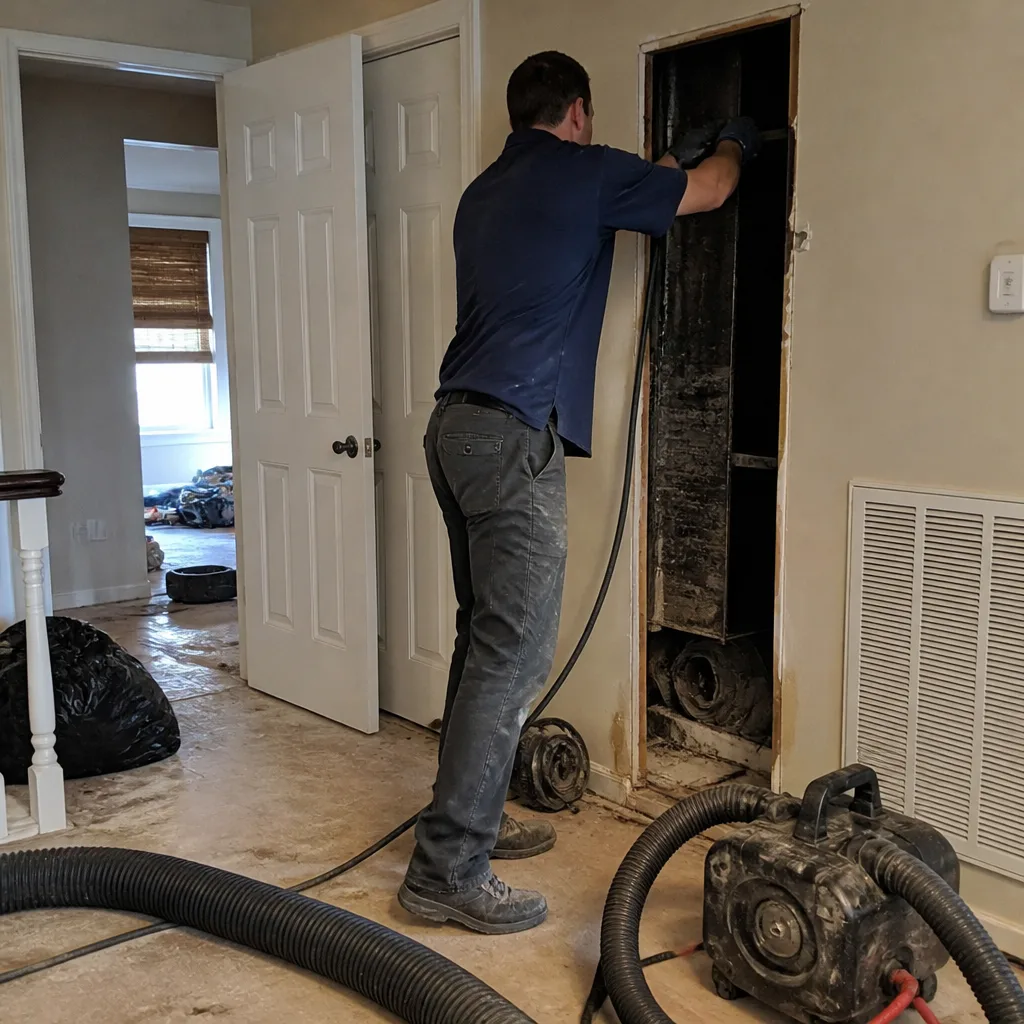 Before
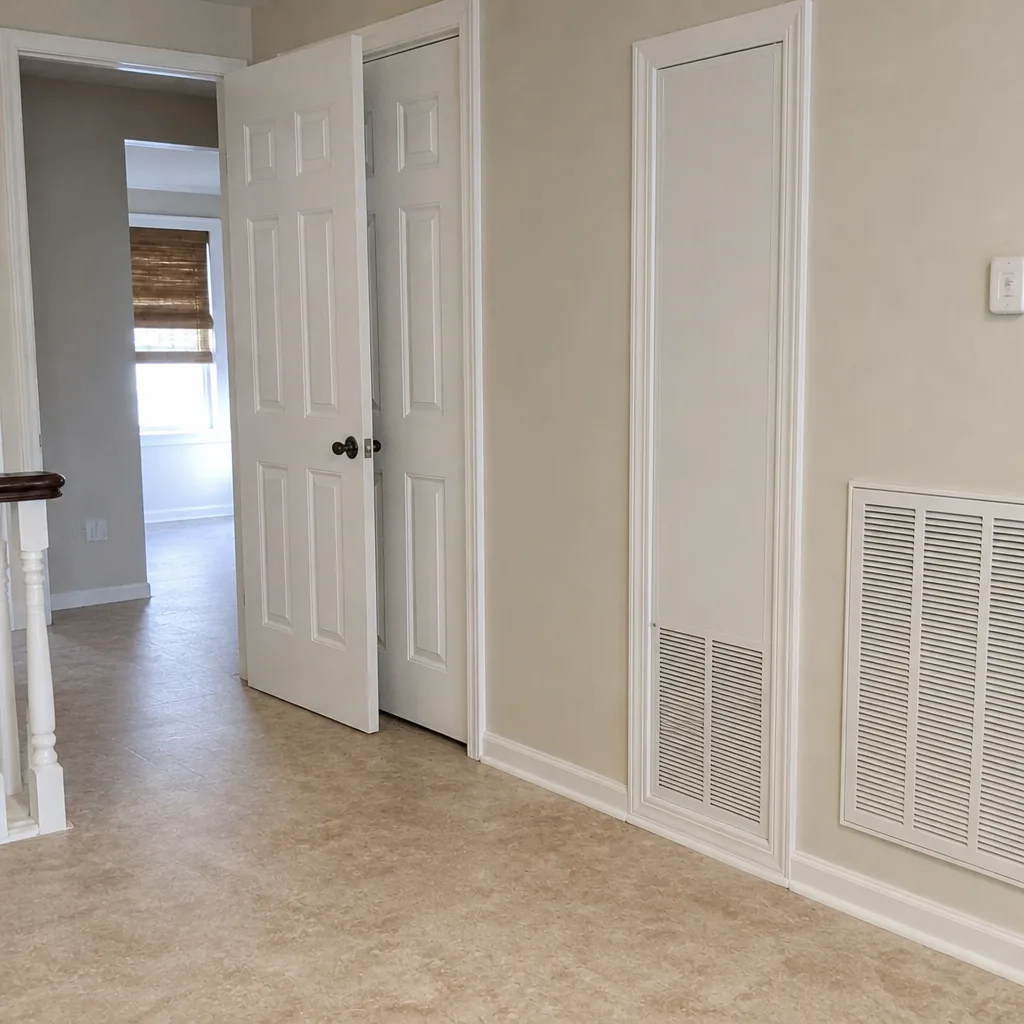 After
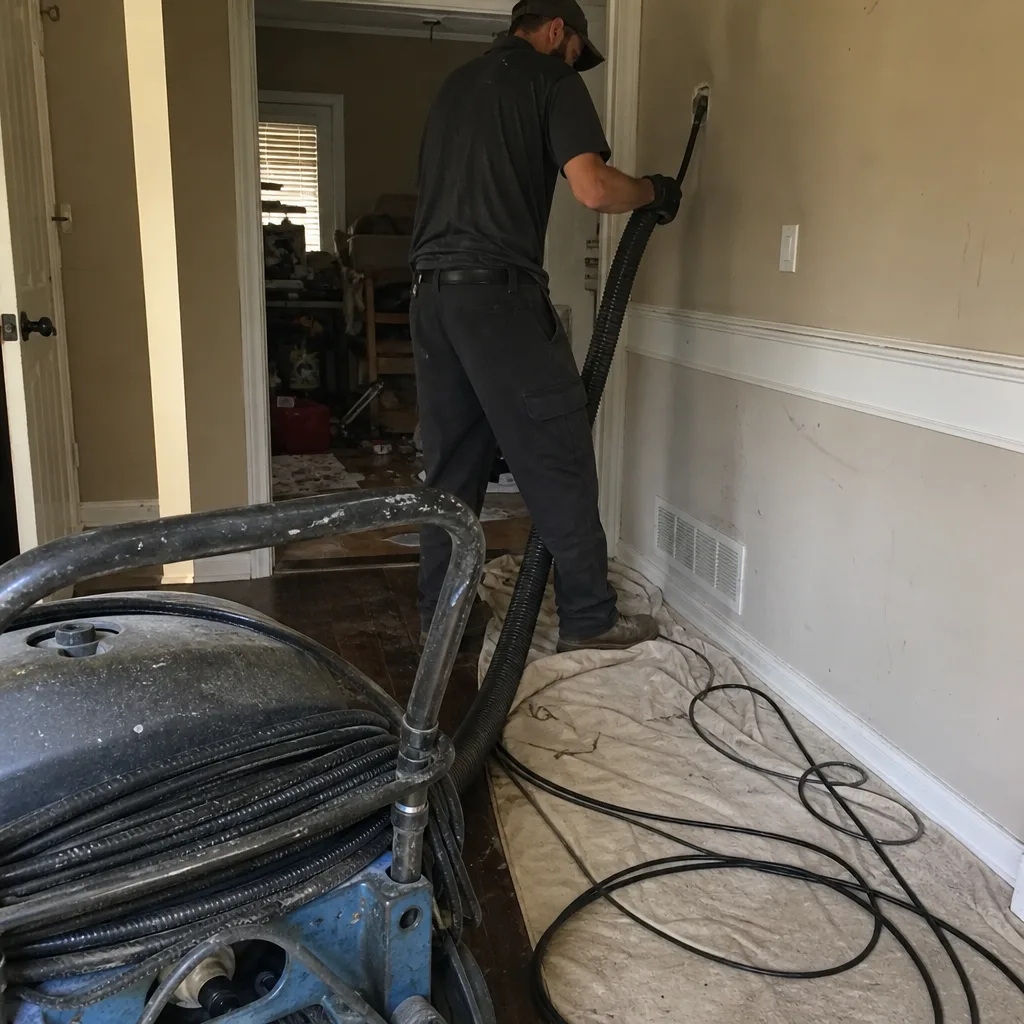 Before
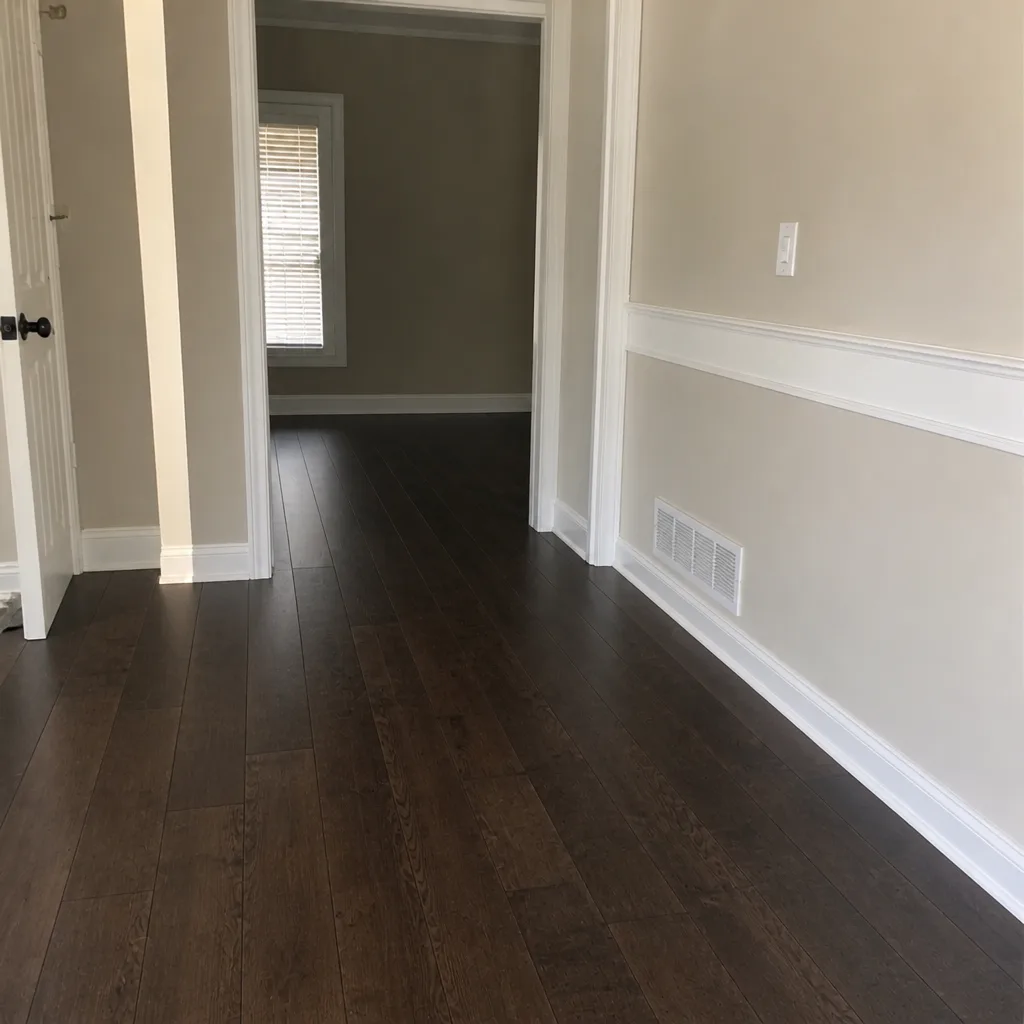 After
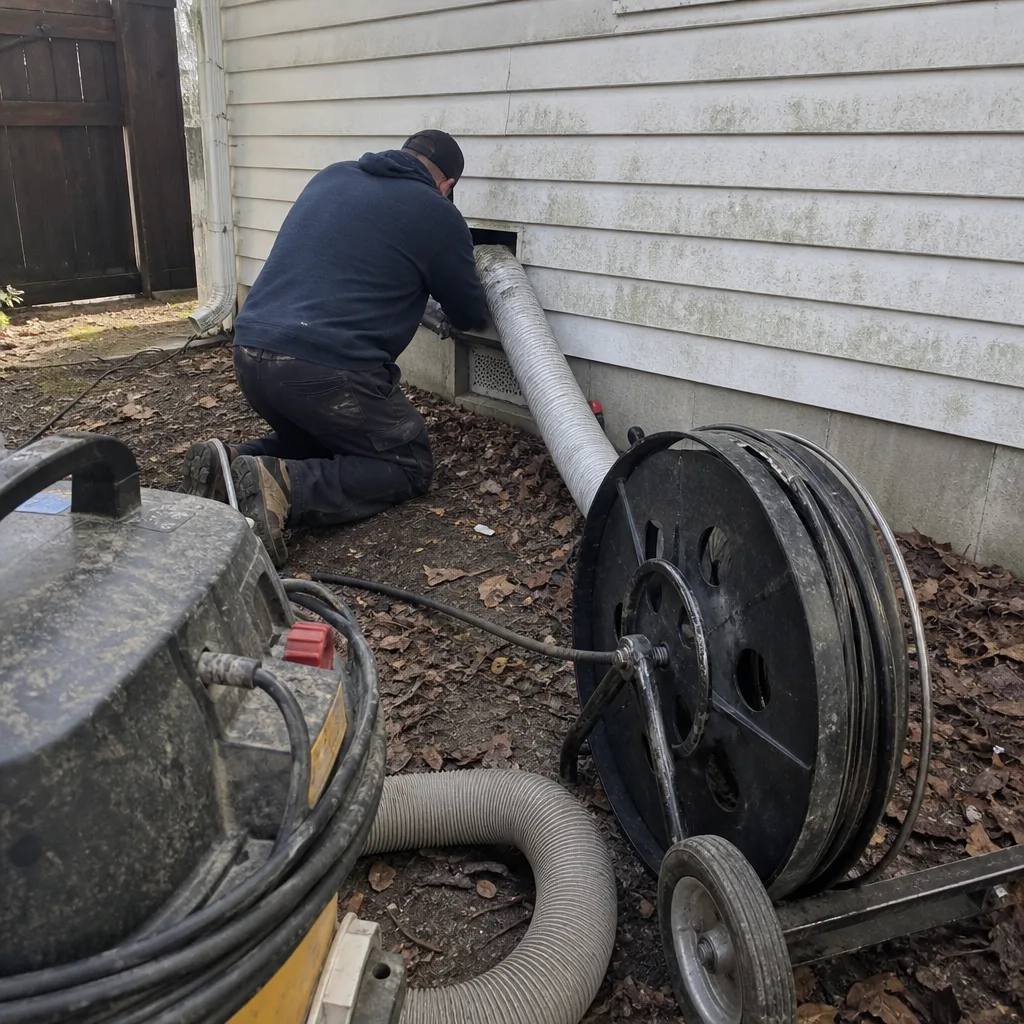 Before
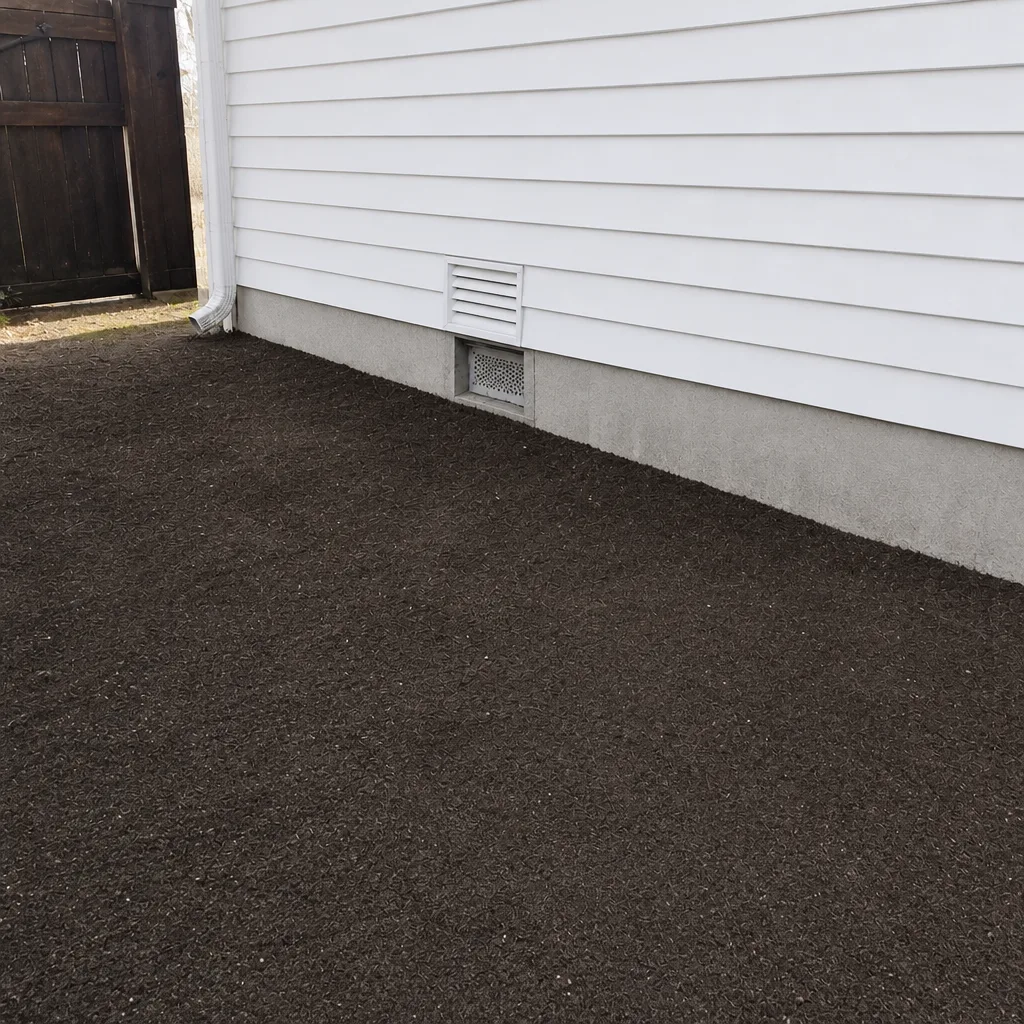 After
When to Call a Professional
Some signals are clear enough to act on without waiting for the system to get worse. A recent renovation, a musty smell that returns after cleaning, unexplained allergy symptoms that flare in one room, visible dust blowing from a return when the system kicks on, or an HVAC efficiency concern that a filter change didn’t fix are all good reasons to bring in a specialist. In SouthPark’s climate, the humid months are the ones to watch, because moisture problems at the coil and duct transitions compound quickly. If you’ve bought a home and don’t know when the ducts were last cleaned, a whole-system evaluation is a reasonable starting point. Air Duct Cleaning SouthPark offers free estimates in SouthPark with a fixed price per system, a written scope, and before-and-after photos of your own ducts. Call (833) 468-3043. We answer 24/7. Fast dispatch from 7am to 7pm, Sunday through Friday. Our technicians have up to 10 years of experience, and the local pro is fully insured as their state requires.
Frequently Asked Questions
A whole-system air duct cleaning in SouthPark typically runs several hundred dollars, priced per system rather than per vent. The final number depends on the home’s size, the number of branch runs, the air handler and coil condition, and whether sanitizing or repair is included. Call (833) 468-3043 for an exact quote, the estimate is free.
Cheap quotes are usually per-vent teasers that inflate once the technician counts your registers, or surface cleaning limited to the vent openings. A genuine source-removal job with contractor-grade equipment and air handler work costs more and delivers a complete clean. Call (833) 468-3043 for a fixed whole-system quote, the estimate is free.
You know it was done when the contractor shows you before-and-after photos or video of the duct interior, and when the written scope names the components that were cleaned. Insist on this documentation before the visit. Call (833) 468-3043 to talk through the process, the estimate is free.
For most SouthPark homes, a whole-system cleaning every few years is reasonable, and more often if there’s been a renovation, a moisture problem, or a system that’s running harder through our humid summers. A visible problem like musty odor or dust from the registers calls for a faster response. Call (833) 468-3043 for a free estimate.
No, NADCA membership is a private trade credential that signals alignment with the ACR Standard and a code of ethics, not a government license. North Carolina doesn’t require a dedicated license for air duct cleaning, so the hiring process is your filter. Call (833) 468-3043 for details on our process, the estimate is free.
A full-system provider can handle duct cleaning, dryer vent cleaning, HVAC cleaning including the air handler and coil, air quality and sanitizing, and duct repair and sealing in one visit, rather than dispatching separate contractors. Call (833) 468-3043 to schedule, estimates are free.
The Bottom Line
In a state where duct cleaning has no dedicated license, the hiring process is the quality filter, and it comes down to three things: verify source removal over surface cleaning, confirm the equipment (negative pressure, HEPA exhaust filtration, mechanical agitation), and insist on a written scope with before-and-after documentation before anyone starts. Compare quotes on scope and equipment, not on the opening number. Ask the five questions. Get the scope in writing. Then the job is straightforward. If you’re in SouthPark and want a contractor who runs the full-system process with contractor-grade equipment and a fixed price per system, call (833) 468-3043. We answer 24/7. Fast dispatch from 7am to 7pm, Sunday through Friday. Estimates are free.
Written by the team at Air Duct Cleaning SouthPark.