
Last updated November 24, 2026
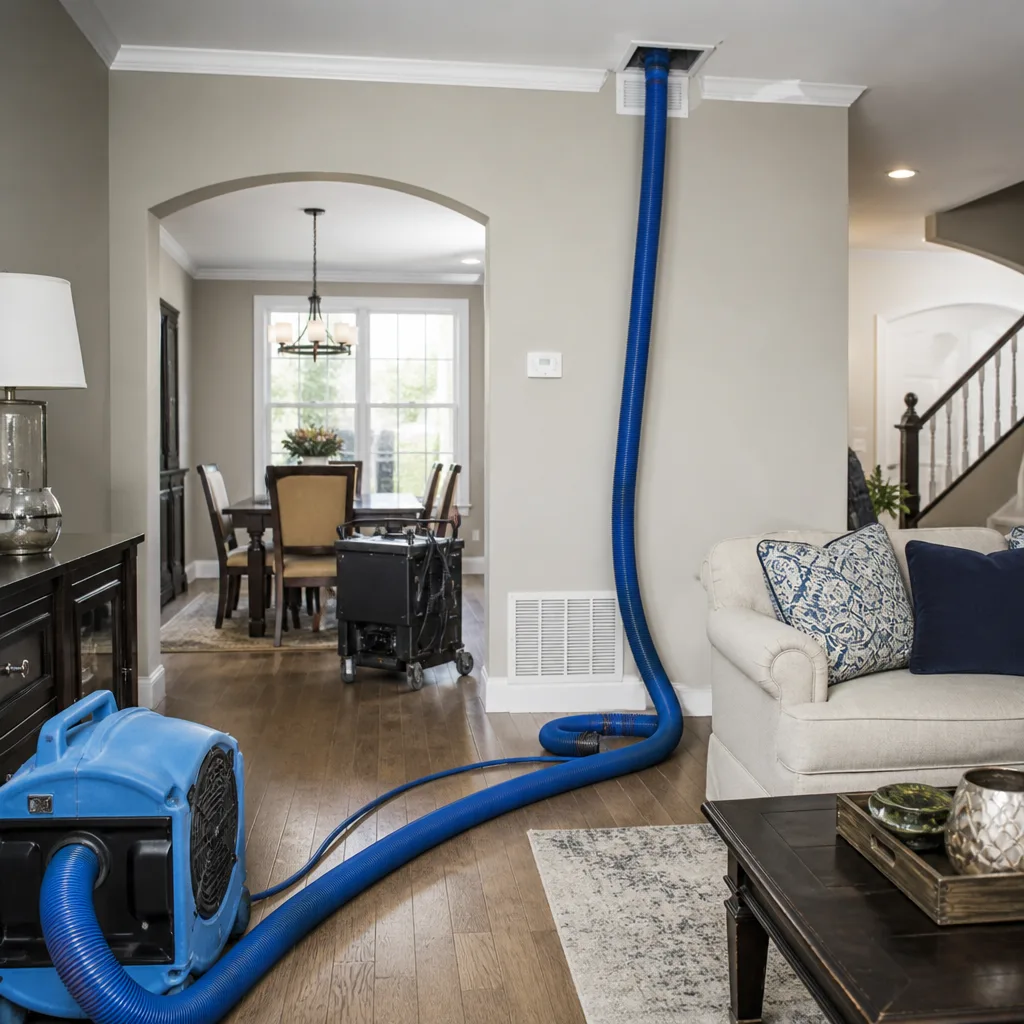 Whole-home duct cleaning
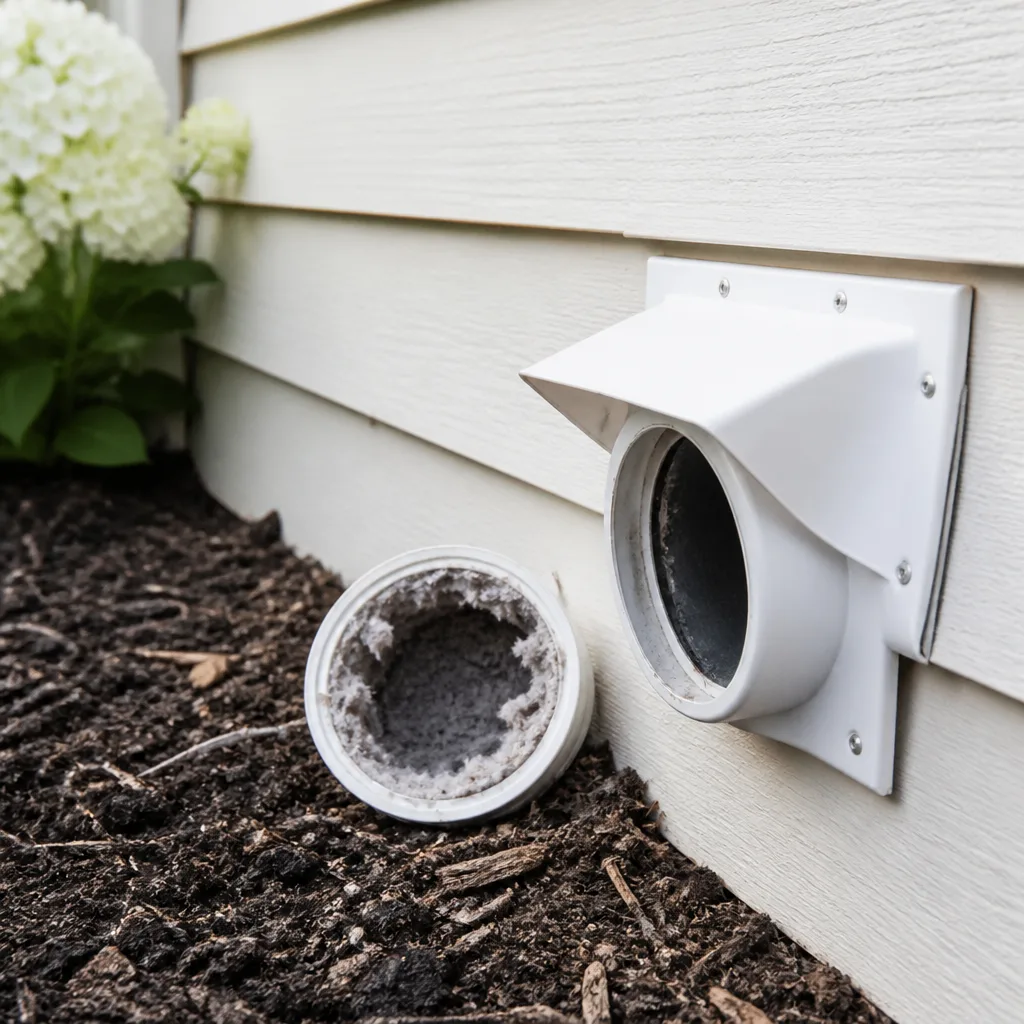 Dryer vent cleaning
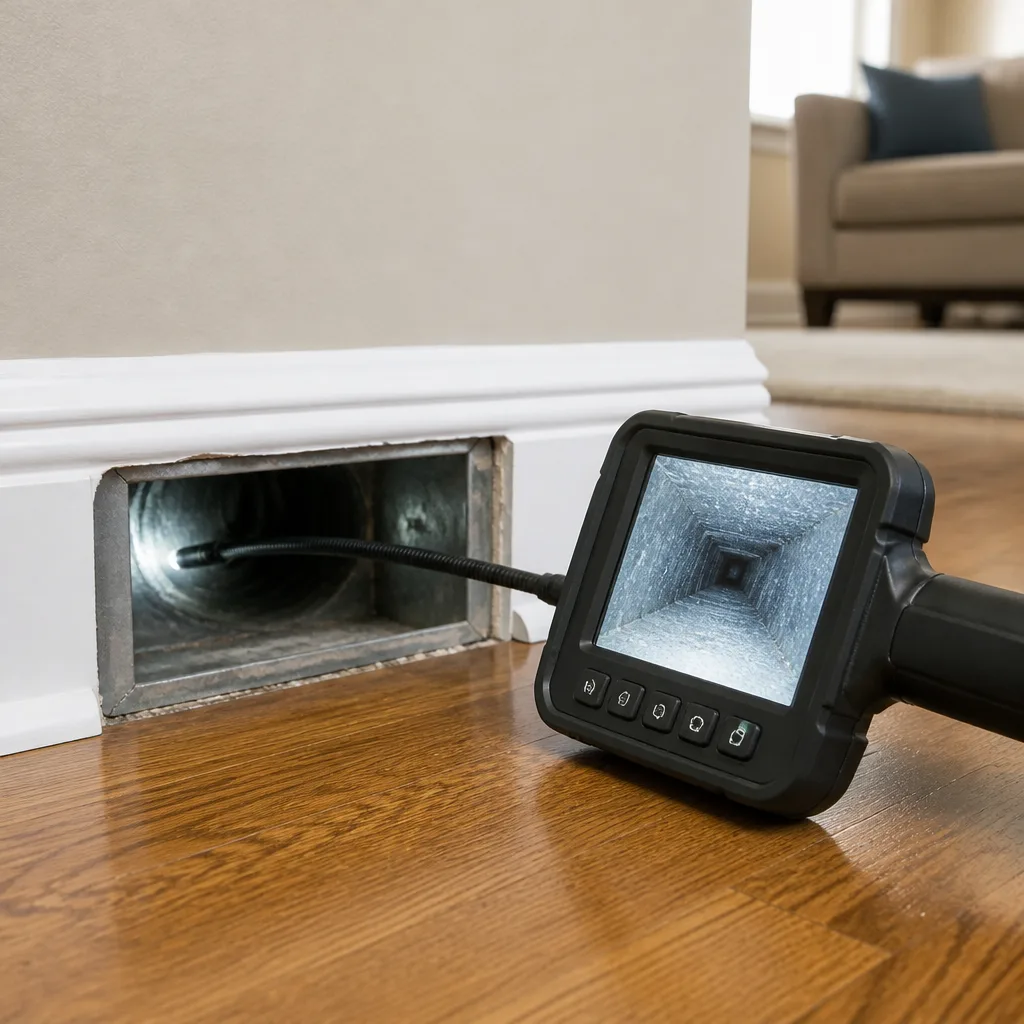 Camera inspection
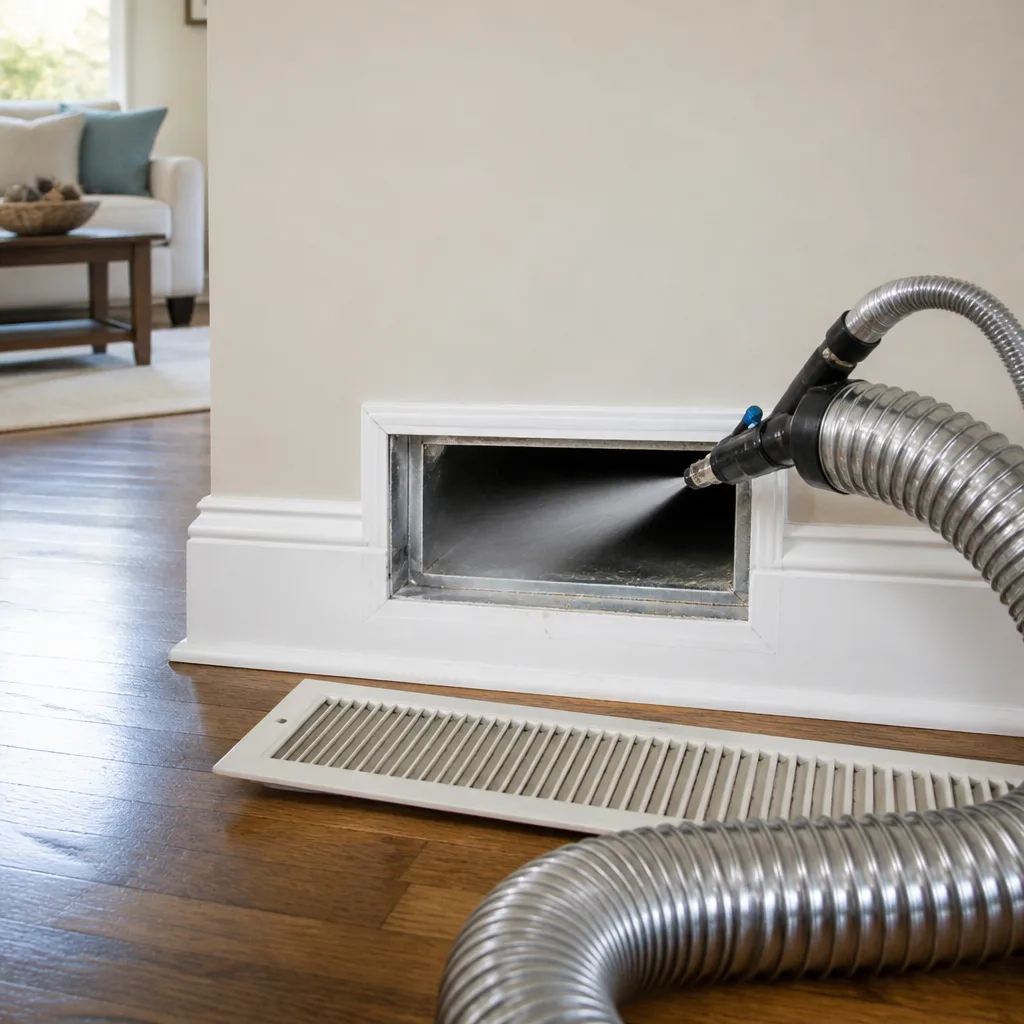 Sanitizing & deodorizing
Whole-system duct and dryer vent check with before-and-after photos - you see exactly what came out of your vents
That "$99 whole-house special" is a bait ad - the real number appears once they are in your hallway, or the "clean" is a shop-vac at the register. We photograph the inside of your ducts before and after instead.
Seasonal Air Duct Cleaning Care for SouthPark: Year-Round Homeowner’s Guide
Most seasonal HVAC advice was written for climates with cold, dry winters and a single hot stretch. SouthPark isn’t that climate. Our winters are mild and humid enough that condensation inside a poorly insulated duct run can happen in January just as easily as in July, which means the yearly duct calendar most homeowners follow is built for somewhere else. What actually matters here is the rhythm of a humid subtropical year: four distinct stress periods, each loading your ductwork and air handler in a different way. This guide walks you through all four, ties specific tasks to each season based on what the Charlotte-area climate genuinely does to ductwork, and shows you how to keep a simple seasonal log so a contractor can see what happened between visits.
Quick Answer
Air ducts in SouthPark need seasonal attention four times a year, with different priorities each season: pollen and filter loading in spring (March to May), condensation and microbial growth risk in summer (June to August), post-renovation contamination in fall (September to November), and dust mobilization when you switch to heating in winter (December to February). A full professional cleaning makes sense roughly every two to three years for most SouthPark homes, with an inspection each season and immediate service after any major renovation or before a new cooling season.
Styles & brands we work with
- Whole-home duct cleaning
- Dryer vent cleaning
- Camera inspection
- Sanitizing & deodorizing
Table of Contents
- Why SouthPark’s Climate Changes the Rulebook
- Spring (March to May): Pollen Loading and Pre-Cooling Checks
- Summer (June to August): Humidity, Condensation, and Microbial Risk
- Fall (September to November): The Renovation Season Trap
- Winter (December to February): Heating Season Dust Mobilization
- Building a One-Page Seasonal Log
- Inspect vs. Clean: What Each Season Really Needs
- Common Mistakes to Avoid
- When to Call a Professional
- Frequently Asked Questions
Why SouthPark’s Climate Changes the Rulebook
SouthPark sits in a humid subtropical band that most generic heating-and-cooling advice ignores. The conventional seasonal calendar was written with the assumption that cold, dry winters do half the work of controlling moisture for you. Here, they don’t. Relative humidity stays high enough through much of the year that duct runs in unconditioned attic or crawl spaces, and any supply run that isn’t well insulated or sealed, can collect condensation even in the cooler months. That’s the single biggest assumption vendors get wrong when they hand you a “clean your ducts every fall” pamphlet.
What that means in practice:
- Summer isn’t the only moisture season. Mild winters with high humidity keep condensation risk alive, especially in ductwork that passes through unconditioned space.
- Spring pollen in the SouthPark area loads filters and registers faster than homeowners expect, and most people wait a month too long to change filters.
- Fall renovation activity is heavy in SouthPark’s residential corridors, and construction dust is one of the most common reasons ducts need service in this neighborhood.
- Winter’s heating cycle kicks dry dust off the duct lining and circulates it more aggressively than cooling season does, because heated air is moving faster and drier.
If you’re new to the area or just want a baseline, our air duct cleaning page explains what a full-system service covers. But the seasonal rhythm below is the part that keeps a SouthPark home in good shape year-round, and it’s what most homeowners never get explained to them properly.
Spring (March to May): Pollen Loading and Pre-Cooling Checks
Spring in SouthPark is a two-phase problem. First comes a heavy pollen load. Second comes the moment you switch the system from heating to cooling and ask ducts that have been carrying dry, heated air all winter to suddenly handle cold, wet air. Both phases need attention before summer humidity arrives, because once the system is running with condensation on the supply side, anything that was sitting in the ducts gets a favorable environment to grow.
What to do in spring
- Change filters early and more often. During peak pollen, most SouthPark homes get more life out of a higher-MERV filter swapped every four to six weeks than a cheap one left in for three months. Don’t stack two filters; a single well-sealed one works better than two that fight each other for airflow.
- Inspect the registers and return grilles. Pollen and dust collect visibly on grilles before it collects inside the ducts. If grilles are visibly loaded, that’s your prompt to schedule a professional inspection.
- Check the condensate drain pan and drain line before cooling starts. A clogged drain line at the start of summer is one of the most preventable service calls in the trade. A professional cleaning inspection in spring catches it while it’s still a $0 problem.
- Look at the evaporator coil. A coil with visible dust film or biological growth at the start of the cooling season reduces efficiency all summer. This is the reason we run our HVAC cleaning inspection before the first sustained warm spell.
- Check insulation on supply runs in unconditioned spaces. Any duct run with torn, compressed, or slipping insulation is going to sweat in July. Get it fixed in April.
Spring is also the season to book a full cleaning if it’s been more than two to three years, or if you’ve never had the ducts cleaned since you moved into the home. Doing the work before cooling season means you start the summer with a clean air path instead of cleaning up after a humid summer has been pushing air through loaded ducts for three months.
Summer (June to August): Humidity, Condensation, and Microbial Risk
Summer in SouthPark is the season for two linked problems: supply duct condensation and the microbial growth that follows a persistently damp duct environment. When relative humidity sits high through the summer months and your air conditioner is running constantly, the supply ducts are carrying cold air into spaces that are both warm and humid. Any duct that isn’t sealed and insulated properly, and any plenum or plenum-adjacent fitting with a gap, will sweat. Sweat on the interior of an air path means the dust that was already there has a water source.
This is where contractors who just show up with a vacuum miss the point. Cleaning removes the visible debris; it doesn’t stop the moisture that will bring the problem back. That’s why we do repair and sealing alongside cleaning rather than instead of it, and why we use Abatement Technologies filtration during service so the debris and microbial material get contained, not just stirred up and redistributed through the house.
Summer tasks that actually matter
- Check for condensation at the supply registers and near plenum fittings. Visible moisture at a register is a signal that the duct run behind it has a problem.
- Run your system with the fan on “auto,” not “on.” A continuously running fan keeps pulling humid air from the return side through the whole system even when cooling isn’t running. “Auto” gives the coil time to dry between cycles.
- Watch for the musty smell. A musty smell after a stretch of high humidity almost always traces to a wet spot somewhere in the air handler or a wet filter, not just “old air.” Take it seriously.
- Check the drain pan again. Summer is when a slow drain line clogs and the pan overflows. An inspection now prevents an expensive replacement of a rusted cabinet.
- Consider a whole-home air filtration partner. We work with Honeywell and Aprilaire products, and both are commonly fitted when a homeowner wants a higher-efficiency filter that doesn’t choke airflow inside the duct system.
If your home has visible condensation on the outside of supply ducts in the attic in July, don’t wait for the fall cleaning appointment. That’s a duct sealing job, not a duct cleaning job, and it’s worth having looked at before the next humid stretch.
Fall (September to November): The Renovation Season Trap
Fall is the highest contamination-risk period in SouthPark for a reason most homeowners don’t connect: it’s when renovation work gets finished. A kitchen or bathroom remodel stretches through late summer, the contractors move out, and the homeowner books the duct cleaning last because it feels like the final “cleanup” step. That’s an assumption that costs money. Construction dust, drywall dust, fiberglass fibers, and sawdust that got pulled into the return side during the remodel are already distributed through the air path by the time the work is done. By fall, that debris has been cycling through the house for weeks.
What to do in fall
- Book the cleaning before the renovation dust settles, not after. If you know a remodel is happening, put a filter-and-register check on the contractor’s punch list, and book your duct service for the week the work comes down.
- Have the filters changed immediately after any major interior work. Drywall dust shreds filter life. A filter that had two months left in it has about two weeks after a remodel.
- Inspect for debris that escaped the containment. Look at return grilles, register boots and the return-side plenum. If you can see construction debris there, it’s in the ducts too.
- Check the duct system for gaps that opened during work. Contractors moving through attics and crawl spaces regularly tear or pull loose duct connections. A quick inspection before heating season is worth the trip.
- Address any sealing you’ve been putting off. Leaky return runs pull air from whatever space they pass through, including a dusty crawl space or a recently remodelled room. Sealing before the heating season gets you the full efficiency gain from the work.
Fall is also the right season to schedule a full five-service assessment if you haven’t had one: duct cleaning, dryer vent, HVAC coil and air handler, air quality and sanitizing, and a duct sealing review. Doing all five together means you’re starting heating season with one clean, verified air path rather than a to-do list split across four contractors.
Winter (December to February): Heating Season Dust Mobilization
Winter is the season when dust that has been sitting quietly in your ducts all year gets mobilized. Heat pumps and furnaces push more air at higher temperatures through the system, and that warmer, drier air lifts deposited dust off duct surfaces more readily than the cooler air of cooling season did. If your ducts are due for a cleaning and you wait until next spring, you’ll breathe that dust all winter.
What to do when you switch from cooling to heating
- Change the filter at the switch-over, not on the calendar. The first week of heating mode is when the system clears the accumulated dust of the cooling season. That’s the filter’s hardest week.
- Listen to the system on the first heat call. A blower that sounds louder than usual at the start of heating season may be fighting a restricted filter or a partially blocked return. Worth a professional look.
- Check the air handler and blower wheel. A blower wheel that’s been loaded with dust through the summer reduces airflow in heating season and directly raises your heating cost. The blower wheel is one of the parts our technicians check first in winter, and it’s a big reason HVAC cleaning belongs in the seasonal calendar.
- Inspect the condensate system. Even in winter, a heat pump in SouthPark runs frequently enough that the drain system matters. A dry trap or a slow drain line is a January problem waiting to happen.
- Look for signs of moisture in the air handler. Insulation that has been wet is visible as dark patches or felt-soft areas. That’s a sealing or repair job before spring.
If you have a heat pump, understand what the switch-over actually does: the reversing valve changes which coil is the evaporator and which is the condenser. Any debris on either coil is now going to be run over in the opposite direction. A quick inspection by a professional when you switch modes is the cheapest way to catch a problem while it’s still small.
Building a One-Page Seasonal Log
Most homeowners have no record of what their system did between service visits, which means every contractor starts at zero. A one-page seasonal log fixes that. It takes about five minutes per season and saves hours of diagnostic guessing later, because the log gives the next contractor a starting point instead of a blank slate. In SouthPark terms, it’s the difference between “probably needs a cleaning” and “your supply ducts are sweating again, so the sealing we did in the fall has begun to fail.”
What belongs on the log
- Date and filter change. Note the date and filter type. That’s the simplest humidity-and-load clue a contractor has.
- Season and system mode. Was the system on cooling or heating when you noticed something? Note the date of the switch-over.
- Outdoor conditions. Just a quick note: “humid stretch,” “very dry,” “rain for a week.” That ties your observations to actual weather, not guesses.
- Symptoms observed. Musty smell, uneven cooling, noise at the register, dust on furniture after a week. Note the room, not just the problem.
- Work done. Any change to the system: a new filter, a duct that was taped, a register that was moved. Note who did it (contractor category, not name).
- Photos. One phone photo of each register before you clean or service, one after. That’s your before-and-after for the next conversation.
Bring the log to any service visit. It doesn’t replace a professional inspection, but it lets the contractor use the visit for diagnosis instead of investigation, and that usually means less time and lower cost overall. If you use Aprilaire or Honeywell air quality products, note the model and last filter change in the log too, so replacements aren’t guesswork.
Inspect vs. Clean: What Each Season Really Needs
Not every season requires a full duct cleaning. Most SouthPark homes need a full cleaning every two to three years, with a professional inspection each season and additional service after any renovation or before any major seasonal switch. The trick is knowing what job belongs in which season, because doing a full cleaning once a year isn’t how you protect a duct system in this climate. Fixing the seam that’s causing condensation is.
| Season | Inspection priority | Full cleaning? | Repair/sealing? |
|---|---|---|---|
| Spring (Mar – May) | Coil and drain pan before cooling loads increase; supply duct insulation | Yes, if >2 years or never done | Address loose insulation and any obvious duct gaps before cooling season |
| Summer (Jun – Aug) | Supply-side condensation and musty smell | Usually no; only if the system has been running with visible moisture | Yes; condensation is a sealing problem, not a cleaning one |
| Fall (Sep – Nov) | Post-renovation debris; return-side plenum | Yes, always after a major remodel | Inspect for connections pulled loose during remodel |
| Winter (Dec – Feb) | Blower wheel, air handler, filter at switch-over | Yes, if the ducts are due before heating season | Repair any wet insulation or open seams before spring |
Reading that table, one thing jumps out: cleaning and sealing are two different jobs timed to two different seasons. Cleaning is about removing what’s already there and belongs mostly in spring, fall, and the front end of winter. Sealing belongs where moisture risk is highest, which is spring and summer for supply runs in unconditioned space.
See the difference
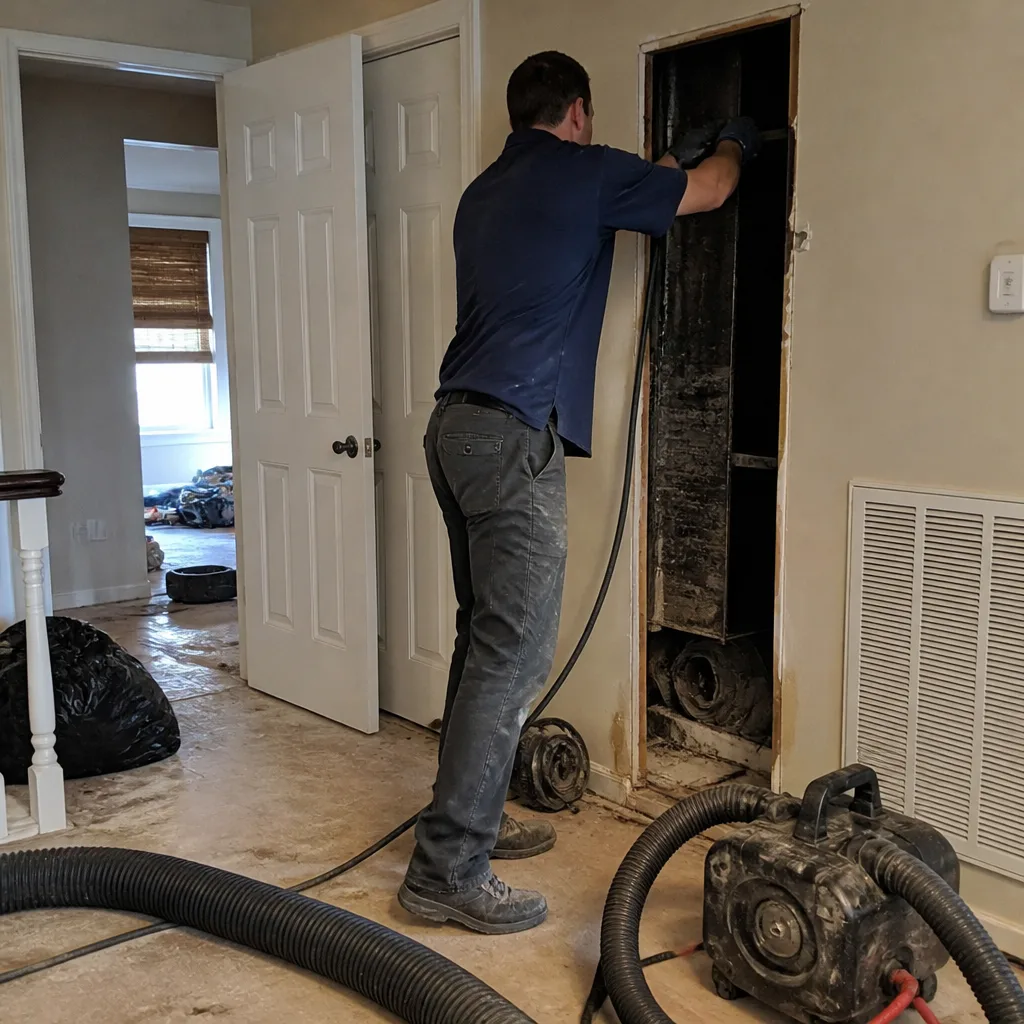 Before
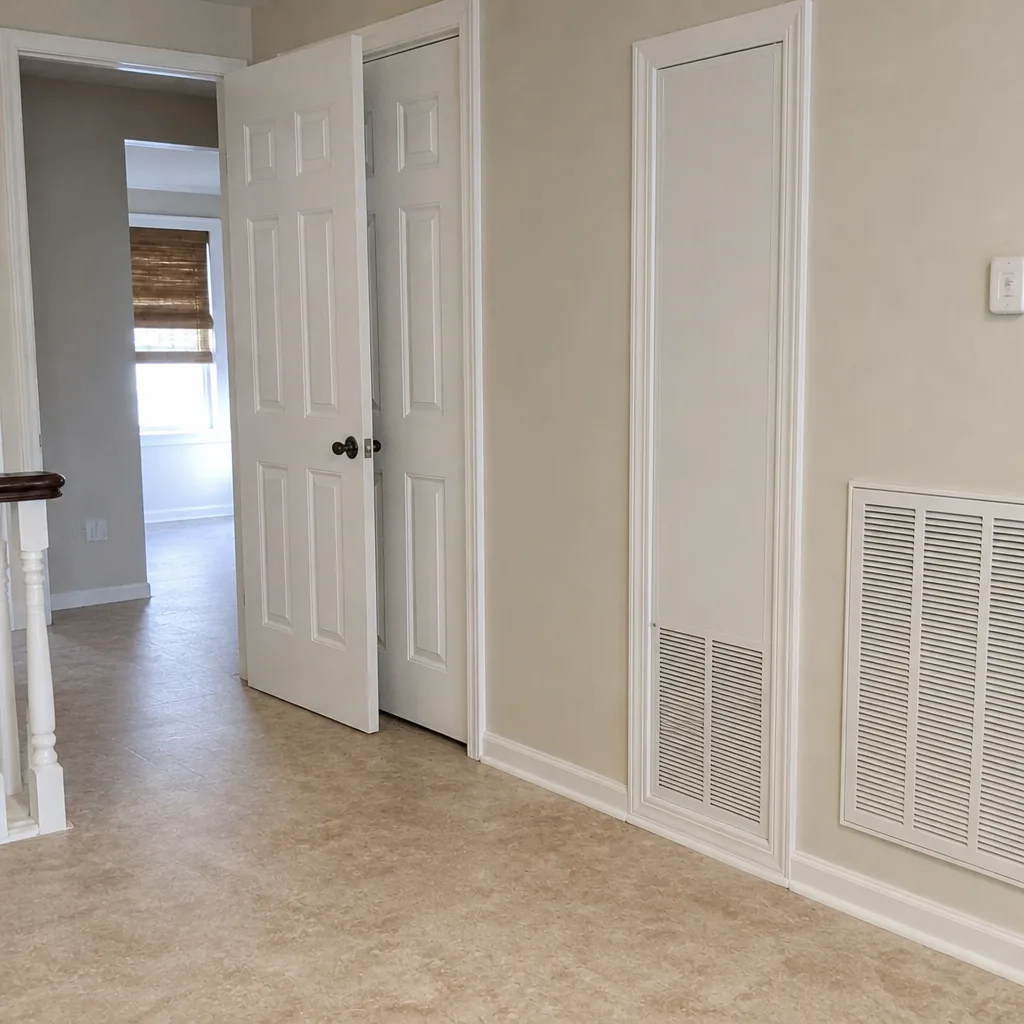 After
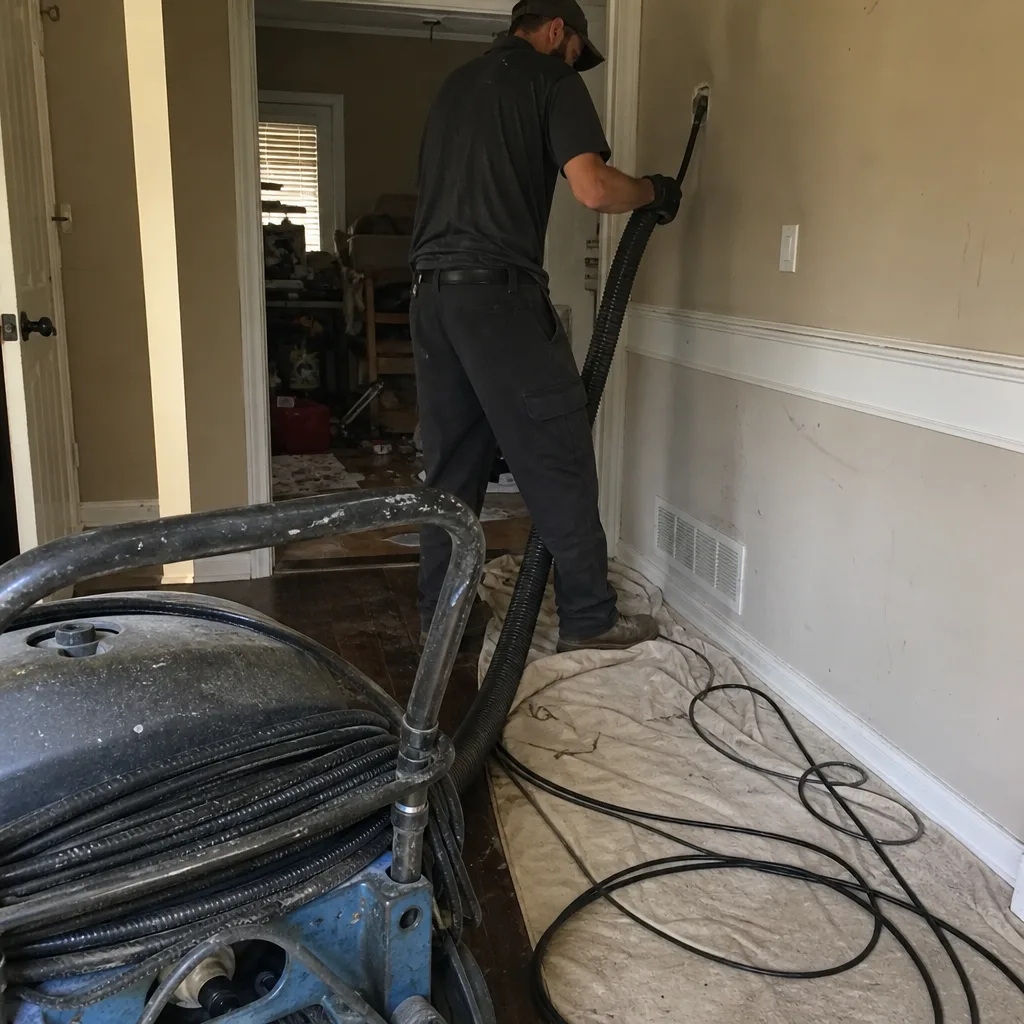 Before
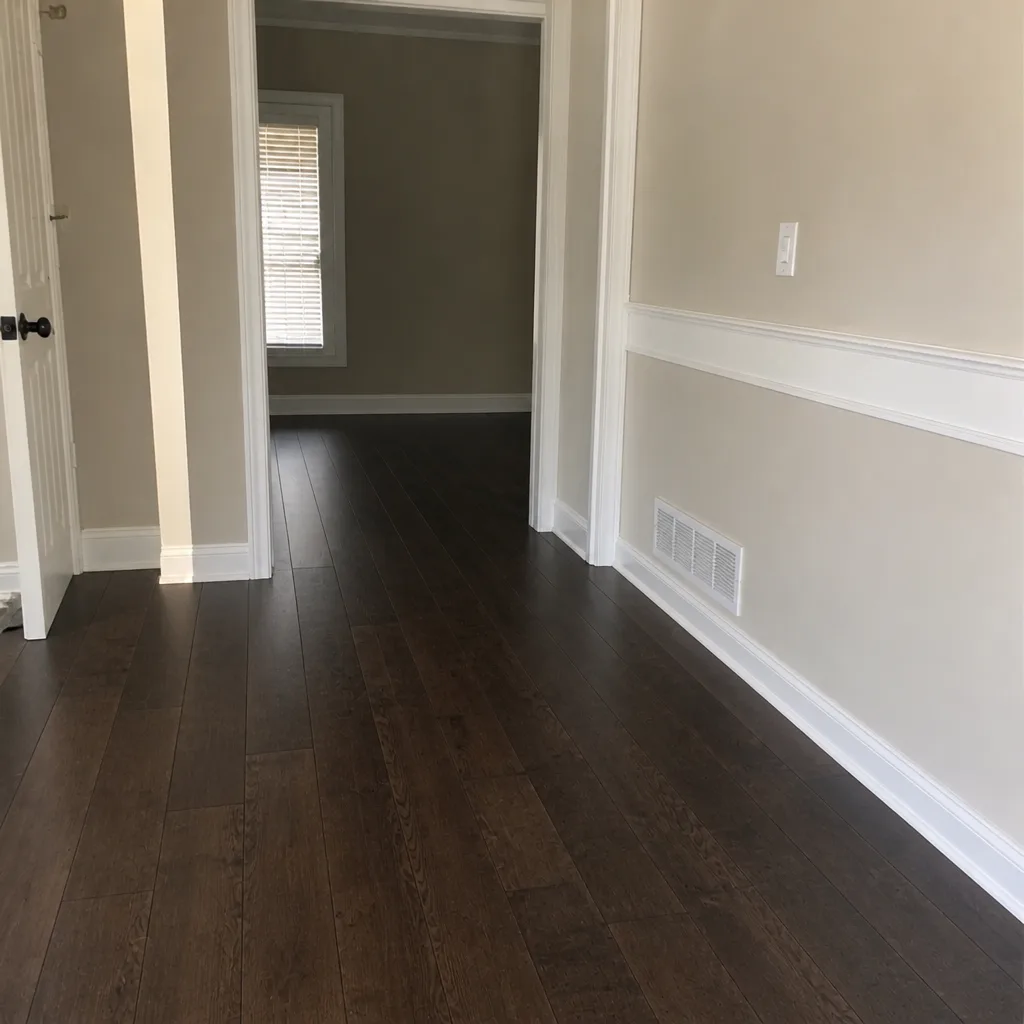 After
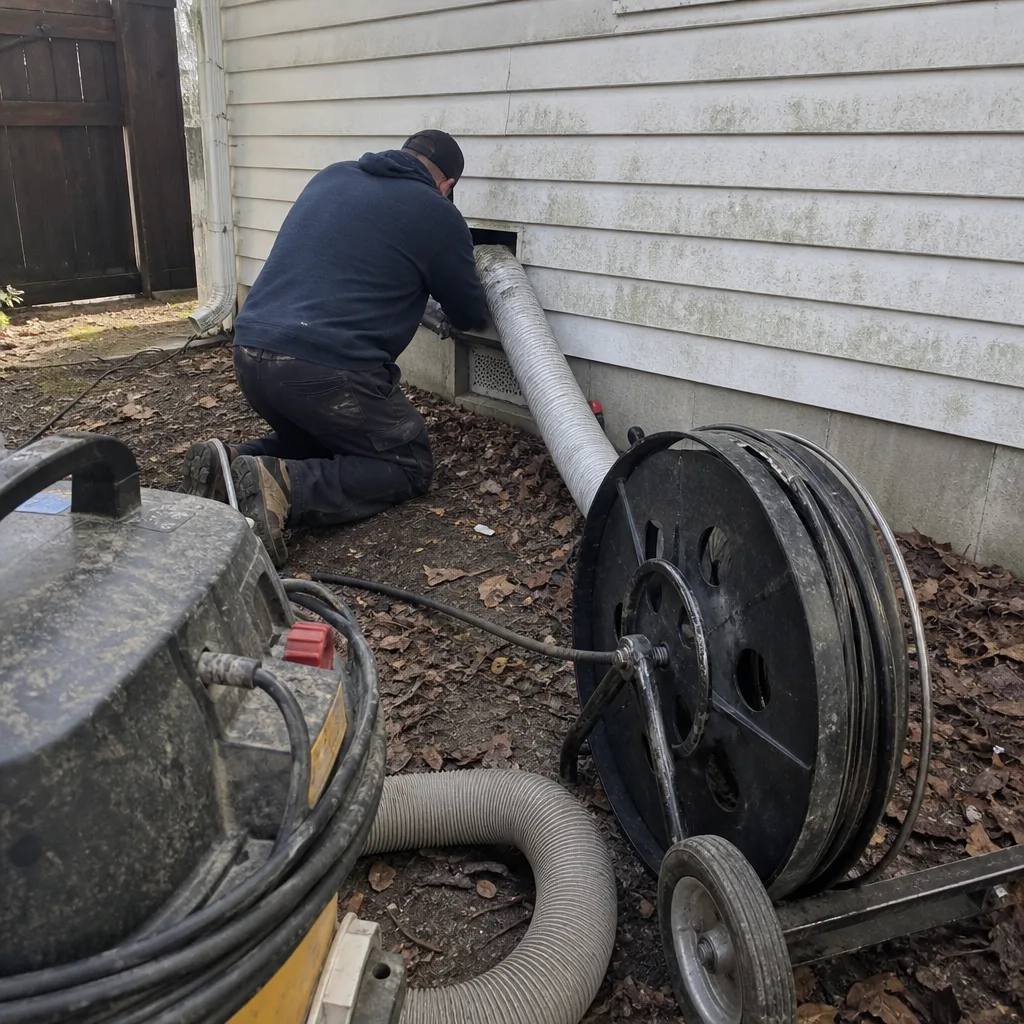 Before
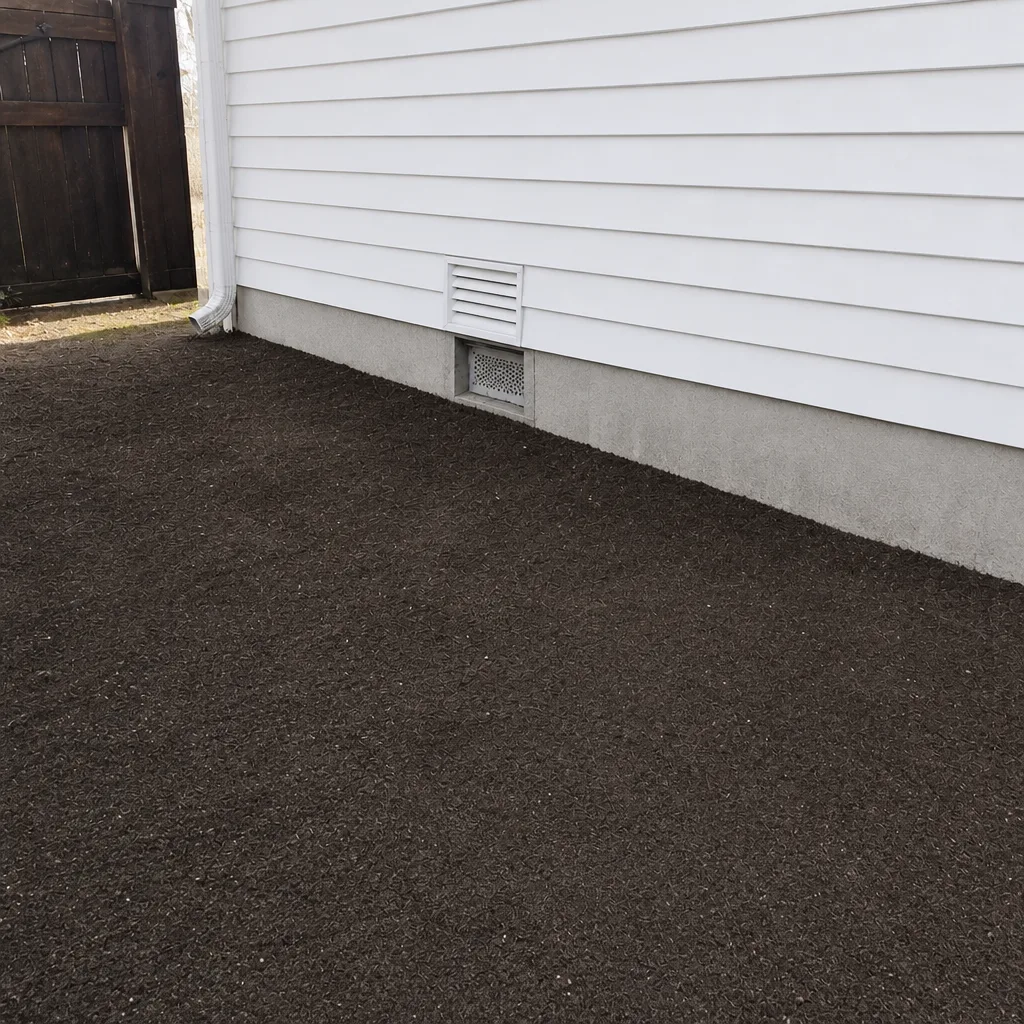 After
Common Mistakes to Avoid
- Following a “clean every fall” calendar written for a dry climate. A SouthPark home has humidity pressure in every season, so a single annual cleaning doesn’t match what the climate actually does.
- Ignoring condensation because “it’s just a little water.” A little water inside a duct is enough to grow the microbial growth you’re trying to avoid. Treat visible moisture as a sealing problem and deal with it the week you notice it.
- Booking a cleaning with no inspection of the air handler. If the cleaning crew never opens the air handler to look at the blower wheel and coil, they’re cleaning the parts of the system you can see and skipping the parts that are actually loaded.
- Not sealing after cleaning. Cleaning without addressing a leaking seam or disconnected joint means the contamination comes back. Two tasks, two visits if needed.
- Skipping the post-renovation cleaning until the “next time.” Drywall dust and fiberglass in the ducts is a health and efficiency issue that gets worse with time, not better.
- Assuming drying racks and humidifiers count as air quality work. Whole-home IAQ products like Honeywell and Aprilaire solutions are fitted for a reason; a portable humidifier in one room doesn’t offset a duct system that’s pulling humid air from a crawl space.
- Never writing anything down. Without a seasonal log, every service visit is a cold start and every prior observation gets lost.
When to Call a Professional
Book a professional inspection in SouthPark if you notice any of the following: visible condensation at supply registers or ductwork, a musty or damp smell that shows up when the system runs, a filter that plugs up faster than it used to, dust settling on furniture within days of cleaning, or a noticeable airflow drop between rooms. Call after any renovation or construction work in the home, before the first cooling season in a new build, and whenever your seasonal log shows symptoms repeating in the same room.
Our technicians have up to 10 years of experience working with Rotobrush and Nikro systems, and a full-system visit covers air duct cleaning, HVAC cleaning, air quality and sanitizing, dryer vent cleaning, and duct repair and sealing, so a single visit identifies everything. Air Duct Cleaning SouthPark offers free estimates in SouthPark. Call (833) 468-3043. We answer 24/7. Fast dispatch from 7am to 7pm, Sunday through Friday.
Frequently Asked Questions
Most SouthPark homes do best with a full duct cleaning every two to three years, plus an inspection each season and additional cleaning after any renovation or before any major seasonal switch. The humid subtropical climate here keeps dust and moisture cycling through the system most of the year, so a single annual visit isn’t enough. Call (833) 468-3043 for an exact schedule based on your home; estimates are free.
Because SouthPark’s winters stay humid enough that condensation risk inside a poorly insulated or leaking duct run never really goes away. In a dry climate you can rely on winter to dry things out. Here you can’t, which means sealing and insulation problems show up year-round, not just in summer. If you’re seeing moisture at any register, treat it as a sealing problem first.
It’s the highest-risk season when a remodel has happened over the summer. Construction dust, drywall fibers, and sawdust get pulled into the return side during the work, then cycle through the house for weeks before most homeowners book the cleaning. If a SouthPark home had major interior work over the summer, book the cleaning in fall rather than waiting for spring.
The reversing valve swaps the roles of the indoor and outdoor coils, which changes which surfaces carry condensation and which carry dry heat. Dust and debris on either coil get run in the opposite direction, which is why the switch-over week is a good time for a filter change and a quick professional inspection. It’s the cheapest injury-prevention visit of the year on a heat pump system.
A one-page seasonal log saves real time and cost on every future service visit. It gives a contractor actual observations and dates instead of a vague description, which often means faster diagnosis and less investigative time. Five minutes per season is enough.
They can be scheduled close together and often are, but they’re distinct jobs and some situations call for sealing first. Cleaning removes what’s there; sealing stops what’s causing moisture and contamination in the first place. The right order depends on what the inspection turns up. Call (833) 468-3043 and we’ll talk through which job belongs where in your home; estimates are free.
The Bottom Line
SouthPark’s humid subtropical climate creates four distinct duct stress periods, and the tasks that matter in each one are different. Spring is about pollen and pre-cooling checks, summer is about condensation and sealing, fall is about renovation debris, and winter is about heating-cycle dust and blower inspection. Build a one-page seasonal log, schedule a full cleaning every two to three years, and get sealing handled whenever moisture shows up. For the dryer vent side of the system, our dryer vent cleaning service covers the leading household fire-risk component alongside your air quality work. One specialist can handle every component: cleaning, sanitizing, repair, and sealing, done with contractor-grade equipment. Call (833) 468-3043 for a free estimate.
Written by the team at Air Duct Cleaning SouthPark.