
Last updated November 24, 2026
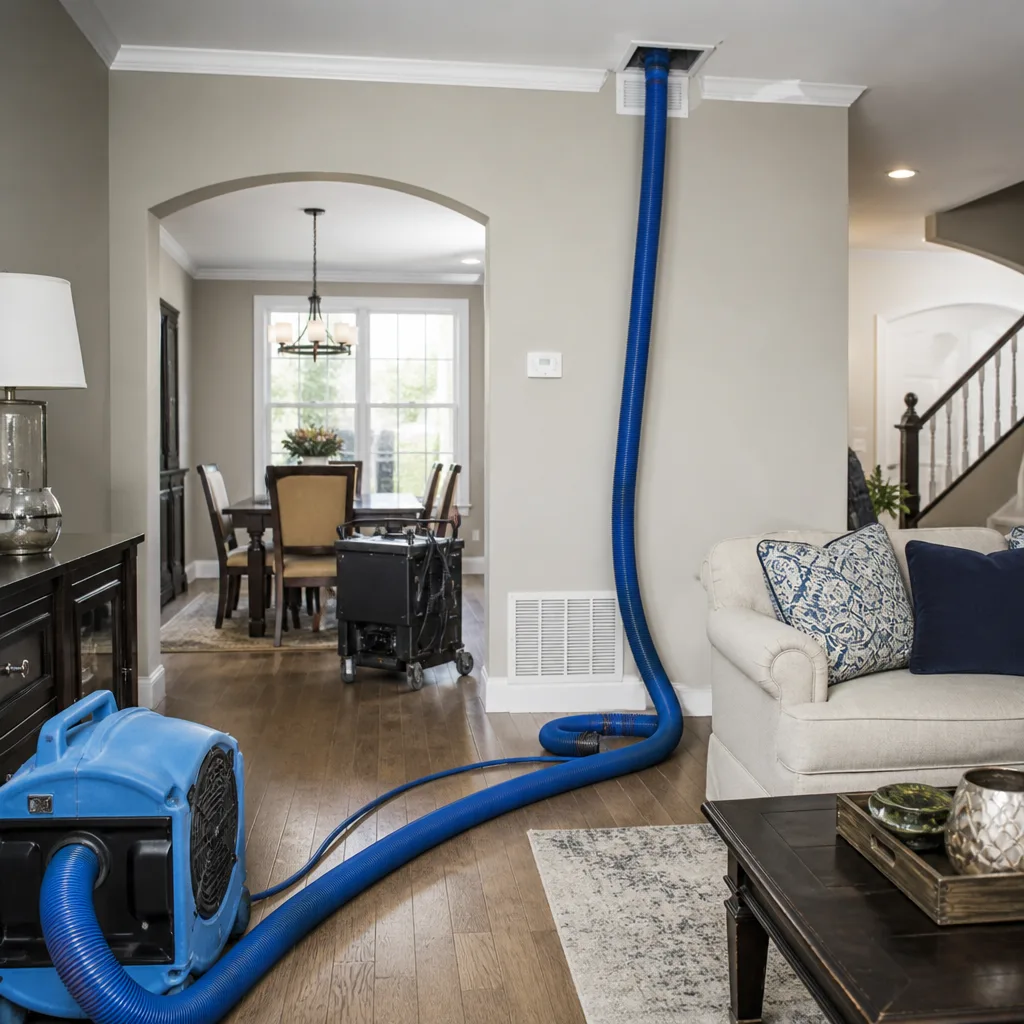 Whole-home duct cleaning
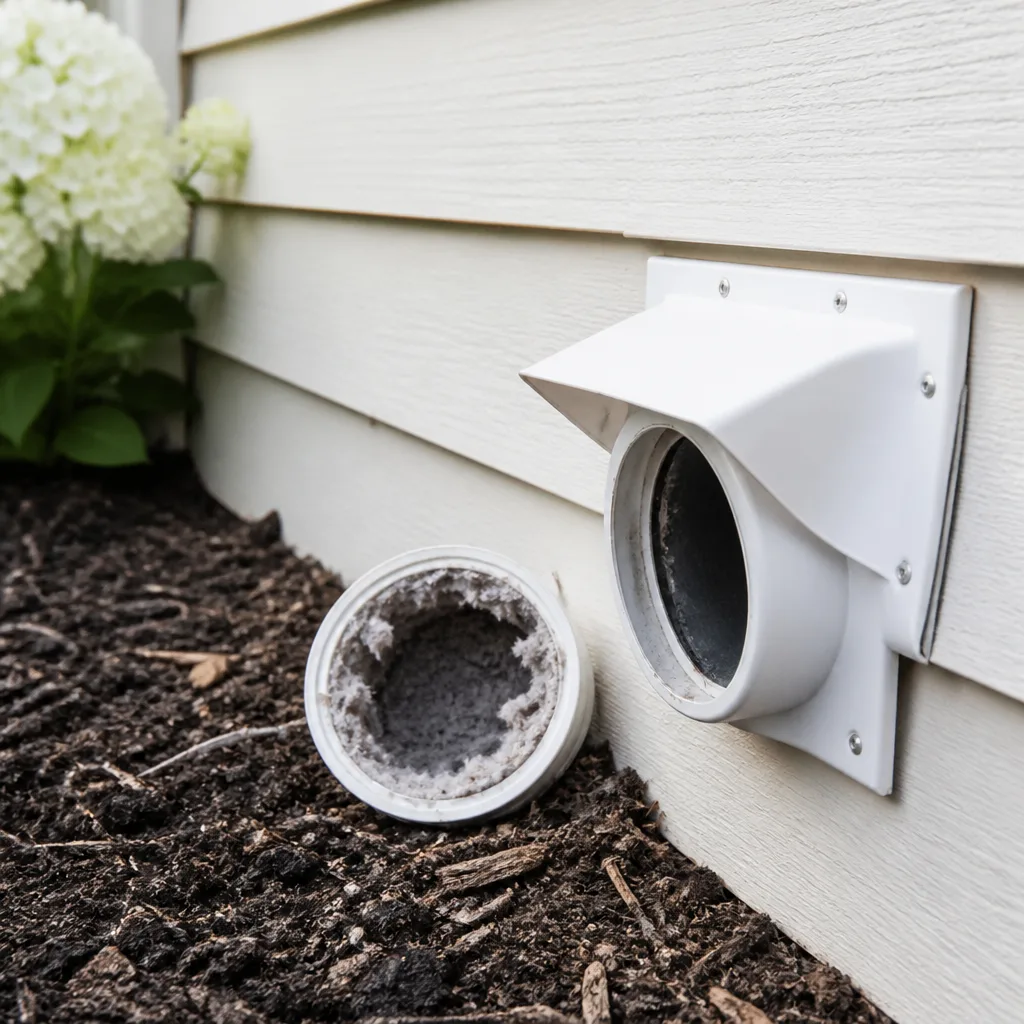 Dryer vent cleaning
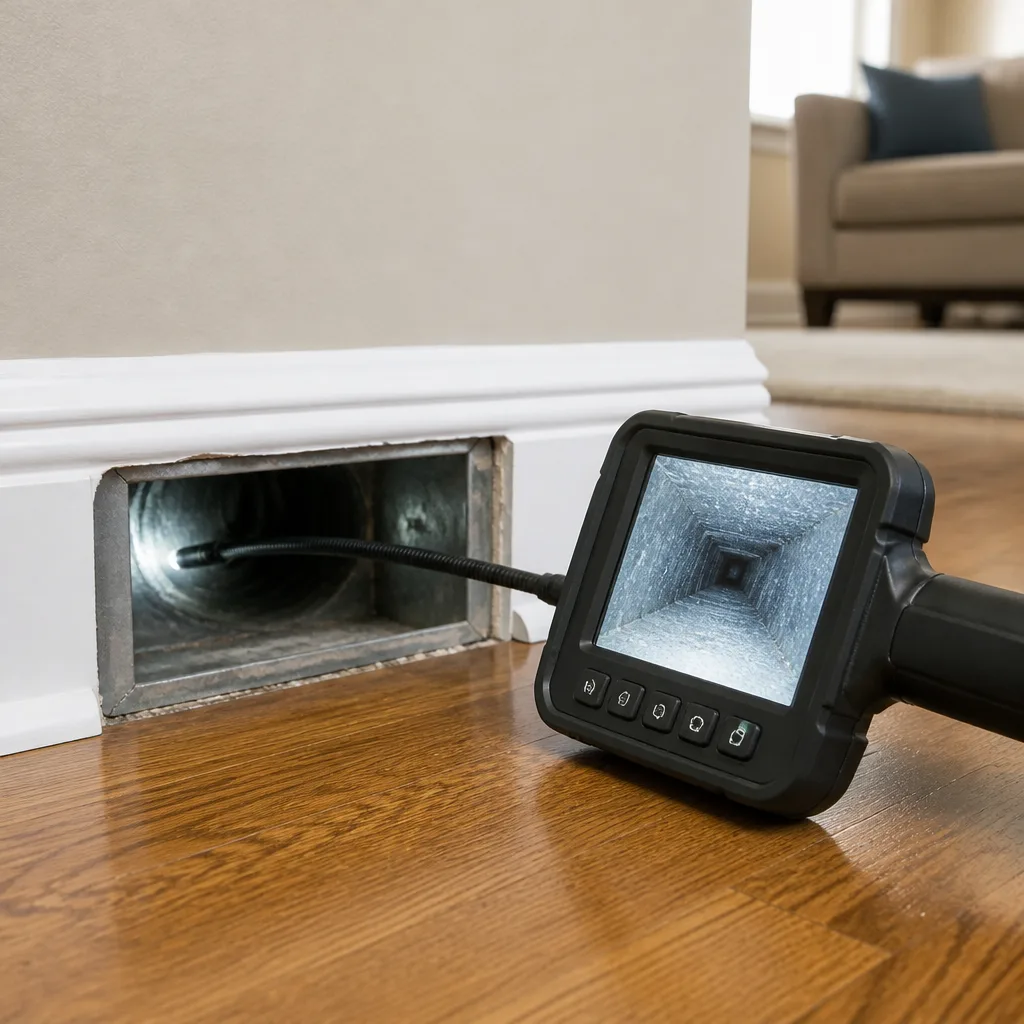 Camera inspection
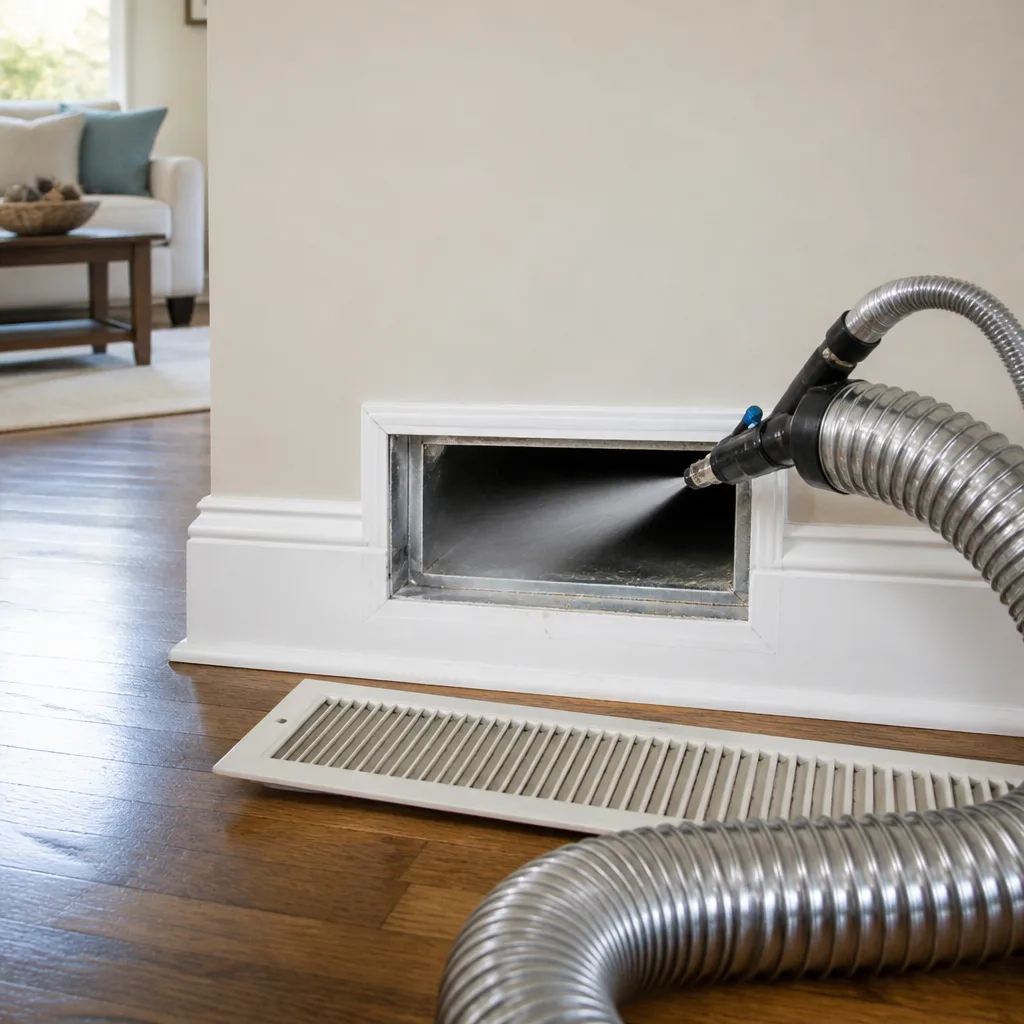 Sanitizing & deodorizing
Whole-system duct and dryer vent check with before-and-after photos - you see exactly what came out of your vents
That "$99 whole-house special" is a bait ad - the real number appears once they are in your hallway, or the "clean" is a shop-vac at the register. We photograph the inside of your ducts before and after instead.
Air Duct Cleaning Warning Signs: A SouthPark Homeowner’s Reference Guide
Most “warning sign” lists give you symptoms so broad they’d apply to any house on any block. Dusty vent? Dirty ducts. Musty smell? Dirty ducts. It’s a tidy answer that sells a cleaning and explains nothing. Here’s the problem with it: visible dust on a supply register can mean three completely different things depending on where the dust comes from, what it looks like, and when it appeared. One is normal housekeeping. One is a cleaning job. One is a loose joint that will keep dumping debris into your rooms no matter how many times you clean. In this guide, we categorize the signs the way we actually read them on a job in SouthPark – what each one tells you about what’s happening inside the system, and whether the honest response is to monitor, clean, or repair.
Quick Answer
Warning signs that call for action fall into three buckets. Monitor: light, even dust film on registers that returns slowly over months. Clean: odors that appear only when the fan runs, visible debris piles at the supply grilles, or a used filter that comes out gray-black after a normal interval. Repair: dust streaking from a specific vent, biological growth or water stains inside accessible duct runs, or contamination that entered during a renovation. The sign itself matters less than which bucket it belongs to.
Styles & brands we work with
- Whole-home duct cleaning
- Dryer vent cleaning
- Camera inspection
- Sanitizing & deodorizing
Table of Contents
- The Three Buckets: Monitor, Clean, or Repair
- Dust on Registers vs. Debris From Ducts
- Musty Odors at Supply Vents: What They Actually Mean
- What Physical Signs Look Like in Flex Duct vs. Sheet Metal
- Post-Renovation Signs That Construction Dust Got In
- Your HVAC Filter as a Diagnostic Tool
- Why SouthPark Homes Show These Signs Faster
- When the Answer Is Repair and Sealing, Not Cleaning
The Three Buckets: Monitor, Clean, or Repair
Every sign below lands in one of three buckets, and the bucket is what determines your next move. Sorting signs this way keeps you from paying for a cleaning that won’t solve the problem, and from sitting on a repair that’s quietly getting worse behind drywall.
Monitor. The sign is mild, appears slowly, and is consistent across the whole house. A thin dust film on registers that builds back over a season or two is a filter cadence problem or just life in a house with a dog and open windows. Change the filter on schedule and check again.
Clean. The sign is localized, repeatable, and won’t respond to filter changes. Dead skin and debris visible at the grille within weeks of a fresh filter, an odor that returns whenever the fan runs, or a filter that loads up in half its normal interval. These point to material already sitting in the duct runs, and full-system cleaning is the response.
Repair. The sign is directional or structural. Dust streaking from one vent but not others, a rust stain under a flex run, contamination that clearly entered during a specific event like a renovation. Cleaning without repairing these is a temporary fix – the source of the debris is still open, and air duct cleaning will need to be paired with sealing to hold the result.
One note before the list. Visible dust on a supply register is a data point, not a diagnosis. Treat it like a check-engine light: it tells you to look, not what to replace.
Dust on Registers vs. Debris From Ducts
Here’s the distinction most articles skip. Dust that lands on the face of a supply register from the room is normal – gravity, foot traffic, cooking, pets, and open windows all deposit on every surface in the house. Dust that’s actually being discharged from inside the duct run looks different, arrives differently, and reappears faster. You can tell them apart by what it looks like and when it shows up.
Normal room dust:
- Sits on the register face and surrounding wall evenly, matching the dust film on nearby furniture
- Wipes off clean and builds back over months, not days
- Shows up in every room roughly equally
- Doesn’t show a pattern around the register frame – no streaks or directional lines
Debris being discharged from ducts:
- Shows as loose particles on the grille slats or streaks radiating out from the frame
- Reappears within days to a couple of weeks of cleaning the register
- Is heavier at one or a few vents, not the whole house
- Downstream furniture, shelves, and sills under those vents get dusty faster than the rest of the room
- Occasionally you can see particles clinging to the grille from the inside when you hold a flashlight at a sharp angle
If it’s the second list, the duct run serving that vent is the problem. The next question is whether it’s loaded with debris (a cleaning) or leaking at a joint (a repair). If a single vent is the culprit, look at the run feeding it and don’t chase the rest of the house.
Musty Odors at Supply Vents: What They Actually Mean
Odors are the most misread sign in the whole system, because “musty smell” gets treated as one thing when it’s actually at least two very different things. The distinguishing test is simple: does the smell appear only when the blower is running, or is it present with the system off? That answer changes the diagnosis entirely.
Odor present only while the fan is running. The smell is being moved through the ducts. Contamination – dust, biological growth, or debris – is sitting inside the duct runs or at the air handler and is being pushed into rooms every time the system calls for air. Cleaning the duct system is usually the answer, often with sanitizing on the air-handler components that a standard cleaning doesn’t touch. A quick equipment note: professional duct cleaning systems like Rotobrush and Nikro, combined with the containment and filtration you get from Abatement Technologies equipment, exist because a normal shop-vac setup disturbs contamination without controlling where it goes. The dry-run of the blower tells you which route it went.
Odor present even with the fan off. That smell is standing, not being pushed. It’s coming from a source in the space itself – a damp basement, a crawlspace, a return grille near a bathroom or laundry, or a wet spot somewhere in the return path. Cleaning the supply ducts may make the odor worse by pulling fresh air over the source. Locating the source comes first.
Odor that’s sharp and short-lived at system startup. Often a coil or heat-exchanger condition that a technician should look at during a service visit. Not a duct-clean situation.
If the smell is intermittent but tied to one part of the house, pay attention to which room it comes from. It narrows the run you’re looking at.
What Physical Signs Look Like in Flex Duct vs. Sheet Metal
When duct runs are accessible – a basement, attic, crawlspace, or mechanical closet – you can read the physical condition of the ductwork directly. What you see depends heavily on the material. Flex duct and sheet metal age and fail differently, and the signs of a real problem are not the same.
Flex duct (the foil-looking spiral tube):
- Discoloration is the first sign. Grey-black mottling on the inner liner, visible near the plenum or where a run dips, indicates trapped moisture and growth.
- Pinched, crushed, or sagging sections are common where installers ran flex through tight chases. Pinches trap debris and cut airflow.
- Liner separation from the outer sleeve, or rips in the foil jacket, let contamination in and conditioned air out.
- Water staining or rust at low points in the run is a moisture source. Cleaning cannot fix it; the run needs to be dried, sealed, or replaced.
Sheet metal duct:
- Loose seams and joint tape that’s failing let unfiltered air into the return side of the system, pulling attic or crawlspace air with it. Look for tape lifting at seams.
- Rust along seams or joints – often dark orange-brown – signals moisture intrusion at some point, even if it’s dry now.
- Visible debris such as dry construction dust, insulation fibers, or rodent material in the trough of a horizontal run.
- Sharp edges on interior joints where tape or mastic was applied sloppily – these catch debris.
Sheet metal and flex both benefit from equipment that reaches the whole interior of the run, not just what you can see from the register. In our work we rely on contractor-grade duct cleaning systems and positive-pressure containment because a true full-system clean needs both reach and control.
Post-Renovation Signs That Construction Dust Got In
Renovations are the single most common cause of duct contamination we see in SouthPark, and it’s often not the homeowner’s fault – vents get taped, but the system still runs, and small amounts of the finest dust slip past tape edges, through return grilles that weren’t covered, and along the register returns in adjacent rooms. Here’s how to tell whether construction dust actually entered the duct system versus just settled on your furniture.
- Compare filter intervals. If the filter goes from clean to fully loaded in less time than it did before the renovation, debris is moving through the system. Construction dust is fine enough to pack a filter tightly.
- Look at the return grille first. Returns pull air in without a filter on them in many setups, so they collect construction dust first. A grey, uniform film on the return grille is a strong sign material entered the return path.
- Check the supply registers in rooms adjacent to the work. Drywall dust is often found in the closest supply registers even when the room itself was taped off, because the system pulls air through the space.
- Run the system and watch the dust pattern. If dust collects faster on furniture and shelves in specific rooms – especially rooms near the renovation – the supply or return runs serving those rooms are the source.
- Ask what was covered. Drywall dust, joint compound, sawdust, and insulation fibers are all real contamination in a duct system and won’t settle out on their own. If the work was dusty and the system ran during it, a full-system clean is reasonable even before you see signs.
- Watch for odors that appeared after the work. A renovation smell that persists weeks after the dust settles often means the odor is inside the ducts.
A proper post-renovation cleaning is different from a routine clean. It needs controlled vacuum capture and air filtration so the fine drywall dust doesn’t get redistributed into the house while you’re cleaning. That’s why we run Abatement Technologies filtration equipment on these jobs – the same standard used in professional remediation work.
Your HVAC Filter as a Diagnostic Tool
Your HVAC filter is the most underused diagnostic tool in the house. It filters the return air, so whatever the system is pulling in passes through it on the way to the equipment. What’s on the used filter, and how fast it got there, tells you where contamination is coming from – before you ever look at a duct.
How to read a used filter:
- Uniform light gray, loads slowly. Normal. The filter is doing its job. Note the interval so you can compare.
- Gray-black, dust-packed, clogs well inside normal interval. Debris is coming from inside the duct runs or the return path. Duct cleaning is likely the answer.
- White or light-colored coating of fine powder. Drywall dust or joint compound – the classic post-renovation signature. Cleaning that includes filtration and containment is the response.
- Visible fibers or insulation material stuck to the filter. Either the filter is failing or insulation has come loose in the duct or air handler. Have it looked at.
- Black or dark staining on one side of the filter than the other. Uneven loading across the filter suggests the return is pulling from one dominant source, or the filter isn’t seating properly in the return grille.
- Mold or a musty smell coming from the filter itself. Moisture is present in the return path. Cleaning alone may not fix this – the moisture source needs to be found.
Use the filter as an experiment. Install a fresh filter and note the date. Check it every two to three weeks. If it’s loading in half the expected interval, something is actively feeding debris into the return – and the correct response is a professional look at the system, not an upgrade to a higher-MERV filter, which will only clog faster and stress the blower.
Why SouthPark Homes Show These Signs Faster
SouthPark’s climate is a mild, humid one with real pollen seasons, and that combination makes duct systems work harder than they would in a dry climate. Summer humidity gives any moisture inside a duct run a chance to grow rather than dry out. Spring pollen coats exterior surfaces and gets pulled into return grilles by open-window days. And SouthPark’s older stock – many 1970s through 1990s homes with ductwork that was designed around a different era of HVAC equipment – often has flex duct runs that have spent decades in an attic collecting heat cycles.
Two specific local patterns come up often in SouthPark:
- Attic-run flex duct in older neighborhoods. Attic temperatures swing hard, and flex duct that sags or rests against roof decking sees more condensation cycles. Discoloration inside those runs is common even in homes that don’t have obvious odors.
- Renovation-heavy street turnover. With the amount of renovation and turnover in SouthPark, many homes have had at least one significant interior remodel in the last decade – and not all of them included proper register coverage during the work.
Homes with original HVAC and long return runs benefit most from a full-system HVAC cleaning rather than duct-only. Coils and the air handler oil the whole picture, and a duct-focused cleaning that misses the coil can leave the source behind.
When the Answer Is Repair and Sealing, Not Cleaning
Here’s the most common mistake in the whole category: assuming every contamination problem is a cleaning problem. It isn’t. Some signs point to a broken system that cleaning will briefly improve and then re-contaminate within a season. Cleaning without repair wastes money and confuses the result.
Signs that point to repair and sealing:
- Dust streaks from one specific vent. Debris is being discharged through a failing joint or loose boot. Cleaning the system fixes the load; sealing the joint stops the discharge.
- Rust or water staining in a run. The moisture source has to be found and the run dried, sealed, or replaced. Otherwise cleaning only resets the clock.
- Duct tape that’s dried out and lifting. Allowed to sit, the failing joint pulls attic or crawlspace air into the system, bringing dust, insulation fibers, and humidity with it. Sealing the joint is a durable fix.
- Crushed or disconnected flex duct in an attic or crawlspace. The run isn’t delivering air; it’s dumping it into unconditioned space and pulling in contamination. Repair or replacement comes before cleaning so the cleaning makes sense.
- Return-side leaks. These are often the worst offenders because return air isn’t filtered before it enters the return duct. A leaky return grabs air from wherever the duct runs, and that air may be very different from what’s in the rooms.
When we do a full-system job in SouthPark we routinely pair cleaning with repair and sealing because the two sides of the problem need the same answer. A duct system that’s clean but leaking re-contaminates. A duct system that’s tight but full of debris stays that way until it’s cleaned. The pairing is what makes the result hold. If you’ve had your ducts cleaned previously and the signs came back within a season, that’s a repair situation, not a “redo the cleaning” situation.
Common Mistakes to Avoid
- Treating every dusty register as a duct pollution problem. Some are. Most aren’t. Compare the dust pattern across the whole house before you decide. A single SouthPark vent with streaks is worth chasing; an even film on every vent is usually a filter cadence issue.
- Switching to a higher-MERV filter to compensate for dirty ducts. A heavier filter catches more, but it also strains the blower and loads faster. It won’t clean the system; it just makes the system work harder while you’re waiting.
- Assuming a renovation smell will fade on its own. Drywall dust and joint compound don’t settle out of duct runs. If the renovation was dusty and the system ran during it, a full-system clean is a fair conclusion even before the first odor.
- Cleaning without addressing a leak. Cleaning a duct system with a failed joint on the supply side just re-contaminates it within a season. Repair and sealing come first when you can see the failure.
- Reading one room’s dust pattern as a whole-house verdict. Contamination is usually localized to specific runs. If only the front bedroom’s return is dusty, chasing the entire system is more work than the problem warrants.
- Hiring on a low quote that ignores equipment and containment. Consumer-grade vacuums disturb material without capturing it. Contractor-grade systems like Rotobrush and Nikro, run with containment and filtration, are what keep the process controlled while the ducts are being cleaned.
- Chasing odor with air fresheners or plug-in scents. Any odor that reappears when the fan runs is coming through the ducts. Covering the smell doesn’t change what’s producing it.
See the difference
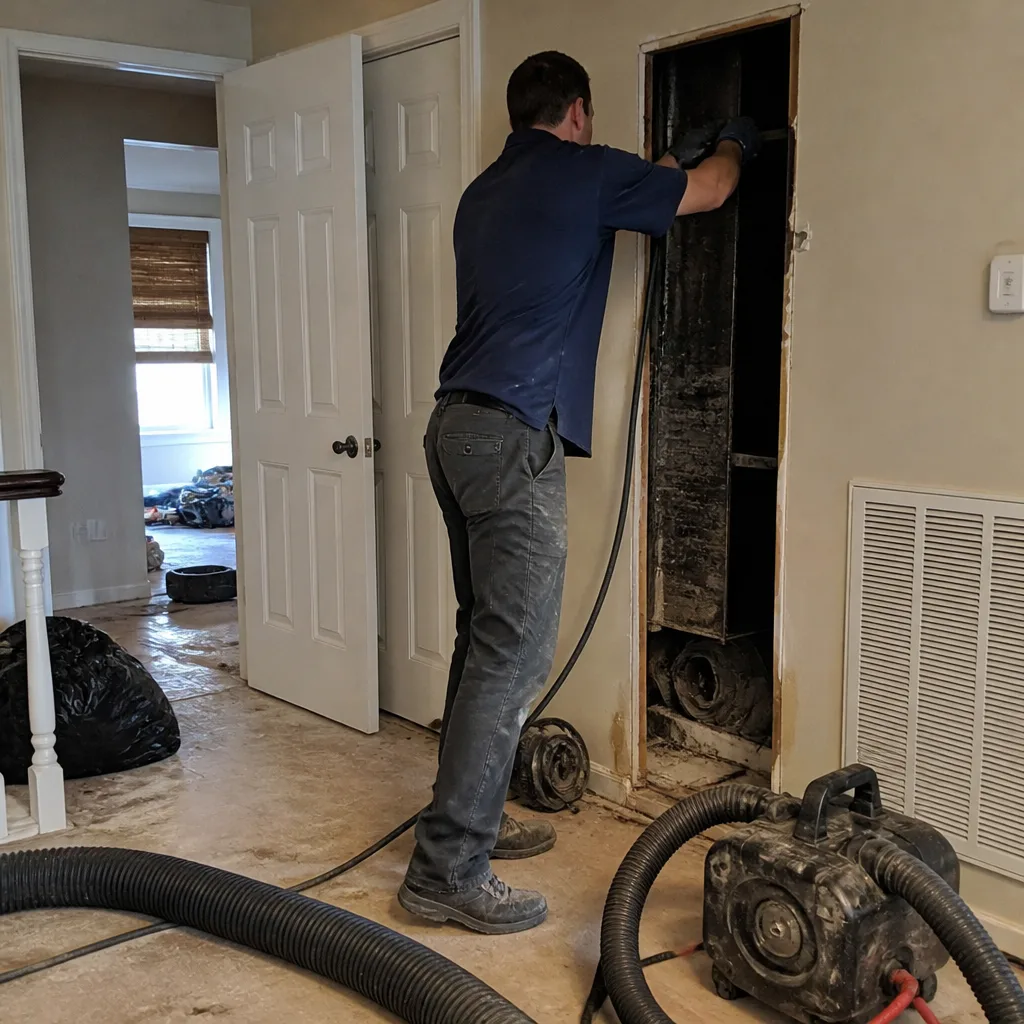 Before
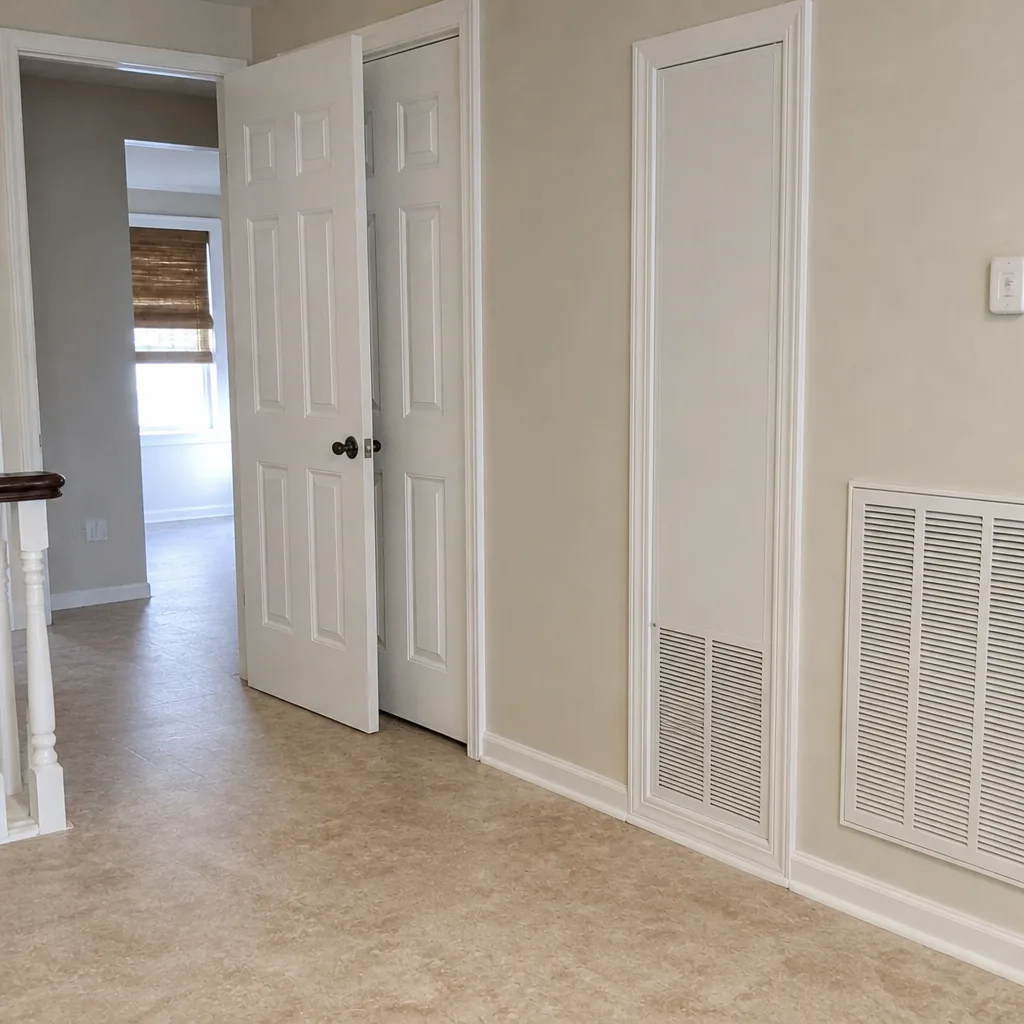 After
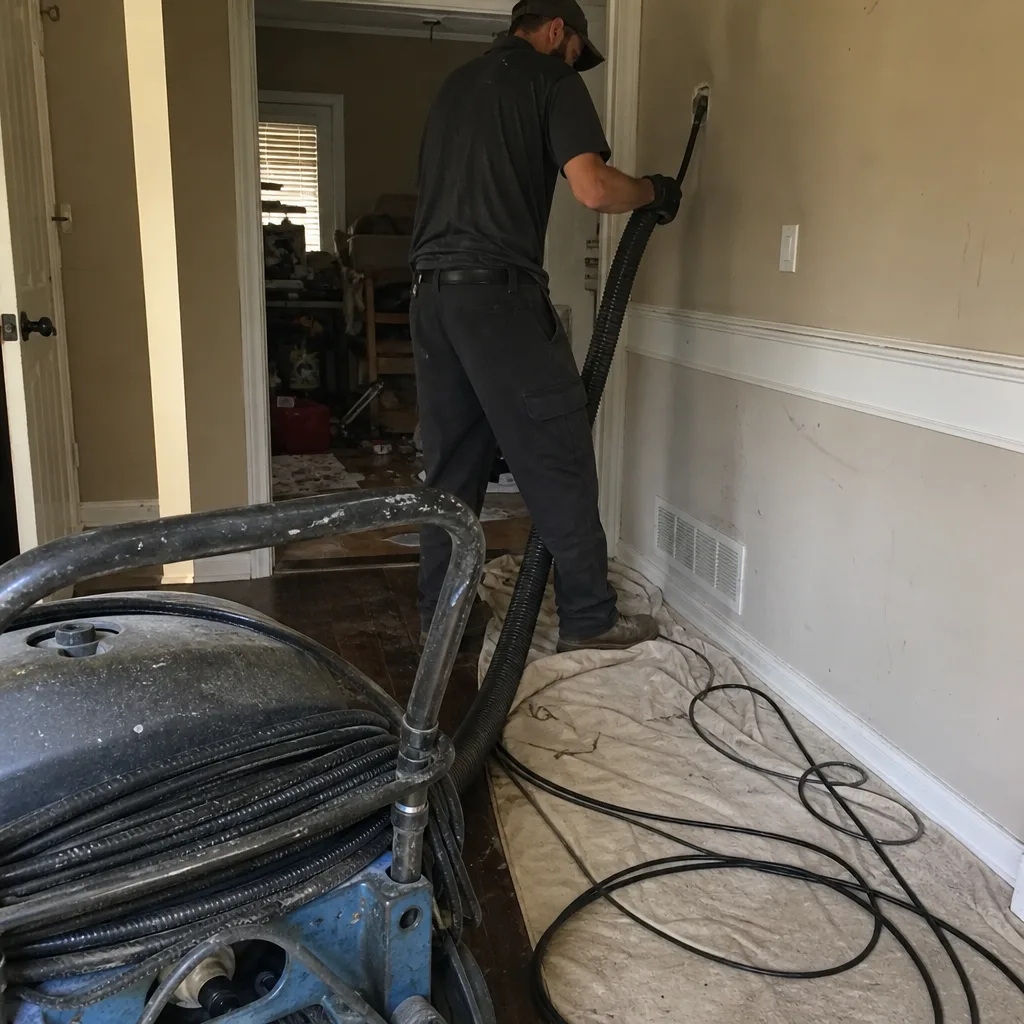 Before
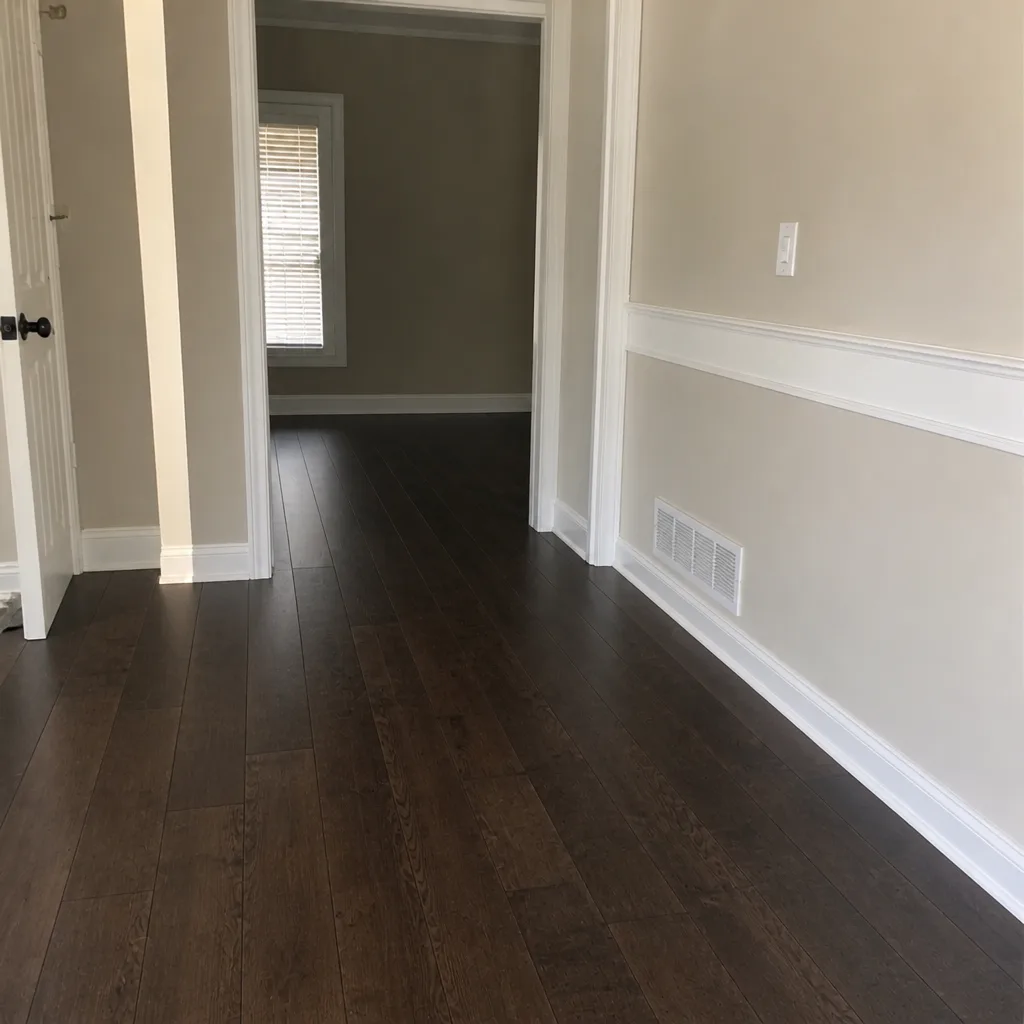 After
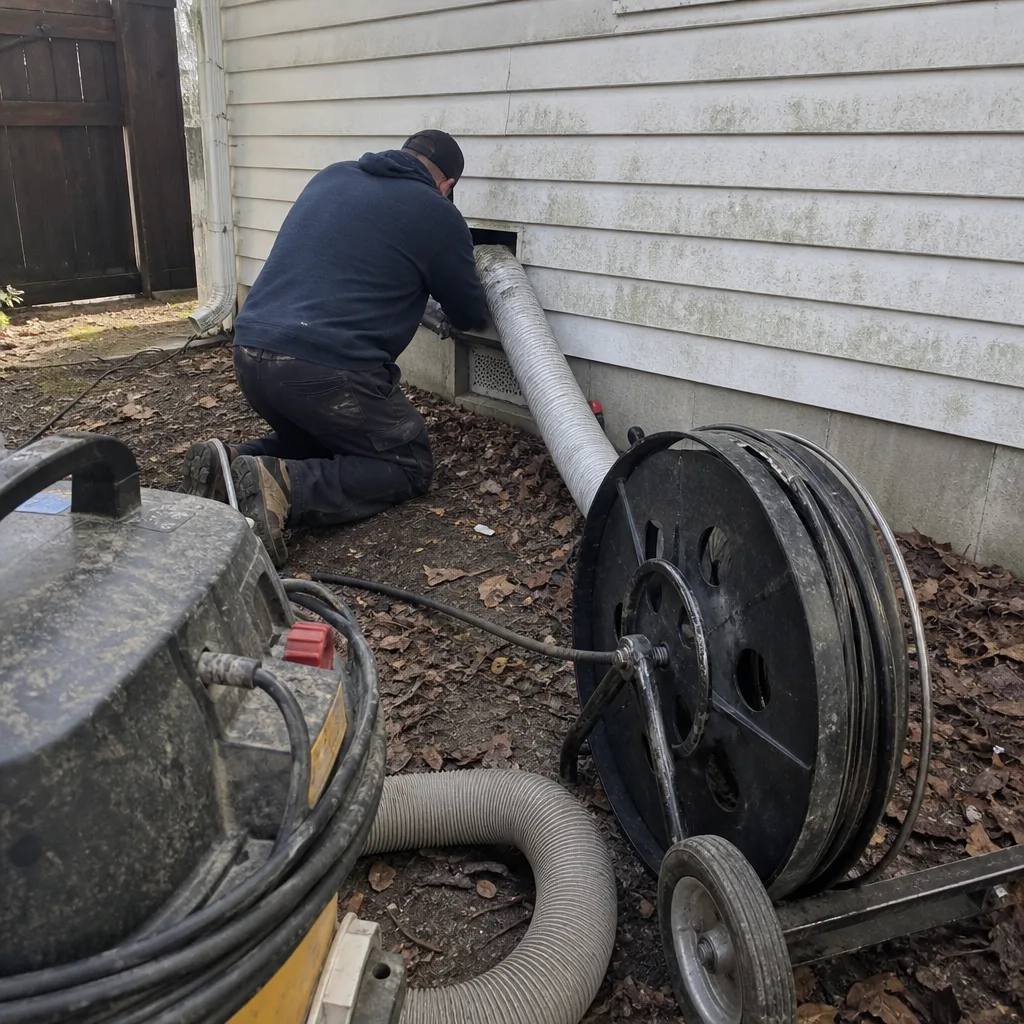 Before
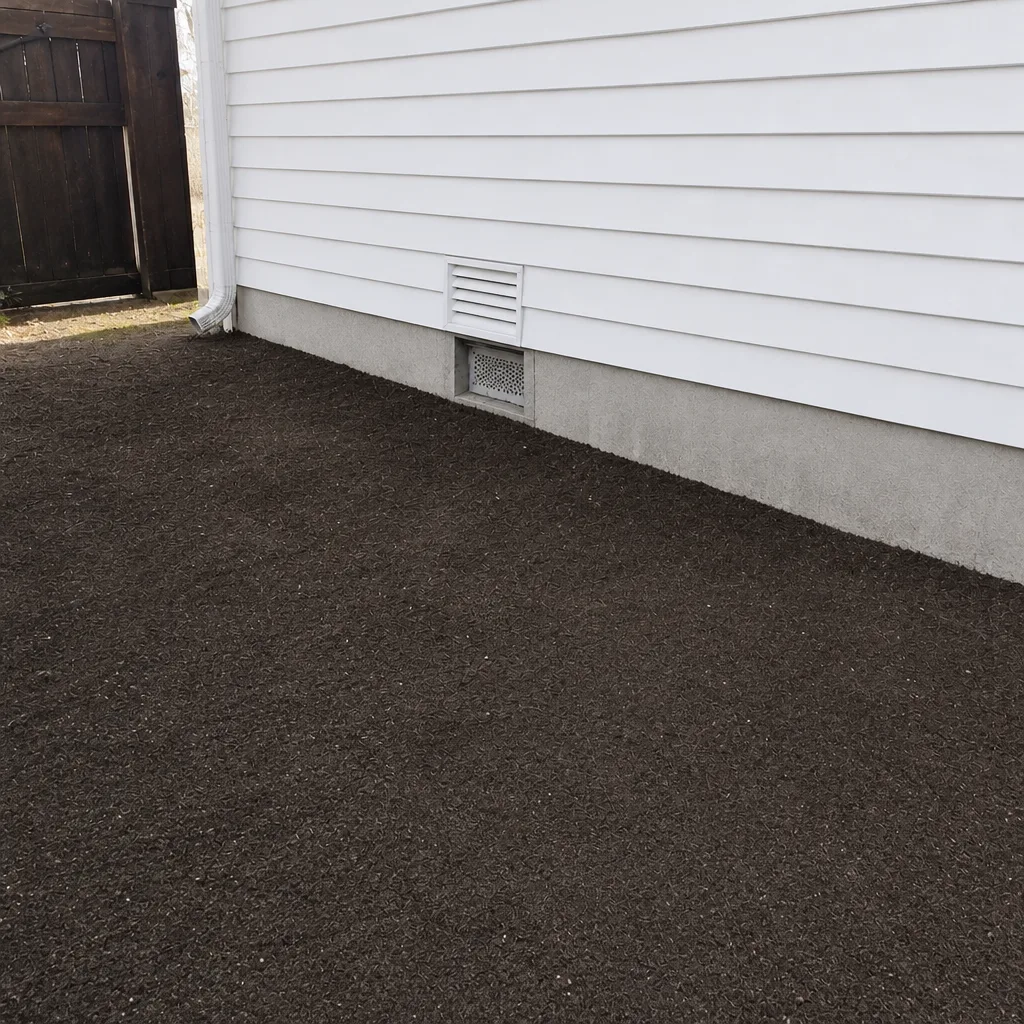 After
When to Call a Professional
Call a professional when a sign is repeatable and doesn’t respond to a filter change – dust that comes back to the same register within weeks, an odor tied to the fan, a filter that loads in half its usual interval, or visible contamination inside an accessible run. Also call if you can see rust, water staining, or separation in flex duct: those are repair items and cleaning on its own won’t hold. A second scenario is post-renovation: even if you don’t see signs yet, if the work was dusty and the system ran during it, a check before the dust settles into every run saves you a bigger job later. Air Duct Cleaning SouthPark offers free estimates in SouthPark – call (833) 468-3043. We answer 24/7. Fast dispatch from 7am to 7pm, Sunday through Friday.
Frequently Asked Questions
Most SouthPark homes land in a typical range of about $300 to $600 for a full-system duct clean, and $150 to $300 for dryer vent cleaning as a separate job. HVAC cleaning that includes the air handler and coil runs higher, and pairings of cleaning with duct repair and sealing are quoted as a combined job. The written estimate sets the final price per system, and the estimate itself is free.
Because they usually skip the containment and filtration step, which is the part that makes a professional clean different from a consumer vacuum. A low quote often means a small crew with shop-vac equipment, no controlled vacuum, and no before-and-after documentation. Ask what equipment they use, whether they capture dust or just disturb it, and whether they can show you photos of your own ducts before and after. Any company worth hiring answers all three. Call (833) 468-3043 for an exact quote on your system – estimates are free.
Ask for before-and-after photos of your own ducts, not stock images. A professional full-system clean should also show you the debris recovered during the service, and should follow up on any repair or sealing items that were found. If those things aren’t offered, that’s your answer. Call (833) 468-3043 for an exact quote on the job.
For most SouthPark homes, a full-system clean every three to five years is reasonable, with the interval shortened if you’ve had a major renovation, added pets, or notice repeat signs. Homes with heavy pollen or long return runs sometimes warrant a check sooner, and homes with no symptoms may need nothing. The filter diagnostic is the best single indicator: if your filter is loading at the normal interval and every room is even, you’ve got runway. Call (833) 468-3043 for an exact quote if you’re not sure.
Often yes, because that pattern means contamination is inside the system and being pushed into rooms on every fan cycle. It’s the more fixable pattern – a smell that’s there with the fan off usually means the source is in the space, not the ducts. Professional cleaning with sanitizing on the affected components is the usual response when the smell is fan-dependent. Call (833) 468-3043 for an exact quote.
Repair first, then cleaning. Streaking from one specific vent points to a joint or boot that’s failing at that location, so the discharged dust is coming from a leak, not just a loaded run. Cleaning a duct system with a leak on it re-contaminates within a season. We do both together because that’s the only way the fix holds. Call (833) 468-3043 for an exact quote on a combined cleaning and repair estimate.
The Bottom Line
The signs in this guide are only useful once you know which of the three buckets they belong to. Monitor when a sign is even, slow, and responds to filter changes. Clean when a sign is localized, repeatable, and tied to the system running – visible debris discharge, odors that follow the fan, filters loading early. Repair when the sign is structural – streaks from one vent, water staining, loose tape, disconnected flex – because cleaning without repairing the source just resets the clock. The filter experiment and the register comparison are the two diagnostics you can do yourself today, and they’ll tell you whether to hire. If the answer is hire, one specialist covering the full air-delivery system – cleaning, sanitizing, repair, sealing, and products from Honeywell and Aprilaire to keep the result in place – is what you want on the job. Our technicians have up to 10 years of experience reading exactly these signs in SouthPark homes.
Contact
If you’ve read this guide and one or two of the signs are pointing at your system, call (833) 468-3043 for a free estimate. We answer 24/7. Fast dispatch from 7am to 7pm, Sunday through Friday. Every job is quoted as one flat price per system, agreed before any work starts, with before-and-after photos of your own ducts so you can see what changed. Air Duct Cleaning SouthPark covers the full air-delivery system – dryer vent cleaning, HVAC cleaning, sanitizing, and duct repair and sealing – so you’re dealing with one specialist on every component.
Written by the team at Air Duct Cleaning SouthPark.